

Dark Red Tantalite Crystal in Greenish Blue Sapphire: A Striking World Hidden Inside a Gem
A sapphire can look beautifully simple from the outside: a blue or green bodycolour, a polished surface and the clean geometry of a finely cut gemstone.
Under magnification, however, that same stone can reveal an entirely different world.
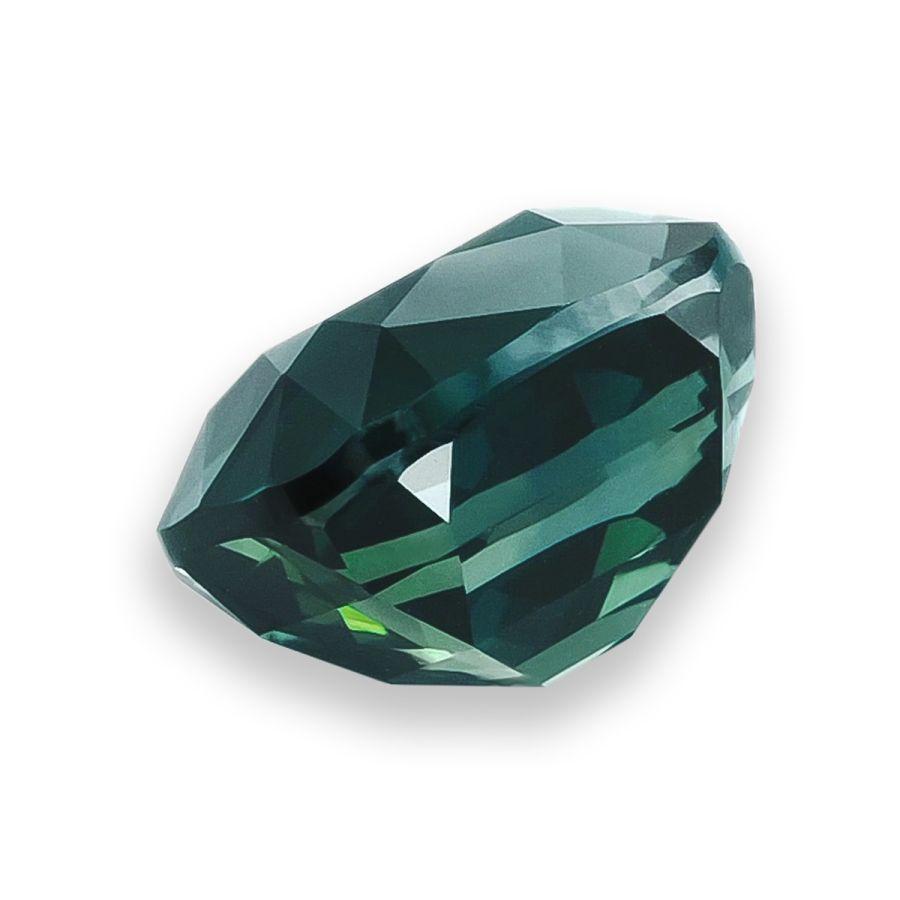
A recent examination at GIA New York uncovered a particularly striking example: a 1.80 ct greenish blue sapphire containing a dark red prismatic crystal of manganotantalite.
The inclusion was unusual not because tantalite is unknown in sapphires of this type, but because of its distinctive morphology and intense dark red colour. Against the cooler greenish blue host sapphire, the inclusion creates an extraordinary natural contrast—almost like a miniature mineral specimen suspended inside the gemstone.
The discovery offers a fascinating reminder that natural gemstone inclusions are more than imperfections. They can provide valuable information about a stone's mineral composition, geological environment and formation history.

A Red Crystal Inside a Greenish Blue Sapphire
The inclusion immediately attracted attention because it appeared as a dark red internal protuberance jutting inward from the pavilion surface of the sapphire.
The host stone itself weighed 1.80 carats and displayed a greenish blue bodycolour.
Inside it, the inclusion presented a completely different visual character: dark red, prismatic and sharply contrasting against the surrounding corundum.
This contrast is what makes the specimen particularly memorable.
Rather than disappearing into the bodycolour of the sapphire, the inclusion becomes an almost architectural feature within the stone.
Figure 2. Greenish blue sapphires can display a fascinating range of colour depending on their chemistry and geological origin. The contrast between a cool blue-green host and a red mineral inclusion makes the GIA specimen particularly distinctive. For a broader introduction to sapphire's colour, inclusions and quality factors, see GIA's Sapphire guide.
What Is Manganotantalite?
The red inclusion was identified using Raman spectroscopy as manganotantalite, with the chemical formula:
(Mn,Fe)(Ta₂O₆)
It is a manganese-enriched iron-tantalum oxide mineral.
The identification is significant because the mineral's composition helps explain its striking red bodycolour.
Manganese is particularly important here.
According to the GIA investigation, the attractive dark red colour of the inclusion is attributed to the presence of manganese. This creates a dramatic visual contrast with the greenish blue sapphire surrounding it.
The result is an unusual combination of colours created entirely by nature:
greenish blue corundum + dark red manganotantalite.
A Crystal With Its Own Distinctive Shape
The inclusion was not simply a tiny red particle trapped somewhere inside the sapphire.
Its morphology was also notable.
The manganotantalite displayed a prismatic form, with a blunt termination and etched pinacoidal surfaces.
These characteristics provide gemologists with additional information about the mineral.
Under magnification, mineral inclusions can sometimes reveal recognizable crystal habits and surface features. Such details can help specialists determine what mineral is present and, in some cases, provide clues about the environment in which the host gemstone formed.
This is one reason photomicrography is so important in gemological research.
A microscopic image can turn an apparently ordinary inclusion into a detailed geological record.
How Did GIA Identify the Inclusion?
The identification was not based simply on its red colour.
GIA used Raman spectroscopy, a non-destructive analytical technique capable of identifying minerals based on their characteristic vibrational signatures.
This allowed the researchers to distinguish the inclusion from other red minerals that might visually appear similar.
The analysis identified the material as manganotantalite, providing a scientific explanation for the unusual red crystal seen inside the sapphire.
The case demonstrates an important principle in coloured gemstone identification:
Colour can suggest an identity, but analytical testing provides the evidence.
What the Sapphire's Chemistry Revealed
The investigation did not stop with the inclusion.
Researchers also analysed the host sapphire using laser ablation–inductively coupled plasma–mass spectrometry (LA-ICP-MS).
The sapphire was found to contain iron at levels of up to 1900 parts per million atomic (ppma).
Iron is an important trace element in sapphire and can contribute to blue and greenish blue colouration.
GIA's broader sapphire research notes that sapphires can occur in a wide range of colours, with trace elements and other factors playing important roles in their appearance.
In this particular specimen, the chemistry of the host and the identity of the inclusion together provided a more complete picture than visual observation alone could offer.
A Strong Absorption Feature Around 840–880 nm
The researchers also examined the sapphire with a spectroscope.
A strong broad absorption band around 840–880 nm was observed.
Spectroscopic observations like this can help gemologists understand the optical properties of a gemstone and the elements responsible for its colour.
In this case, the spectroscopic observations were consistent with characteristics known from sapphires containing tantalite inclusions and associated with basaltic-related origins.
The finding connects the individual gemstone to a broader geological story.

What Does This Tell Us About the Sapphire's Origin?
Tantalite inclusions are known to occur in certain sapphires associated with basaltic environments.
The GIA authors referenced previous research on mineral inclusions in ruby and sapphire from the Bo Welu gem deposit in Chanthaburi, Thailand, where tantalite has been documented in sapphire hosts.
This does not mean that the individual sapphire examined by GIA necessarily came from Thailand.
Rather, the inclusion and trace-element characteristics are consistent with patterns observed in sapphires from basaltic-related geological settings.
That distinction is important.
A mineral inclusion can provide clues about geological conditions without automatically proving a gemstone's geographic origin.
Determining geographic origin generally requires a much broader combination of evidence.
Why the Inclusion Is More Than an “Imperfection”
Figure 3. Mineral inclusions can create a microscopic landscape inside coloured gemstones. In gemological research, their morphology and composition can provide clues about a stone's formation and geological environment. GIA's research collection includes numerous studies of distinctive sapphire inclusions. Explore GIA Sapphire Research
For many jewellery buyers, the word inclusion initially sounds negative.
In diamond grading, inclusions can affect clarity and therefore influence appearance and value.
But coloured gemstones are different.
Inclusions can sometimes be fascinating features that help demonstrate a stone's natural formation. Some are even highly desirable to collectors and researchers because they provide information that cannot be replicated easily.
A distinctive mineral inclusion can reveal:
-
What minerals were present during crystal growth
-
How the host gemstone interacted with its surrounding environment
-
Possible geological conditions during formation
-
Evidence supporting natural origin
-
Clues that may assist with geographic origin research
In this sapphire, the dark red manganotantalite is therefore not merely a flaw.
It is part of the stone's geological story.
The Beauty of Colour Contrast
There is also an aesthetic dimension to this discovery.
The sapphire itself is greenish blue.
The inclusion is dark red.
These colours sit almost opposite each other visually, creating a natural contrast that would be difficult to reproduce intentionally.
The result is reminiscent of a miniature landscape: a cool blue-green crystal surrounding a warm, dark red mineral formation.
This is one of the reasons photomicrographs of natural gemstones can be so captivating.
At normal viewing distance, the inclusion might be almost invisible.
Under magnification, it becomes the central feature.
That transformation—from an apparently simple gemstone to a complex microscopic world—is one of the most fascinating aspects of gemology.
How Sapphire Inclusions Help Gemologists
Sapphire is a particularly interesting gemstone for inclusion study because natural stones can contain a wide variety of internal features.
GIA notes that sapphires may contain inclusions such as rutile “silk,” while other specimens can contain mineral crystals, colour zoning and other growth-related features.
The exact combination of inclusions can vary considerably depending on the geological environment.
That means gemologists do not look at one inclusion in isolation.
Instead, they consider a combination of:
Host colour + inclusion identity + crystal morphology + trace elements + spectroscopy + geological context
The manganotantalite-bearing sapphire demonstrates this approach particularly well.
Natural Inclusions and Gemstone Collecting
For collectors of fine coloured gemstones, unusual inclusions can add another dimension to a stone's appeal.
A gemstone with an ordinary appearance may become far more interesting once its internal world is understood.
This is particularly true for stones that contain rare or visually striking mineral inclusions.
However, not every inclusion automatically increases value.
The effect depends on factors such as:
-
Whether the inclusion affects transparency
-
Its position within the stone
-
Its size and visibility
-
The rarity of the mineral
-
The overall beauty of the host gemstone
-
Whether the inclusion provides meaningful information about origin or formation
-
The quality and rarity of the gemstone itself
In the GIA specimen, the inclusion was noteworthy primarily because of its interesting morphology and attractive dark red colour, contrasting dramatically with the greenish blue sapphire.

A Closer Look at Coloured Gemstone Provenance
This case also connects to a larger question in the world of fine coloured gemstones: where did the stone come from?
For collectors, geographic origin can be an important part of a gemstone's story.
Our earlier Mangrove article, The World of Coloured Gemstones: Exploring Nature's Most Extraordinary Treasures, explores why origins such as Sri Lanka, Myanmar, Colombia, Mozambique, Madagascar and Zambia have become so important within the modern coloured gemstone market.
But origin determination is complex.
A single inclusion is rarely enough to establish geographic origin. Instead, gemological laboratories compare multiple characteristics, including internal features and trace-element chemistry, against extensive reference data.
That is why unusual inclusions such as manganotantalite can be scientifically valuable even when they do not independently establish a precise mine location.
Why Advanced Gemological Testing Matters
Figure 4. Advanced analytical techniques such as Raman spectroscopy and LA-ICP-MS allow gemologists to investigate mineral inclusions and trace-element chemistry beyond what can be observed with the naked eye. GIA's research demonstrates how multiple analytical methods can work together to characterize unusual gemstones. GIA Sapphire Research
The GIA examination demonstrates why modern coloured gemstone identification is increasingly scientific.
The researchers combined several observations and analytical techniques:
Microscopy revealed the unusual morphology.
Raman spectroscopy identified the inclusion as manganotantalite.
LA-ICP-MS measured trace-element chemistry in the sapphire.
Spectroscopy revealed the broad 840–880 nm absorption feature.
Each technique answered a different question.
Together, they created a much clearer understanding of the specimen.
This is particularly important for high-value coloured gemstones, where origin, treatment and natural characteristics can have a significant influence on rarity and market value.
What Should Buyers Look For in a Fine Sapphire?
For someone considering a sapphire for jewellery, the presence of an inclusion should not automatically be viewed as a negative.
Instead, consider the complete stone.
Colour
Sapphire's colour is one of its most important quality characteristics. GIA notes that preferred sapphires generally display strong to vivid saturation.
Clarity
Some inclusions are expected in natural sapphire. The key question is how they affect the stone's beauty and transparency.
Cut
A well-executed cut can help maximise the sapphire's colour and visual performance.
Origin
For exceptional stones, documented geographic origin can add another layer of interest and collectability.
Treatment
Heat treatment and other enhancements are common in the sapphire market, making disclosure and independent testing particularly important.
Character
Finally, consider what makes the individual gemstone distinctive.
A rare inclusion, unusual colour combination or remarkable internal scene can give a natural sapphire a personality that a perfectly clean-looking stone may not possess.
The Final Word: Nature's Hidden Signature
The 1.80 ct greenish blue sapphire examined by GIA is remarkable not because it contains an inclusion, but because of what that inclusion is.
Deep inside the sapphire sits a dark red prismatic crystal of manganotantalite, identified through Raman spectroscopy.
Its blunt termination and etched pinacoidal surfaces reveal a distinct mineral morphology.
Its manganese-rich composition explains its red colour.
Its contrast against the greenish blue sapphire transforms a microscopic geological feature into something visually extraordinary.
And the surrounding sapphire provides additional scientific information through its iron concentration and spectroscopic behaviour.
Together, these characteristics demonstrate why natural gemstones can be so much more than beautiful objects.
They are geological records.
Every inclusion, trace element and colour characteristic can represent part of the conditions under which the stone formed millions of years ago.
In the world of fine coloured gemstones, sometimes the most fascinating part of the jewel is the tiny world hidden inside it.
Discover the World of Natural Coloured Gemstones
For collectors and jewellery lovers, understanding a gemstone's colour, origin, inclusions and treatment can make the experience of choosing a jewel far more meaningful.
Explore Mangrove Diamonds' coloured gemstone and fine jewellery collection to discover pieces featuring sapphires, emeralds, rubies and other exceptional gemstones.
For a more personal experience, Mangrove's Custom Jewellery Service offers access to gemstone selection, bespoke design and guidance from a team with GIA-trained gemological expertise.
For further sapphire education, explore GIA's Sapphire guide and its extensive research into sapphire inclusions, treatments and geographic origins.
Read more
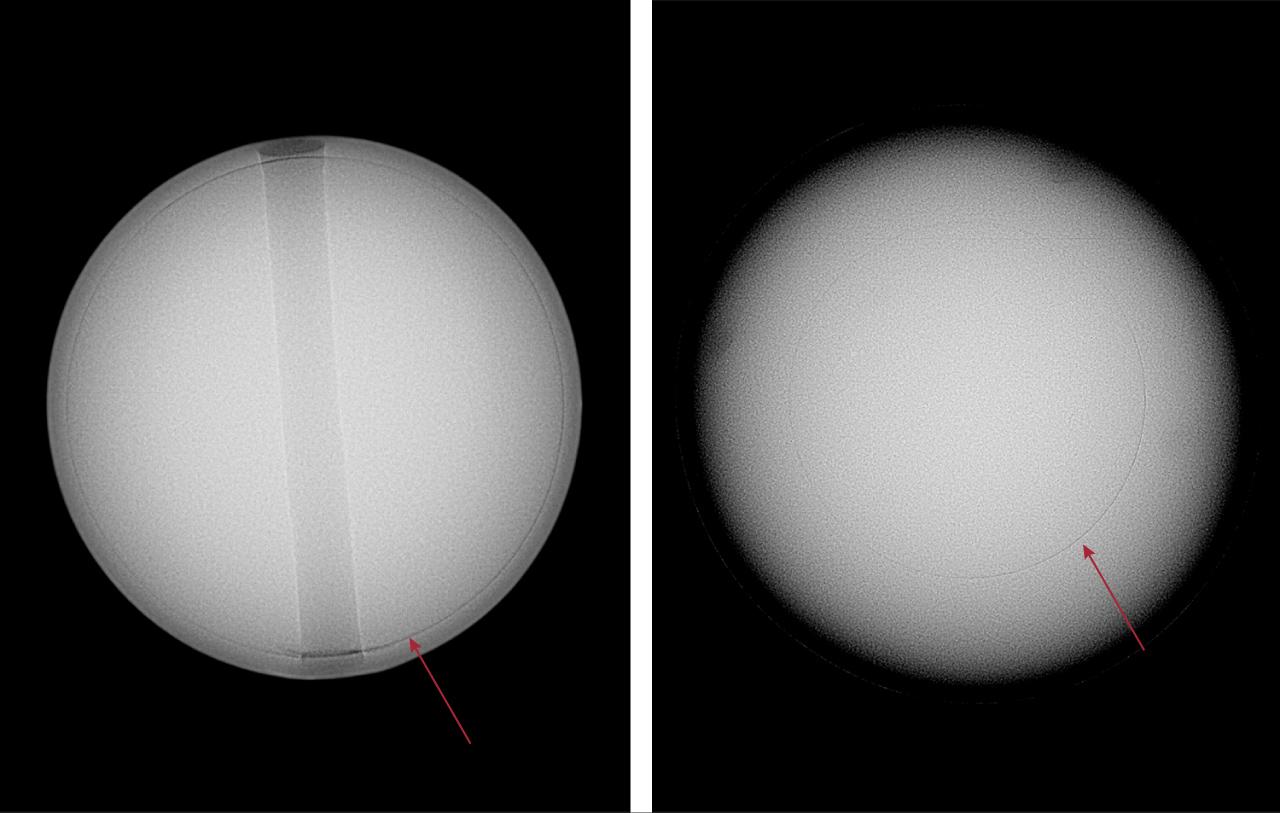
An Unconventional Bead-Cultured Saltwater Pearl
Pearls are often admired for what they reveal on the surface: their lustre, colour, shape and natural-looking texture. But for gemologists, some of the most important clues are hidden deep inside. ...
Read more
Lab-Grown Diamond Prices in Hong Kong (2026 Guide): How to Save Up to 50%
If you are shopping for a diamond in Hong Kong, one of the first questions is usually simple: how much should I actually pay? The answer can vary dramatically depending on whether you choose a natu...
Read more