

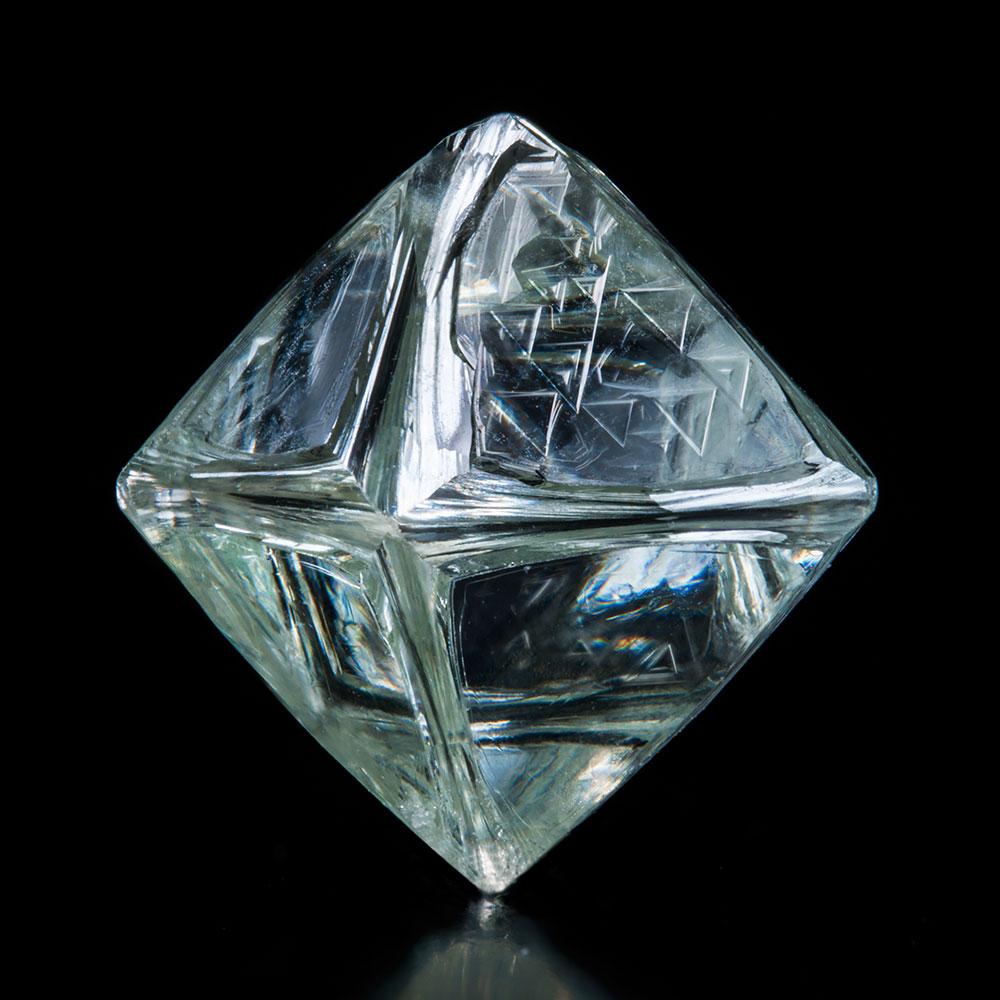
Why Is Diamond Called the "King of Gems"? The Science, Rarity, and Timeless Prestige Behind Nature's Greatest Treasure
From royal crowns and historic heirlooms to modern engagement rings, few gemstones have captured the world's imagination quite like the diamond. For centuries, diamonds have symbolized power, enduring love, and exceptional craftsmanship, earning their reputation as the undisputed "King of Gems."
But a diamond's prestige extends far beyond its beauty. It is the hardest natural material on Earth, one of the oldest substances we can own, and a remarkable geological record of our planet's history. Advances in gemological science have also revealed an extraordinary microscopic world hidden within every diamond—one that tells the story of its origin, rarity, and authenticity.
Whether you're purchasing your first engagement ring or expanding a fine jewellery collection, understanding what makes diamonds so exceptional helps you appreciate why they continue to define luxury across generations.

The Hardest Natural Material on Earth
Diamonds owe much of their legendary status to their extraordinary physical properties.
Ranking 10 on the Mohs Hardness Scale, diamonds are the hardest naturally occurring material known. Their exceptional durability allows them to resist scratching better than any other gemstone, making them ideal for jewellery designed to be worn every day and passed down through generations.
Beyond hardness, diamonds also offer:
-
Exceptional brilliance and fire
-
Outstanding thermal conductivity
-
High resistance to corrosion and chemical damage
-
Remarkable structural stability
These unique characteristics have made diamonds valuable not only in fine jewellery but also in advanced industrial, medical, and scientific applications.
A Geological Journey Billions of Years in the Making
Most natural diamonds formed 150–200 kilometres beneath the Earth's surface, where immense heat and pressure transformed carbon into crystal over billions of years.
Some of the world's rarest diamonds belong to an extraordinary category known as Superdeep Diamonds, originating from depths exceeding 600 kilometres within Earth's mantle.
Many natural diamonds are estimated to have formed as long as 3.5 billion years ago, making them among the oldest natural objects ever worn as jewellery.
Because of this remarkable origin, every natural diamond serves as a tiny geological archive, preserving clues about Earth's interior that scientists cannot access directly.
More Than Colourless: The Extraordinary World of Diamond Colour

Although colourless diamonds are the most familiar, nature produces diamonds in an extraordinary spectrum of colours.
Natural diamonds may appear in:
-
Pink
-
Blue
-
Yellow
-
Green
-
Brown
-
Orange
-
Grey
-
Violet
These colours are created by tiny atomic irregularities within the crystal lattice, known as optical centres, which influence how light interacts with the stone.
For gemologists, understanding these microscopic characteristics is essential for distinguishing natural fancy-coloured diamonds from treated or laboratory-grown alternatives.
Collector's Insight: Why Colour Can Be More Valuable Than Size
Among serious collectors, colour intensity often carries greater importance than carat weight.
Recent international auctions have repeatedly demonstrated this trend. At major Christie's Geneva sales, Fancy Vivid Blue diamonds have achieved prices remarkably close to much larger Fancy Blue diamonds because the highest colour grades are significantly rarer. Likewise, legendary stones such as The Ocean Dream—a rare Fancy Vivid Blue-Green diamond—have commanded extraordinary prices thanks to their exceptional colour rather than sheer size.
For collectors, rarity isn't measured only in carats—it's often defined by colour.
Discover our Fancy Colour Diamond Collection.
✨ Looking for an Exceptional Diamond?
Book a Private Consultation in Hong Kong
or
Speak with our diamond specialists on WhatsApp
Whether you're comparing natural and laboratory-grown diamonds or searching for a rare fancy colour diamond, our experts can help you choose a stone that reflects your style, budget, and long-term goals.
Natural and Laboratory-Grown Diamonds: Science Meets Innovation
Over the past two decades, laboratory-grown diamonds have transformed the jewellery industry.
Created using High Pressure High Temperature (HPHT) or Chemical Vapour Deposition (CVD) technology, laboratory-grown diamonds share the same chemical composition and crystal structure as natural diamonds.
Because they are visually identical, identifying their origin requires sophisticated laboratory analysis rather than visual inspection.
If you're considering both options, you may also enjoy our guide to Lab Grown vs. Natural Diamonds.
How GIA Confirms a Diamond's Identity

Modern gemology goes far beyond what the eye can see.
Leading laboratories such as GIA use advanced scientific instruments to study each diamond's microscopic characteristics and confirm its origin.
Some of the most important technologies include:
Photoluminescence (PL) Spectroscopy
Lasers detect microscopic optical centres inside a diamond, allowing gemologists to distinguish natural, laboratory-grown, and treated diamonds with remarkable precision.
Infrared (FTIR) Spectroscopy
Infrared analysis identifies trace elements such as nitrogen and boron, forming the foundation of the internationally recognised Diamond Type Classification System.
Deep UV Fluorescence Imaging
Specialised ultraviolet imaging reveals crystal growth structures invisible under normal lighting, providing valuable clues about how a diamond formed.
Photomicroscopy
High-magnification imaging captures inclusions and internal growth patterns that help gemologists determine a diamond's natural or laboratory-grown origin.
Together, these technologies provide the scientific confidence behind professional diamond grading and identification.
Diamond Fluorescence and Modern Identification
Fluorescence is another characteristic that helps gemologists better understand a diamond.
When exposed to ultraviolet light, some diamonds emit visible fluorescence.
Natural diamonds typically react more strongly under long-wave UV, while many HPHT- and CVD-grown diamonds display stronger reactions under short-wave UV. Certain HPHT diamonds may even continue glowing briefly after the UV source is removed—a phenomenon known as phosphorescence.
Although fluorescence alone cannot determine a diamond's origin, it forms an important part of professional gemological analysis.
The Technology Behind Diamond Authentication

As laboratory-grown diamonds become increasingly common, rapid identification tools have become essential throughout the jewellery industry.
One example is the GIA iD100®, a sophisticated screening instrument that analyses a diamond's luminescence response within seconds.
If a natural signature is detected, the diamond passes screening immediately.
If the response differs from known natural patterns, additional laboratory examination is recommended to determine whether the stone is laboratory-grown, treated, or another diamond simulant.
While these screening tools are invaluable, comprehensive grading and origin determination continue to rely on the expertise of professional gemologists supported by advanced laboratory instrumentation.
Why Diamonds Continue to Reign Supreme
Few natural treasures combine beauty, science, history, and rarity as completely as a diamond.
Each natural diamond represents billions of years of geological history, extraordinary physical durability, and unmatched brilliance. From microscopic crystal structures to record-breaking auction results, every diamond tells a story that extends far beyond its sparkle.
Whether admired as a symbol of lifelong commitment, collected as an exceptional natural treasure, or passed from one generation to the next, diamonds continue to earn their place as the true King of Gems.
Explore our Natural Diamond Collection
Read more
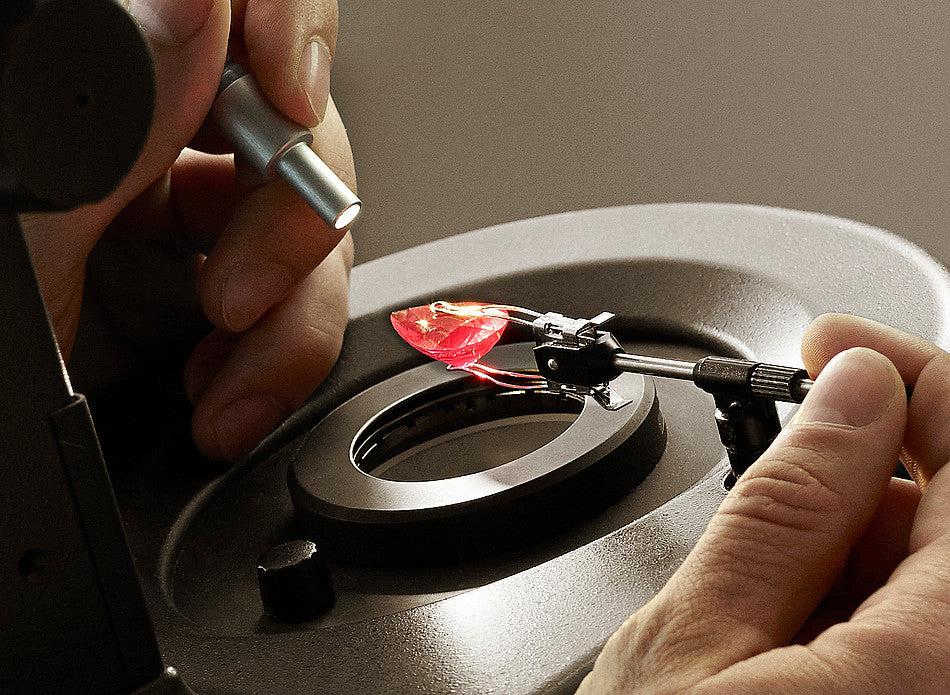
The World of Coloured Gemstones: Beyond Diamonds to Nature's Most Vibrant Treasures
While diamonds have long been celebrated for their brilliance and rarity, the world of fine jewellery extends far beyond a single gemstone. Throughout history, vibrant coloured gems have captivated...
Read more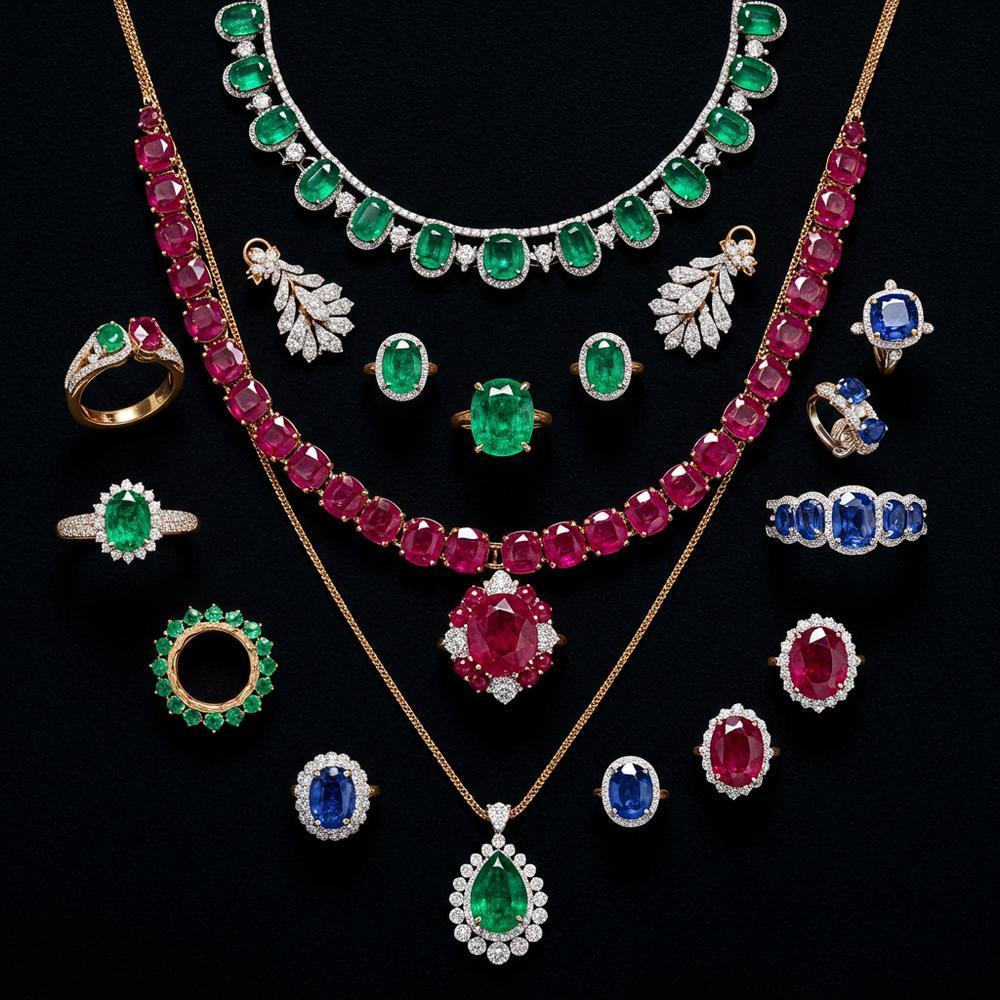
The World of Coloured Gemstones: Exploring Nature's Most Extraordinary Treasures
While diamonds have long symbolised timeless elegance, the world of fine jewellery is equally defined by colour. For centuries, vibrant gemstones have captivated royalty, collectors, and connoisseu...
Read more