

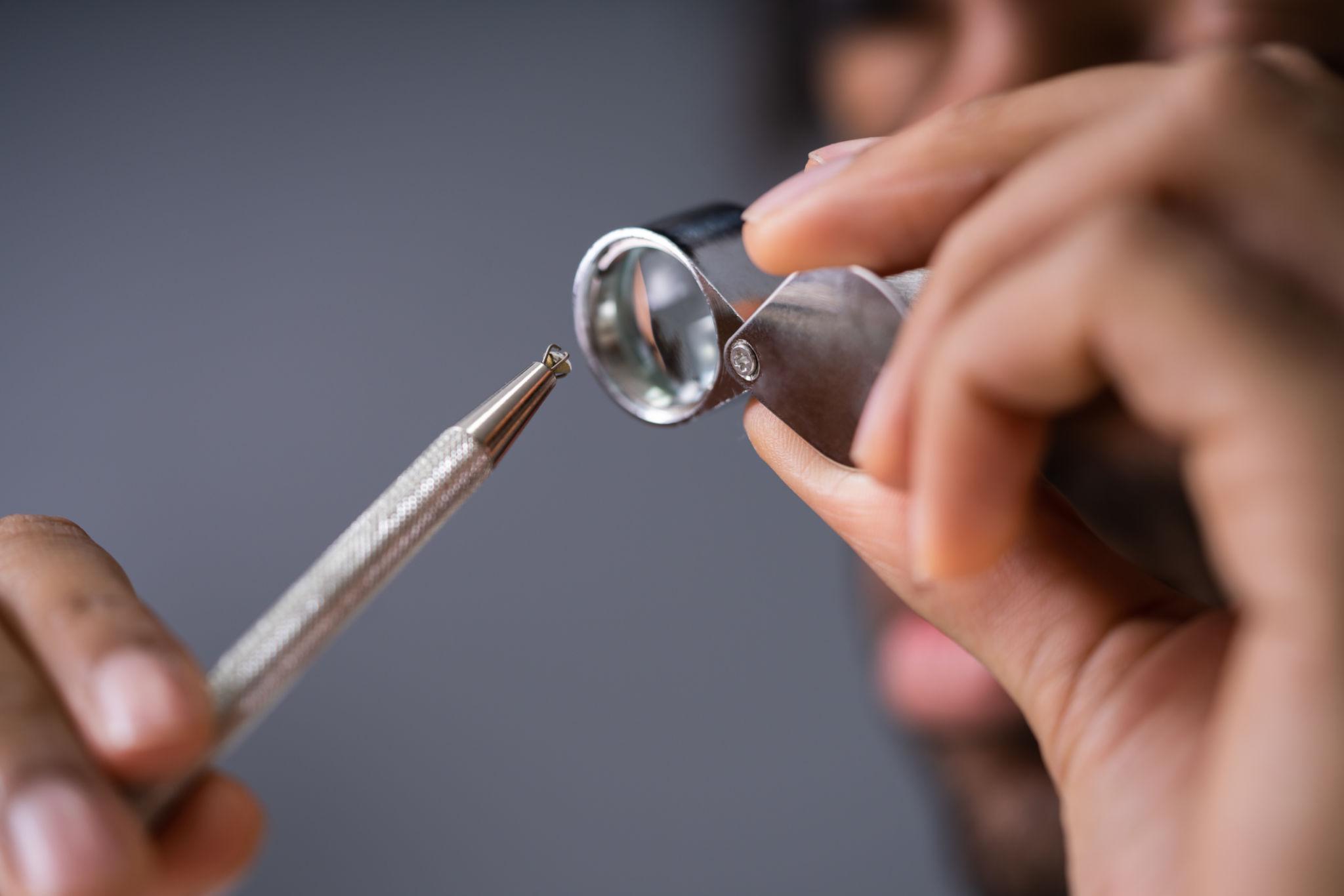
Understanding Diamond Quality: A Complete Guide to the 4Cs
Choosing a diamond is one of the most significant purchases many people will ever make.
Yet one of the biggest misconceptions is that all diamonds are the same.
In reality, every diamond is unique. Even two stones that appear identical at first glance can differ dramatically in value, rarity, and beauty.
The reason lies in a globally recognized grading system known as the 4Cs: Cut, Color, Clarity, and Carat Weight.
Originally developed by the Gemological Institute of America (GIA), the 4Cs provide a universal language that allows jewelers, gemologists, and consumers to evaluate diamonds consistently and accurately.
Understanding these factors is the key to making an informed purchase and finding a diamond that perfectly balances beauty, rarity, and value.
What Are the 4Cs of Diamond Quality?

The 4Cs represent the four primary characteristics used to evaluate a polished diamond:
-
Cut
-
Color
-
Clarity
-
Carat Weight
Rather than relying on a single factor, a diamond's overall quality is determined by how these characteristics work together.
For example, a larger diamond may appear impressive at first glance, but a smaller diamond with superior cut and clarity may ultimately display more brilliance and command a higher value.
To learn more about diamond grading standards, visit our Diamond Education Guide or explore the official GIA Diamond Grading Standards.
Diamond Color — Why Less Color Is Often More Valuable

When most people imagine a diamond, they picture a perfectly colorless stone.
In fact, truly colorless diamonds are exceptionally rare.
Most diamonds contain subtle traces of yellow or brown, often invisible to an untrained eye. However, even slight differences in color can significantly affect value.
Why Color Matters
The less color a diamond contains, the more effectively it allows light to pass through and return to the eye.
As a result:
-
Colorless diamonds appear brighter
-
They are rarer
-
They typically command higher prices
This rarity is why diamonds in the D–F color range are among the most sought-after in the world.
Understanding Fluorescence
One factor often overlooked is fluorescence.
Approximately one-third of gem-quality diamonds emit a visible glow when exposed to ultraviolet light.
In some cases, blue fluorescence can improve the appearance of lower-color diamonds by visually masking yellow tones.
However, extremely strong fluorescence may occasionally create a slightly hazy appearance, which can impact value.
Diamond Clarity — Nature's Unique Fingerprint

Few things in nature are completely flawless.
Diamonds are no exception.
During formation deep within the earth, diamonds develop tiny internal characteristics known as inclusions and external features known as blemishes.
Together, these determine a diamond's clarity grade.
What Are Inclusions?
Inclusions may include:
-
Tiny mineral crystals
-
Internal fractures
-
Growth patterns
-
Microscopic natural features
Rather than being defects, these characteristics serve as nature's fingerprint.
No two diamonds contain exactly the same inclusion pattern.
The GIA Clarity Scale
The GIA Clarity Scale includes 11 grades, ranging from:
-
Flawless (FL)
-
Internally Flawless (IF)
-
VVS1–VVS2
-
VS1–VS2
-
SI1–SI2
-
I1–I3
Flawless diamonds are extraordinarily rare.
Many professionals spend entire careers without encountering one.
Fortunately, diamonds in the VS and SI ranges often appear perfectly clean to the naked eye while offering exceptional value.
Cut — The Most Important Factor for Brilliance

Of all the 4Cs, cut is often considered the most important.
Why?
Because cut determines how a diamond interacts with light.
A diamond may have exceptional color and clarity, but if it is poorly cut, it will appear dull and lifeless.
How Cut Affects Beauty
When light enters a diamond, the angles and proportions of the stone determine whether that light is:
-
Reflected back through the top
-
Lost through the sides
-
Escapes through the bottom
A well-cut diamond maximizes:
-
Brightness
-
Fire
-
Scintillation (sparkle)
This is the quality that creates the dazzling appearance people associate with exceptional diamonds.
At Mangrove Diamonds, we prioritize cut quality because it often delivers the greatest visual impact.
Explore our collection of GIA Certified Diamonds to see how superior cut influences brilliance.
✨ Need Help Choosing the Right Diamond?
Whether you're comparing two stones or selecting an engagement ring for the first time, our specialists can guide you through the 4Cs and help you find the perfect balance between beauty and budget.
Book a Private Consultation in Hong Kong
or
Chat With Our Team on WhatsApp
Carat Weight — Understanding Size and Value

Carat weight is the most widely recognized of the 4Cs.
However, it is also one of the most misunderstood.
A carat measures weight, not visual size.
One metric carat equals:
-
0.2 grams
-
100 points
For example:
-
0.50 ct = 50 points
-
1.00 ct = 100 points
-
1.50 ct = 150 points
Why Carat Weight Impacts Price
Larger diamonds are significantly rarer than smaller diamonds.
As carat weight increases, prices do not rise linearly — they often increase exponentially.
This means:
-
A 2-carat diamond is not simply twice the price of a 1-carat diamond.
-
It may cost substantially more because larger rough diamonds are far less common.
Understanding this relationship can help buyers maximize value when selecting a stone.
How the 4Cs Work Together
The biggest mistake buyers make is focusing on a single characteristic.
A beautiful diamond is never defined by just one C.
Instead, it is the balance between all four.
For example:
-
Exceptional cut can make a smaller diamond appear more brilliant.
-
A slightly lower color grade can offer excellent value while remaining visually white.
-
Eye-clean clarity can look identical to much higher grades without the premium price.
The best diamond is not necessarily the highest grade in every category.
It is the diamond that delivers the right combination of beauty, rarity, and value for your priorities.
Choosing a Diamond With Confidence
Understanding the 4Cs transforms diamond shopping from guesswork into informed decision-making.
By evaluating Cut, Color, Clarity, and Carat Weight together, you can confidently select a diamond that reflects both your personal preferences and your investment.
At Mangrove Diamonds, every diamond is carefully selected for its beauty, craftsmanship, and long-term value.
Explore our collection of GIA Certified Diamonds or schedule a private consultation in Hong Kong to discover the diamond that tells your story.
Read more
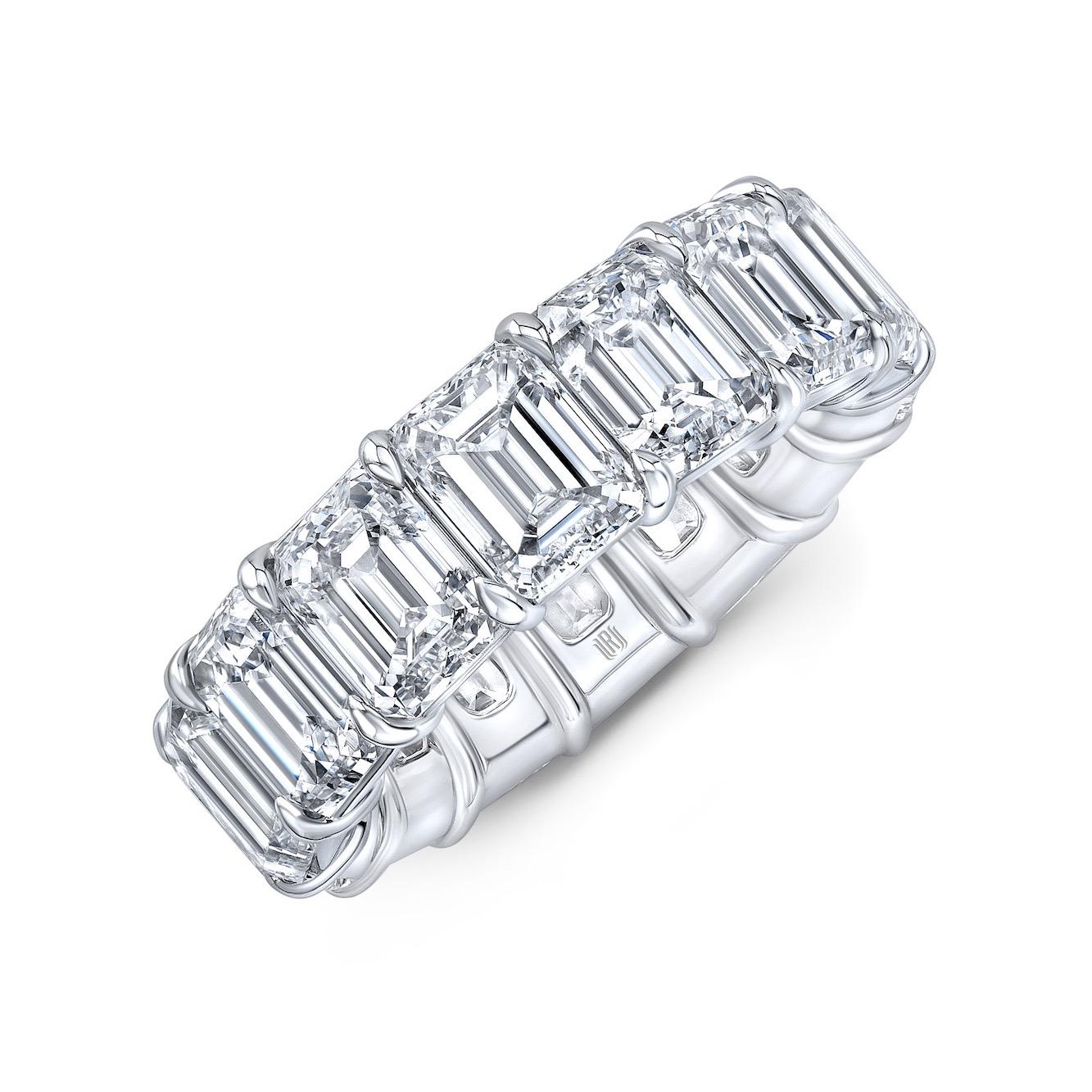
Wedding Ring Trends 2026 — The New Era of Modern Commitment
For decades, wedding bands were often viewed as the quieter counterpart to the engagement ring. In 2026, that distinction is rapidly disappearing. Today's wedding bands are no longer simply symbols...
Read more
Garnet Inclusions in Diamonds — What They Reveal About a Diamond’s Journey
Most people admire a diamond for its brilliance, fire, and beauty. Yet hidden within some diamonds are tiny mineral inclusions that tell a far more fascinating story — one that began deep within th...
Read more