

How to Tell If a Diamond Is Real: Expert Tips Every Buyer Should Know
Buying a diamond is a meaningful investment, whether you're celebrating an engagement, marking a milestone, or adding to your jewelry collection. Naturally, one of the first questions many buyers ask is: "How can I tell if a diamond is real?"
While no visual inspection can replace professional gemological testing, there are several characteristics that can help you recognize a genuine diamond. More importantly, understanding what to look for will help you shop with greater confidence and avoid common misconceptions.
Here's what every diamond buyer should know.
How Does a Real Diamond Look?

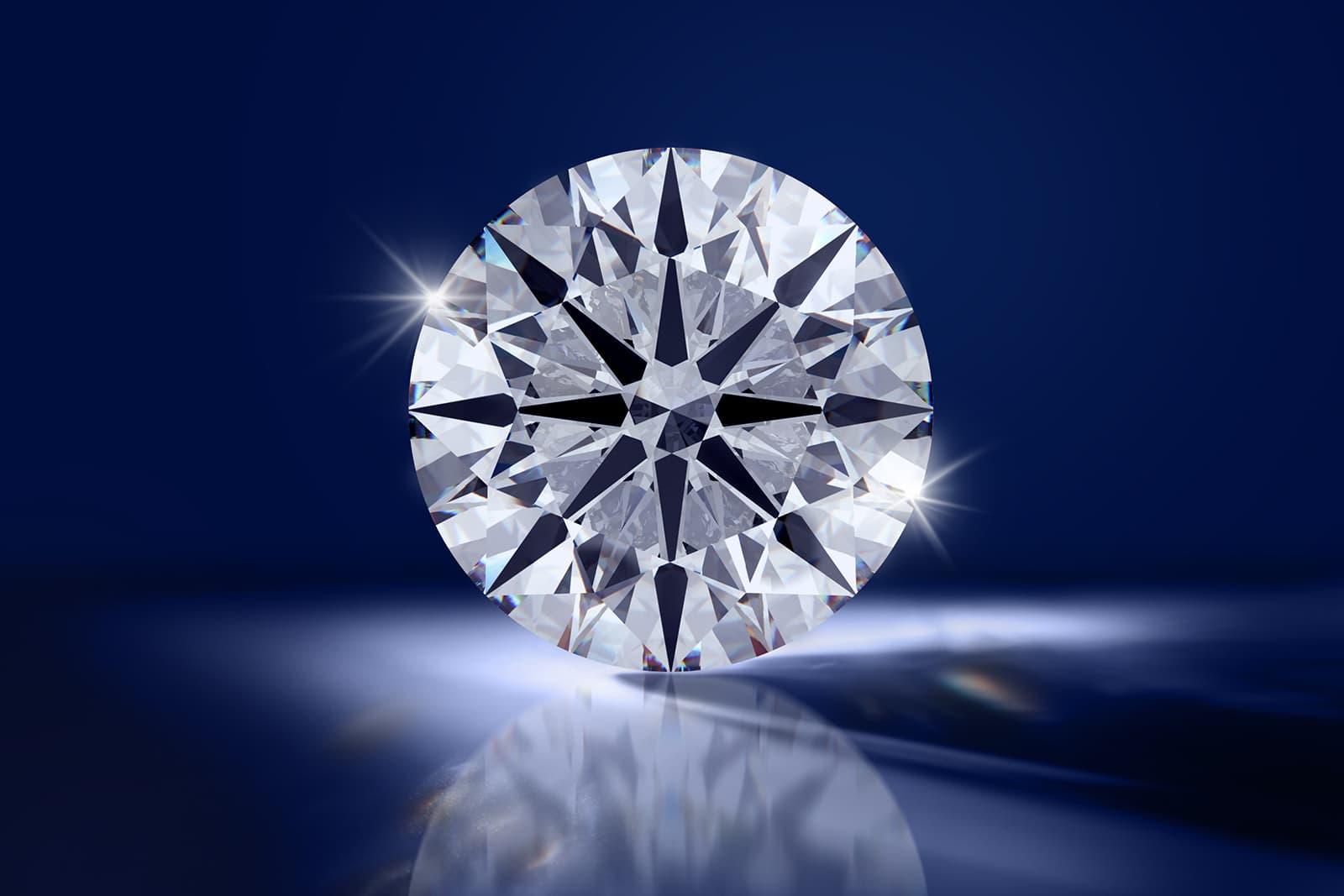
One of the easiest ways to recognize a natural diamond is by observing how it interacts with light.
A well-cut diamond produces a balanced combination of:
-
Bright white light reflections (brilliance)
-
Flashes of spectral colour (fire)
-
Sparkling movement as the diamond shifts (scintillation)
Unlike many diamond simulants, which often produce excessive rainbow colours or appear overly glassy, a genuine diamond displays a more balanced and lively sparkle.
Another indicator is the quality of the cut. Real diamonds typically feature crisp, symmetrical facet edges that allow light to travel efficiently through the stone.
When examined under magnification, many natural diamonds also contain tiny inclusions—internal characteristics formed during their natural growth. These features are not flaws; they are often evidence of a diamond's natural origin.
Learn more about diamond quality through our Diamond Education Centre.
What to Look for in Different Diamond Jewelry

The quality of the jewelry itself can provide valuable clues about the authenticity of the diamond.
Diamond Rings
High-quality diamonds are usually set in precious metals such as platinum or 18K gold. Look for hallmark stamps including 18K, 750, PT950, or Platinum, which indicate the quality of the setting.
Well-crafted prongs or bezel settings should securely hold the diamond while showcasing its brilliance.
Explore our Engagement Ring Collection featuring carefully selected GIA Certified Diamonds.
Diamond Earrings
Matching diamond earrings should display consistent brilliance, colour, and overall appearance.
Premium settings are precisely manufactured to ensure both stones perform similarly under light.
Diamond Bracelets
A high-quality tennis bracelet should feature diamonds with consistent cut, colour, and sparkle throughout the piece.
Uniformity is often a hallmark of exceptional craftsmanship.
Diamond Necklaces
Whether featuring a single solitaire or multiple accent diamonds, fine diamond necklaces should demonstrate consistent brilliance and be paired with secure, well-crafted precious metal settings.
✨ Shop With Confidence
Book a Private Consultation in Hong Kong
or Chat with our diamond specialists on WhatsApp
We'll help you understand diamond quality, certification, and craftsmanship before you make your decision.
Popular At-Home Diamond Tests — And Their Limitations

There are several home tests commonly recommended online. While some may provide helpful clues, none should be considered definitive.
Some of the most popular include:
The Fog Test
Breathe lightly onto the diamond.
Because diamonds disperse heat efficiently, condensation should disappear almost immediately. However, this test is not conclusive, as some simulants behave similarly.
The Water Test
Loose diamonds are denser than many imitation stones and generally sink in water.
Although simple, this test cannot distinguish between diamonds and several other dense gemstones.
The Flashlight or Sunlight Test
Observe how the diamond reflects light.
Natural diamonds produce balanced brilliance rather than overwhelming rainbow colours. However, lighting conditions and cut quality greatly influence the result.
The UV Light Test
Some natural diamonds fluoresce under ultraviolet light.
It's important to remember that not all diamonds fluoresce, so the absence of fluorescence does not indicate a fake diamond.
The Dot Test
Placing a loose stone over a small dot can demonstrate how diamonds bend light.
Because of their high refractive index, genuine diamonds scatter light strongly, making the dot difficult to see clearly.
These tests can offer initial observations but should never replace professional evaluation.
Professional Testing Provides the Most Reliable Answer

When certainty matters, professional testing remains the gold standard.
Experienced gemologists use specialized equipment to evaluate both authenticity and quality.
Common professional methods include:
10× Loupe Examination
A gemologist examines inclusions, polish, symmetry, and natural growth characteristics using industry-standard magnification.
Diamond Testers
Electronic testers measure thermal—and in some cases electrical—conductivity to distinguish diamonds from common simulants.
Precision Weight Analysis
Because different gemstones have different densities, comparing weight against known standards can help identify imitations.
Independent Diamond Certification
The most reliable confirmation comes from an independent grading laboratory.
A GIA Diamond Report provides detailed information about a diamond's authenticity, cut, colour, clarity, and carat weight.
When purchasing a significant diamond, certification offers confidence and transparency.
Explore our collection of GIA Certified Diamonds to shop with complete peace of mind.
Why Certification Is More Important Than At-Home Tests
Many online tests can help identify obvious imitations, but they cannot evaluate a diamond's quality, treatments, or overall value.
Only independent certification can confirm:
-
Natural or laboratory-grown origin
-
Cut quality
-
Colour grade
-
Clarity grade
-
Carat weight
-
Additional identifying characteristics
For engagement rings and investment-quality diamonds, certification should always be considered an essential part of the buying process.
At Mangrove Diamonds, every carefully selected diamond is chosen for its beauty, craftsmanship, and transparency.
Confidence Begins With Knowledge
Learning how to identify a real diamond is an excellent first step, but true confidence comes from understanding the complete story behind the stone.
From exceptional craftsmanship to independent certification, every detail contributes to a diamond's beauty and value.
At Mangrove Diamonds, we're committed to helping clients make informed decisions through education, transparency, and carefully curated GIA Certified Natural Diamonds
Whether you're choosing an engagement ring or investing in a timeless piece of fine jewelry, book a private consultation in Hong Kong or browse our diamond collection (link) to discover a diamond you can wear with confidence.
Read more
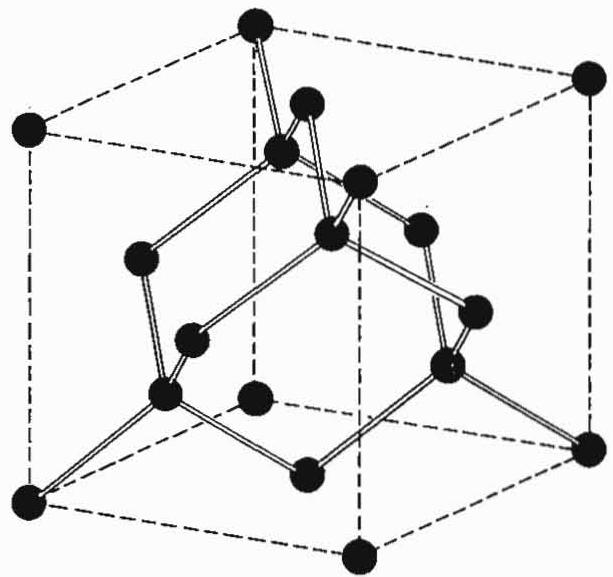
Can Strong Phosphorescence Mean a Diamond Is Lab-Grown? Not Always.
As diamond identification technology continues to evolve, gemologists are discovering that nature can sometimes surprise even the most experienced professionals. One fascinating example involves a ...
Read more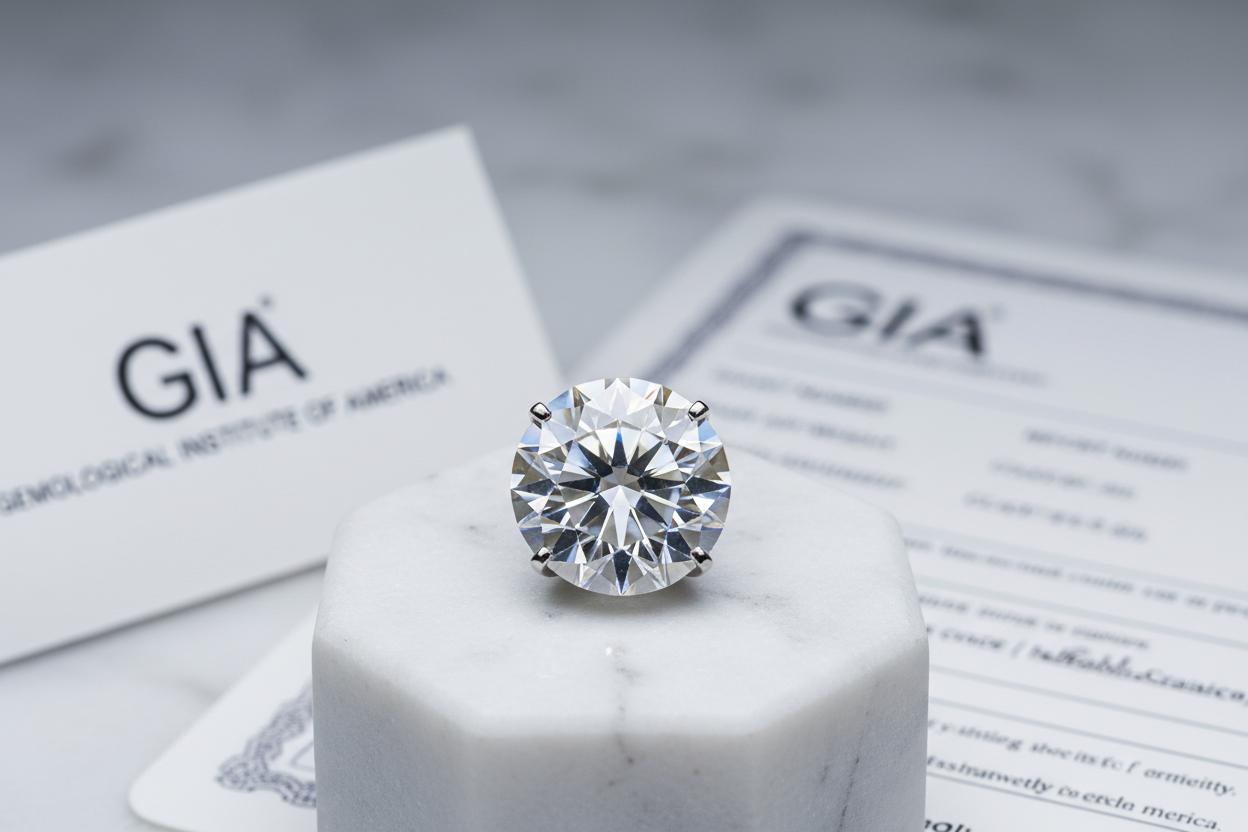
Lab Grown vs. Natural Diamonds: What's the Difference and Which One Is Right for You?
As lab grown diamonds continue to grow in popularity, many buyers find themselves asking the same question: Are lab grown diamonds real? The answer is yes—they are real diamonds. In fact, lab grown...
Read more