

Engagement Ring Guide: How to Design a Custom Lab-Grown Engagement Ring in Hong Kong
Designing an engagement ring should feel personal from the very beginning. Instead of choosing a finished ring from a display case, a bespoke engagement ring in Hong Kong allows you to start with the stone, shape the setting around it, select the metal, and refine the details until the finished piece feels uniquely yours.
For a lab-grown diamond engagement ring, the process can be especially flexible. You can choose a larger or higher-grade centre diamond, then direct more attention toward the proportions, setting and craftsmanship of the ring itself.
At Mangrove Diamonds, the journey can be thought of in four simple steps:
Choose your diamond → Select your metal → Create the design → Craft and fit the finished ring.

Step 1: Choose Your Ideal Lab-Grown Diamond Shape
The centre diamond is where the design begins.
While carat weight is important, shape determines much of the personality of the finished ring. Four of the most versatile choices for a custom engagement ring are Round, Oval, Radiant and Emerald.
Round: The Timeless Classic
The round brilliant remains one of the most recognisable engagement-ring shapes.
Its symmetrical outline and brilliant faceting create a classic look that works naturally with solitaire, halo and diamond-accented settings.
Choose a round diamond if you want a ring that feels:
-
Timeless
-
Elegant
-
Highly traditional
-
Easy to pair with different setting styles
Its symmetry also makes it particularly versatile when designing a custom setting.
Oval: Elegant With a Little More Personality
Oval diamonds combine brilliant-style sparkle with an elongated silhouette.
The shape can make the centre stone appear larger from the top while giving the ring a softer, more graceful appearance than a round diamond.
Oval diamonds work beautifully with:
-
Solitaire settings
-
Hidden halos
-
Diamond-set shoulders
-
Yellow or rose gold
-
Vintage-inspired designs
For someone who wants something classic but slightly less conventional, oval is often an excellent starting point.
Explore more:
Book a Private Consultation in Hong Kong
or
Chat with our diamond specialists on WhatsApp
Radiant: Bold and Brilliant
The radiant cut combines a rectangular or square outline with brilliant-style faceting.
This makes it particularly attractive for someone who wants the architectural appearance of a rectangular diamond without giving up the lively sparkle associated with brilliant faceting.
A radiant diamond can create a stronger, more contemporary engagement ring and works particularly well with clean, modern settings.
Emerald: Quiet Luxury
Emerald-cut diamonds take a completely different approach.
Their long, step-cut facets create broad flashes of light rather than the intense scintillation associated with brilliant cuts.
The result is understated and sophisticated.
An emerald-cut diamond can be particularly effective in a minimal solitaire setting, where the proportions and clarity of the stone become the centre of attention.
If your style leans toward quiet luxury rather than maximum sparkle, emerald may be the shape to consider.

One Diamond, Four Very Different Personalities
The most useful way to choose a shape is not simply to ask which one is most popular.
Ask what you want the finished ring to communicate.
Round feels timeless.
Oval feels elegant and feminine.
Radiant feels confident and contemporary.
Emerald feels refined and understated.
There is no universally correct choice. A custom ring gives you the freedom to build the design around the shape that feels most like you.
For readers still comparing diamond proportions and cut quality, our guide to CVD vs HPHT lab-grown diamonds is a useful companion before choosing your centre stone.
Step 2: Choose the Metal That Defines the Mood
Once you have selected the diamond, the next decision is the metal.
The same diamond can look completely different depending on whether it is set in white gold, yellow gold, rose gold or platinum.

14K Yellow Gold
14K yellow gold offers the warmth of traditional gold while providing a practical option for everyday jewellery.
It can create a beautiful contrast with a colorless lab-grown diamond, particularly when you want the centre stone to stand out against a warmer setting.
18K Yellow Gold
18K yellow gold contains a higher proportion of pure gold and has a richer, deeper appearance.
It is particularly effective for luxury and vintage-inspired engagement rings.
Pairing an oval or emerald-cut diamond with 18K yellow gold can create an especially sophisticated look.
14K White Gold
White gold provides a clean, contemporary appearance.
It allows a colorless diamond to blend seamlessly into the setting, making it a natural choice for modern solitaire and diamond-accented designs.
18K White Gold
18K white gold offers the same cool visual language with a more premium positioning.
It works particularly well when the design is intended to feel refined, sleek and luxurious.
Rose Gold
Rose gold introduces a softer, warmer character.
Its subtle pink tone can make an engagement ring feel romantic and distinctive without changing the centre diamond itself.
Rose gold can be particularly beautiful with oval and radiant shapes, where the contrast between the diamond's brilliance and the warm metal creates a more contemporary look.
Platinum
Platinum is the classic premium choice for a white-metal engagement ring.
Its naturally white appearance provides a neutral background for the diamond, while its substantial feel makes it particularly appealing for high-end bespoke designs.
For someone looking for a sophisticated ring designed to become an heirloom, platinum is a natural option to consider.

Step 3: Turn Your Idea Into a 3D CAD Design
This is where a bespoke engagement ring begins to become tangible.
Instead of relying entirely on sketches or imagination, modern jewellery design can use 3D CAD modelling to create a detailed digital representation of the ring.
The diamond is placed at the centre of the design.
The jeweller can then develop:
-
Band proportions
-
Prong placement
-
Stone height
-
Shoulder width
-
Side-diamond arrangements
-
Hidden details
-
Setting architecture
-
Overall ring dimensions
This stage is particularly valuable because small changes can dramatically affect how a ring feels on the hand.
A slightly lower setting can create a more understated profile.
A higher setting can create more presence and allow greater clearance around the centre stone.
A thicker band can feel substantial and contemporary, while a slimmer band can make the centre diamond appear more prominent.
The CAD process allows these decisions to be considered before the ring is physically produced.
Why the Setting Matters as Much as the Diamond
A beautiful centre diamond deserves a setting designed specifically around it.
The setting has several jobs.
First, it needs to hold the diamond securely.
Second, it needs to allow sufficient light to interact with the stone.
Third, it determines how the diamond visually sits on the finger.
And finally, it contributes significantly to the character of the jewellery.
A solitaire setting may allow the centre diamond to dominate.
A halo can increase the visual impact of the centre stone.
Diamond-set shoulders can add additional sparkle while creating a more elaborate silhouette.
A bezel setting can create a sleek, architectural appearance.
A bespoke design gives you the opportunity to balance aesthetics with practicality rather than adapting your diamond to a pre-existing setting.
Explore more:
Book a Private Consultation in Hong Kong
or
Chat with our diamond specialists on WhatsApp
Step 4: Expert Craftsmanship and the Final Fitting
Once the design is approved, the digital model becomes a physical piece of jewellery.
This is where experienced bench jewelers play an essential role.
The setting must be produced accurately enough to accommodate the specific centre diamond.
Prongs need to sit securely against the stone.
The band needs to have the appropriate dimensions and finish.
Side stones, if included, must be aligned carefully.
And the final polish should bring the entire piece together without compromising the design's proportions.
This stage is what separates a digital concept from a finished piece of jewellery.

The Private Fitting: Where the Design Becomes Yours
A ring can look perfect in a CAD model and still feel different when placed on the hand.
That is why the fitting stage matters.
Finger proportions, ring size, preferred profile and how the ring sits alongside other jewellery can all influence the final result.
A private fitting gives you an opportunity to consider questions such as:
Does the band feel substantial enough?
Is the centre stone sitting at the right height?
Does the shape complement your finger?
Will a wedding band sit comfortably beside it?
Does the metal colour feel right against your skin?
These details are difficult to judge from a product photograph alone.
They are part of what makes bespoke jewellery different from simply purchasing an off-the-shelf ring.
How Much Should You Spend on a Custom Lab-Grown Engagement Ring?
There is no single correct budget.
One advantage of choosing a lab-grown diamond is that the centre stone can often represent a smaller proportion of the overall budget than it would with a comparable natural diamond.
That can leave more room for the aspects that make a custom ring personal:
-
A premium metal
-
More substantial band construction
-
Side diamonds
-
A hidden halo
-
Custom engraving
-
More intricate setting work
-
Bespoke proportions
Rather than deciding on a finished ring first and accepting whichever diamond comes with it, you can reverse the process.
Start with your budget.
Choose the diamond.
Then design the ring around it.
This approach gives you much greater control over where your money goes.
Why Start With the Loose Diamond?
Starting with a loose diamond gives you more flexibility.
You can compare several stones with similar specifications and choose the one that offers the best balance between appearance and price.
You can also choose the shape before deciding how the setting should interact with it.
For example:
A long oval may inspire a delicate solitaire.
A wide radiant may work better with a substantial band.
An emerald cut may call for a minimalist setting.
A round brilliant may naturally lend itself to a classic six-prong design.
The diamond therefore becomes the foundation of the design rather than simply another component selected after the ring has already been created.
Designing a Bespoke Engagement Ring in Hong Kong
For couples in Hong Kong, the appeal of a bespoke engagement ring is not simply having something different.
It is having the opportunity to make the process collaborative.
You can begin by comparing loose diamonds, narrow down the shape and specifications, select your preferred metal, and then work through the design and setting details.
Instead of choosing between a handful of finished rings, you are creating the proportions around the diamond you actually want.
This is particularly valuable for anyone looking for a ring that feels luxurious without looking generic.
A bespoke engagement ring should not necessarily be complicated.
In fact, some of the most sophisticated designs are remarkably simple.
A beautifully proportioned oval diamond.
A slim platinum band.
Four carefully positioned prongs.
Nothing unnecessary.
The luxury comes from the precision.

4 Simple Steps to Your Custom Lab-Grown Engagement Ring
The entire process can be reduced to four decisions:
1. Select Your Diamond
Choose the carat, color, clarity, cut and shape that fit your priorities.
2. Choose Your Metal
Decide between 14K or 18K yellow, white or rose gold, or platinum.
3. Approve Your 3D Design
Use CAD modelling to refine the proportions, setting and details before production.

4. Craft, Set and Fit
Expert bench jewelers create the physical ring, set the diamond and complete the final finishing and fitting.
The result is not simply a diamond placed into a ring.
It is a ring designed around your diamond, your hand and your style.
Final Thoughts: Your Ring Should Begin With Your Story
A custom engagement ring does not have to follow a complicated formula.
Start with the diamond you love.
Choose the shape that reflects your personality.
Select the metal that creates the right atmosphere.
Then let experienced craftsmen translate those decisions into a piece that is made specifically for you.
For couples searching for a bespoke engagement ring in Hong Kong, this process offers something an off-the-shelf design cannot: control over the smallest details, from the proportions of the setting to the way the finished ring feels on your hand.
The diamond may be the centre of the ring.
But the design is what makes it yours.
Schedule a Private Showroom Fitting in Tsim Sha Tsui
Ready to turn a loose lab-grown diamond into a ring designed specifically for you?
Schedule a Private Showroom Fitting in Tsim Sha Tsui and discuss your preferred diamond shape, metal, setting and custom design with Mangrove Diamonds.
Whether you are drawn to a timeless round, an elegant oval, a bold radiant or the quiet sophistication of an emerald cut, your bespoke engagement ring can begin with the stone—and end with something uniquely yours.
Read more
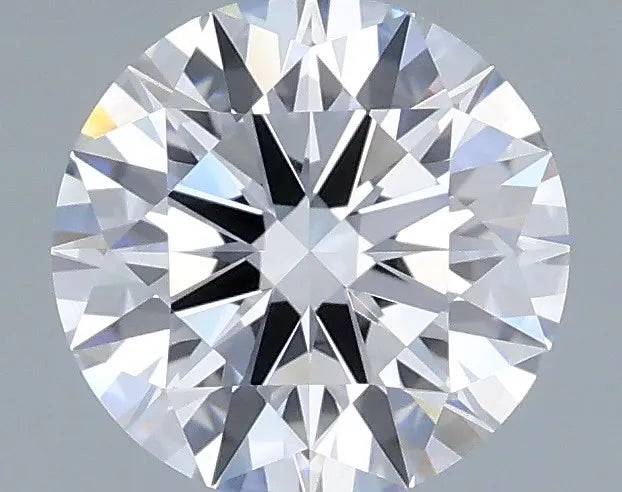
CVD vs HPHT Lab-Grown Diamonds: What’s the Difference?
If you are shopping for a lab-grown diamond, you will eventually encounter two terms: CVD and HPHT. At first, they can sound like two completely different types of gemstone. They are not. Both CVD ...
Read more
Tucson 2026 Gemstone Trends: The Colors, Stones & Cutting Styles Defining Luxury Jewellery
Every February, the global gemstone industry gathers in Tucson, Arizona, for one of the most important annual meetings of gem dealers, cutters, designers and collectors. The 2026 Tucson shows offer...
Read more