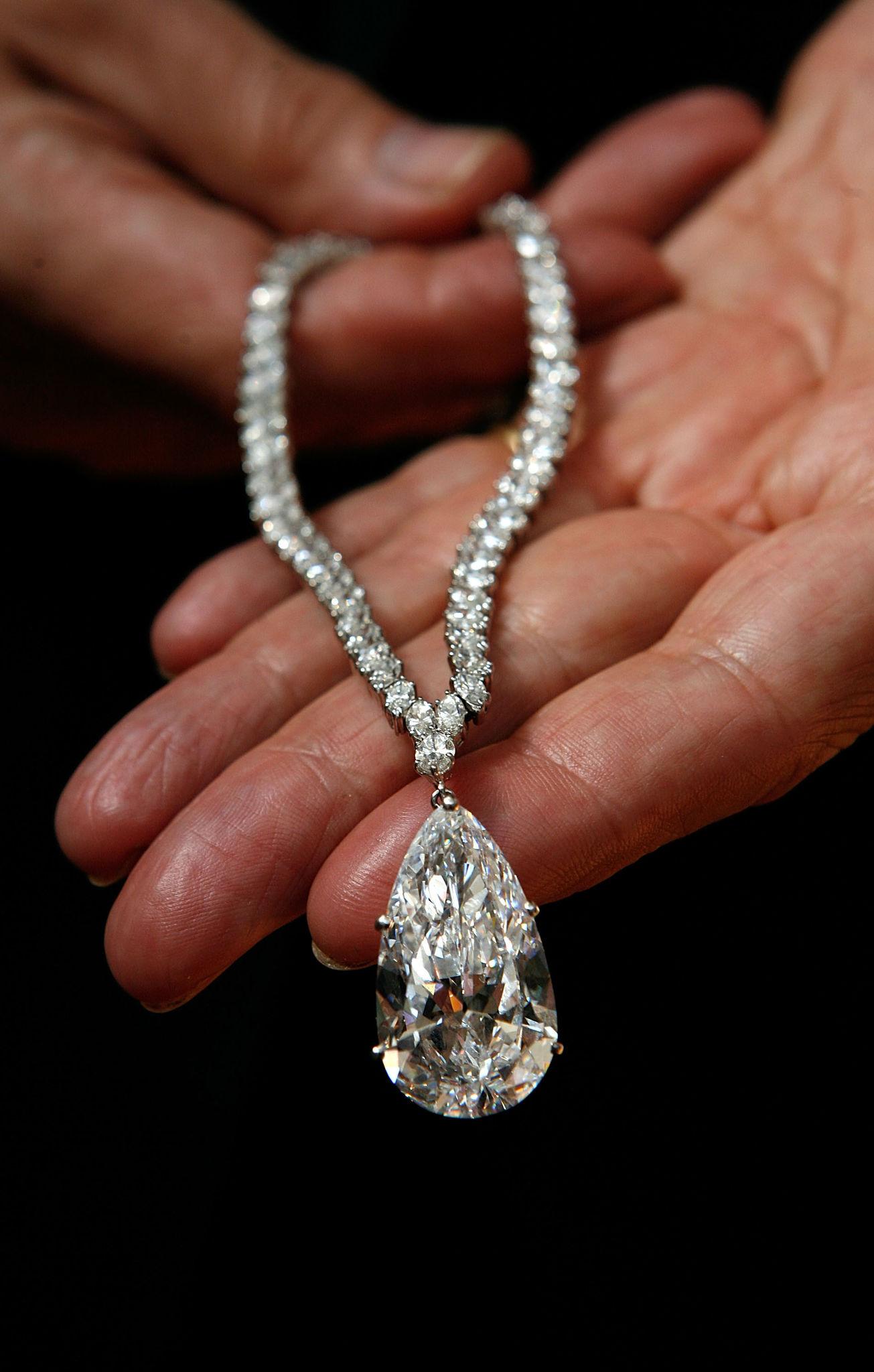
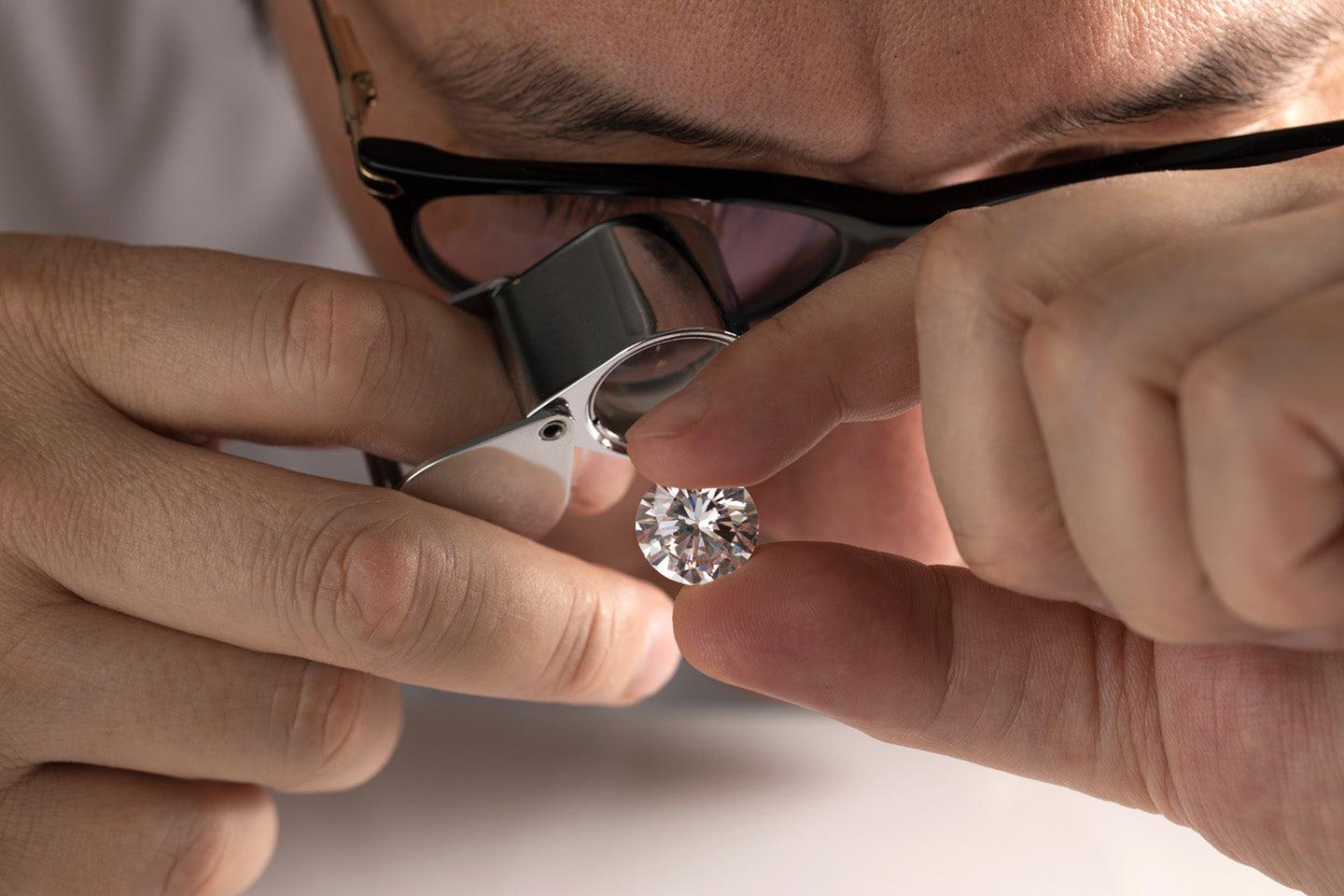
Diamond Cut Designs Explained: The Science Behind Brilliant Sparkle and Modern Faceting
When most people think about a diamond's beauty, they focus on the famous 4Cs—cut, colour, clarity, and carat weight. Yet behind every exceptional diamond lies another fascinating story: the mathematical design of its facets.
Every polished diamond is the result of careful planning, where geometry, symmetry, and light performance come together to create brilliance. While the Round Brilliant remains the world's most popular diamond cut, researchers continue to explore countless new faceting arrangements that could redefine how diamonds interact with light.
Understanding the science behind diamond cuts offers a deeper appreciation for the craftsmanship that transforms rough crystals into extraordinary works of art.

What Is a Diamond Cut?
In gemology, the term cut refers to far more than a diamond's outline.
A diamond cut includes the complete arrangement of its:
-
Table
-
Crown
-
Girdle
-
Pavilion
-
Culet
-
Individual facets
Together, these elements determine how light enters, reflects within, and exits the diamond—creating the brilliance, fire, and scintillation that define exceptional beauty.
The internationally recognised Round Brilliant Cut remains the benchmark for light performance, but modern diamond design includes countless other faceting arrangements that balance beauty, durability, and rough diamond yield.
Explore our collection of Diamond Engagement Rings.
Why Symmetry Is So Important
At the heart of every beautifully cut diamond lies symmetry.
Researchers studying diamond design often describe symmetry using mathematical concepts that explain how facet patterns repeat around the centre of the stone.
Most modern diamonds display dihedral symmetry, meaning their facets are arranged so that each section mirrors another while rotating evenly around the centre.
This symmetry is far more than visual balance—it helps create consistent light return, even sparkle, and the harmonious appearance associated with premium diamonds.
Different designs—including Round Brilliant, Princess, Cushion, and Marquise cuts—use different symmetrical layouts while pursuing the same goal: maximising beauty.
A Diamond Is More Than a Shape—It's a Three-Dimensional Design

Although we often view diamonds from above, every diamond is actually a carefully engineered three-dimensional structure.
Researchers describe diamonds as convex polyhedra—solid shapes composed of flat faces joined together in precise geometric relationships.
The two primary structural components are:
-
The Crown, which directs incoming light.
-
The Pavilion, which reflects light back toward the viewer.
When these two sections are proportioned correctly, light remains inside the diamond long enough to create maximum brilliance before returning through the table.
Designing this balance involves advanced mathematics, computer modelling, and decades of optical research.
✨ Looking for Exceptional Diamond Cut Quality?
Book a Private Consultation in Hong Kong
or
Speak with our diamond specialists on WhatsApp
We'll help you compare different diamond cuts and explain how proportions, symmetry, and craftsmanship influence a diamond's overall beauty.
Mathematics Meets Diamond Design
One of the most fascinating areas of modern diamond research involves mathematically exploring every possible faceting arrangement.
Rather than studying only existing diamond shapes, researchers create mathematical models that test whether entirely new facet layouts could produce attractive and structurally sound diamonds.
Instead of focusing on measurements such as table size or pavilion angle, these studies examine how facets connect to one another as geometric networks.
This approach allows researchers to classify potential diamond cuts before any physical diamond is ever polished.
While many theoretical designs are never produced commercially, this research continues to expand our understanding of diamond optics and manufacturing possibilities.
How Modern Technology Helps Evaluate Diamond Cuts

Today's diamond cutters rely on sophisticated technology throughout the planning process.
Advanced software allows manufacturers to:
-
Optimise light performance
-
Maximise rough diamond yield
-
Analyse symmetry
-
Predict brilliance
-
Evaluate proportions before cutting begins
Organisations such as GIA also continue researching how cut quality influences visual performance, refining grading standards that help consumers compare diamonds with confidence.
This combination of craftsmanship and technology ensures today's finest diamonds achieve exceptional beauty while preserving as much natural material as possible.
For readers interested in understanding how cut quality is graded, GIA's official Diamond Cut educational resources provide an excellent overview of the principles behind light performance and cut grading.

Collector's Insight: Why Exceptional Cut Commands Premium Prices
Among collectors, a diamond's value is never determined by carat weight alone.
Historic auction results from Christie's and Sotheby's consistently demonstrate that exceptional craftsmanship, provenance, and cut quality can significantly influence desirability.
Many of the world's most celebrated diamonds have been recut over time to improve brilliance while preserving as much historic character as possible. High jewellery maisons such as Graff, Harry Winston, and Cartier are renowned for selecting diamonds with extraordinary optical performance, where precision cutting elevates already exceptional rough into museum-quality gemstones.
For discerning collectors, superior cut transforms a beautiful diamond into an extraordinary one.
Where Art, Science, and Craftsmanship Meet
Every polished diamond represents the collaboration of nature, mathematics, and human artistry.
From sophisticated geometric modelling to meticulous polishing by master craftsmen, each facet is positioned to maximise the diamond's interaction with light while respecting the unique characteristics of the original crystal.
Whether admired in a timeless Round Brilliant or a contemporary fancy shape, exceptional cut remains the single most important factor influencing a diamond's beauty.
Explore our Natural Diamond Collection
Learn more through our Diamond Education Centre.
Read more
The World of Coloured Gemstones: Exploring Nature's Most Extraordinary Treasures
While diamonds have long symbolised timeless elegance, the world of fine jewellery is equally defined by colour. For centuries, vibrant gemstones have captivated royalty, collectors, and connoisseu...
Read more