

The Evolution of Diamond Cut Grading: How Science Redefined the World's Most Important Diamond Quality
For generations, diamond buyers have heard that cut is the most important of the 4Cs. While carat, colour, and clarity all contribute to a diamond's value, it is the quality of the cut that determines how brilliantly a diamond comes to life.
But how do experts decide whether a diamond deserves an Excellent cut grade?
The answer has changed dramatically over the past century. What began as simple measurements of angles and proportions has evolved into sophisticated optical modelling, human perception studies, and advanced three-dimensional analysis. Today, laboratories evaluate not only how much light a diamond returns, but also how our eyes perceive its sparkle, contrast, and beauty in motion.

Why Diamond Cut Matters More Than Ever
A diamond's cut determines how efficiently it interacts with light.
Even a diamond with exceptional colour and clarity can appear lifeless if it is poorly cut, while a well-cut diamond often appears brighter, larger, and more vibrant than stones with higher colour or clarity grades.
Professional cut grading evaluates several factors, including:
-
Proportions
-
Symmetry
-
Polish
-
Light performance
-
Overall visual appearance
This is why two diamonds with identical carat weight and clarity can look dramatically different when viewed side by side.
From Weight Retention to the Pursuit of Beauty
For centuries, diamond cutters focused primarily on preserving as much weight as possible from the original rough crystal.
As cutting techniques improved between the 16th and 18th centuries, craftsmen discovered that adding more facets dramatically increased sparkle under candlelight. This led to the development of the early Brilliant Cut, designed for the grand ballrooms of Europe, where thousands of candle flames created dazzling flashes of light.
By the late 19th and early 20th centuries, pioneers such as Henry D. Morse and Marcel Tolkowsky introduced scientific approaches to diamond cutting, proposing proportions that maximised brilliance through controlled reflection and refraction.
For decades, these "ideal proportions" became the foundation of modern cut grading.
The Shift from Mathematics to Human Perception

Modern research has revealed that beautiful diamonds are not defined solely by how much light they return.
Human vision is remarkably sophisticated. Our eyes respond not only to brightness but also to the constantly changing patterns of contrast, sparkle, and scintillation that appear as a diamond moves.
Researchers now understand that:
-
Brightness alone does not determine beauty.
-
Dynamic contrast patterns influence perceived brilliance.
-
Sparkle changes continuously as the observer or light source moves.
-
Different people may prefer different visual appearances, even among diamonds receiving the same laboratory cut grade.
This represents one of the most significant advances in diamond cut research over the past two decades.
✨ Experience Exceptional Cut Quality in Person
Book a Private Consultation in Hong Kong
or
Speak with our diamond specialists on WhatsApp
We'll help you compare diamonds side by side so you can experience how cut quality influences brilliance, sparkle, and overall beauty.
Modern Technology Behind Today's Cut Grades
Today's laboratories use technologies far beyond simple proportion measurements.
Three-dimensional scanners capture every facet of a diamond with remarkable precision before specialised software evaluates its optical behaviour.
Innovations such as:
-
3D digital modelling
-
Optical ray tracing
-
Light performance simulation
-
Angular Spectrum Evaluation Tool (ASET)
-
FireScope® and Hearts & Arrows analysis
allow gemologists to study how light travels through a diamond from multiple viewing angles.
Rather than relying solely on crown angles or table size, these technologies evaluate the complete interaction between geometry, light, and human perception.
For buyers, this means today's cut grades provide a far more comprehensive assessment than earlier systems.
Collector's Insight: Why Precision Cutting Defines High Jewellery

Among the world's leading jewellery maisons, exceptional rough diamonds are only the beginning.
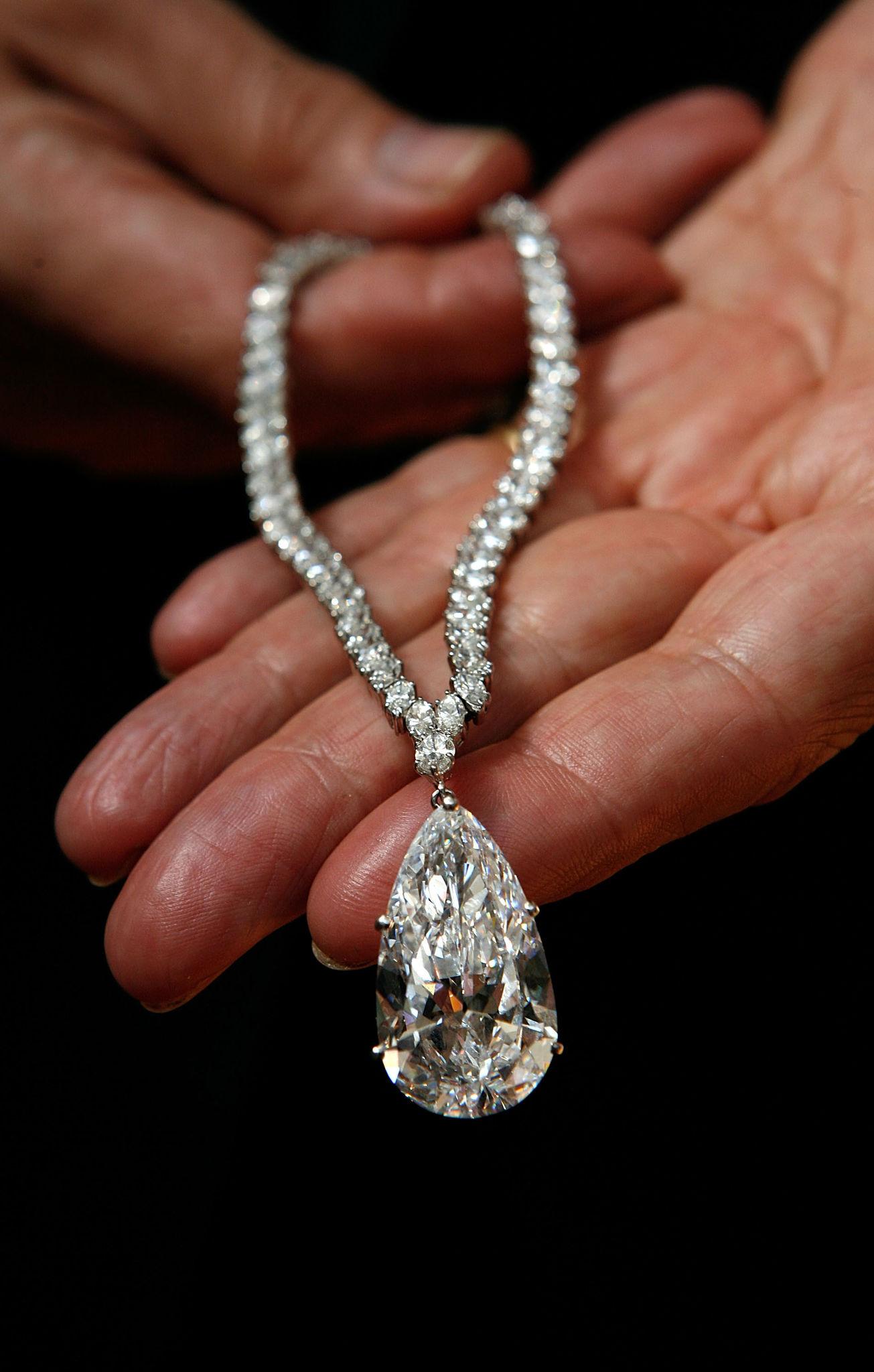
Brands such as Harry Winston, Graff, and Cartier are renowned for investing extraordinary time and expertise into cutting each stone to maximise its visual performance rather than simply preserving weight.
This philosophy is equally evident at prestigious auctions, where diamonds with outstanding brilliance, symmetry, and craftsmanship consistently command premium prices. Collectors recognise that superior cut transforms a rare natural crystal into a masterpiece of light.
In luxury jewellery, precision cutting is not merely a technical achievement—it is an art form that defines lasting value.
The Future of Diamond Cut Grading
The science of diamond cutting continues to evolve.
Researchers are increasingly exploring how motion, visual perception, artificial intelligence, and advanced optical modelling can provide an even more complete understanding of a diamond's beauty.
Rather than relying on a single numerical grade, future grading systems may incorporate dynamic visual performance—capturing how a diamond truly appears in everyday life under different lighting environments.
For consumers, this ongoing research promises greater transparency and confidence when selecting a diamond that is not only technically excellent but also visually captivating.
Choosing a Diamond That Truly Shines
The journey of diamond cut grading reflects more than a century of scientific discovery, technological innovation, and a deeper understanding of human perception.
Today, the finest diamonds are evaluated not only by their proportions but by the complete visual experience they create—balancing brilliance, fire, scintillation, symmetry, and craftsmanship.
Whether you're selecting an engagement ring or investing in a remarkable natural diamond, exceptional cut remains the feature that brings every other quality to life.
Explore our Diamond Education Centre.
閱讀更多
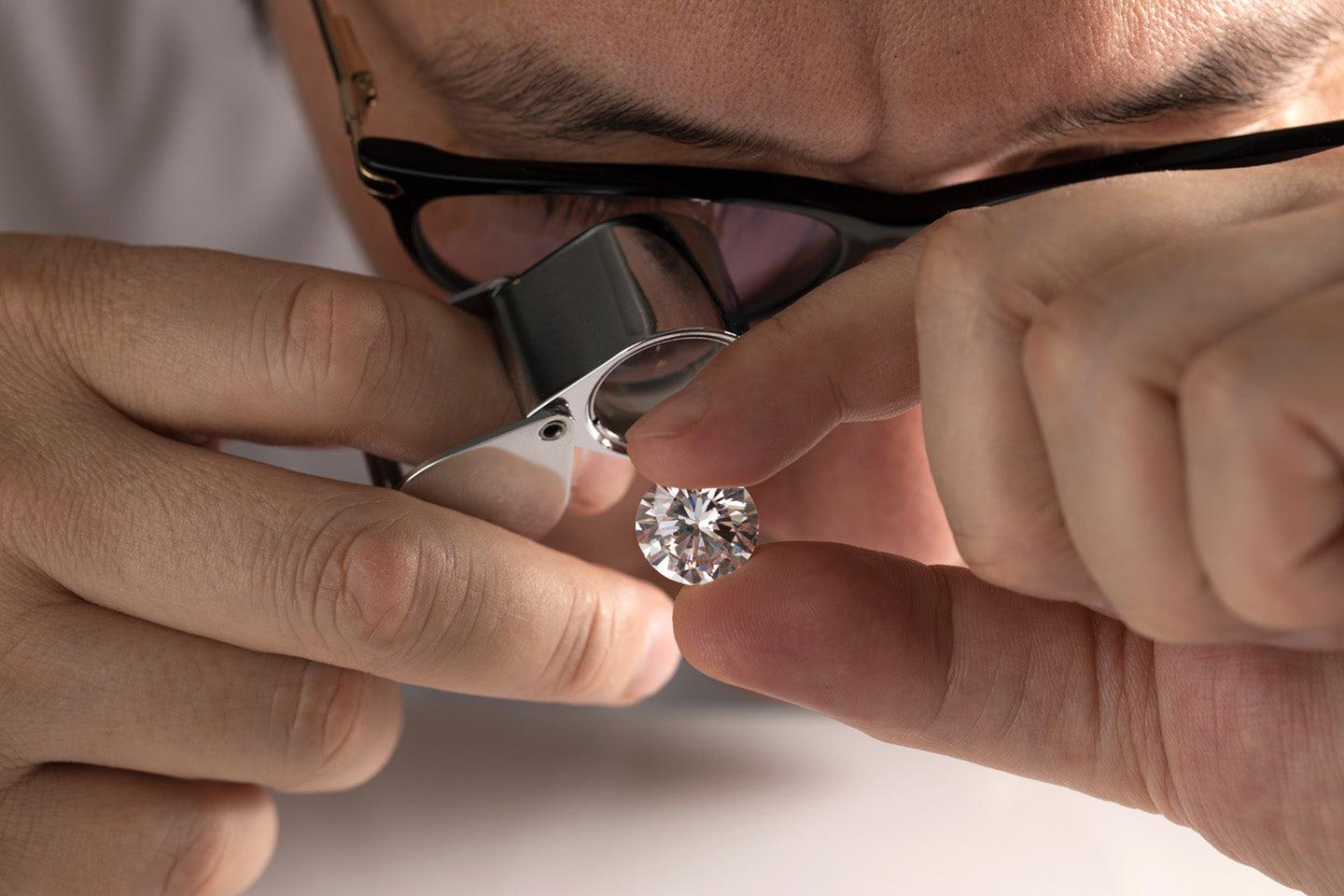
Diamond Cut Designs Explained: The Science Behind Brilliant Sparkle and Modern Faceting
When most people think about a diamond's beauty, they focus on the famous 4Cs—cut, colour, clarity, and carat weight. Yet behind every exceptional diamond lies another fascinating story: the mathem...
閱讀更多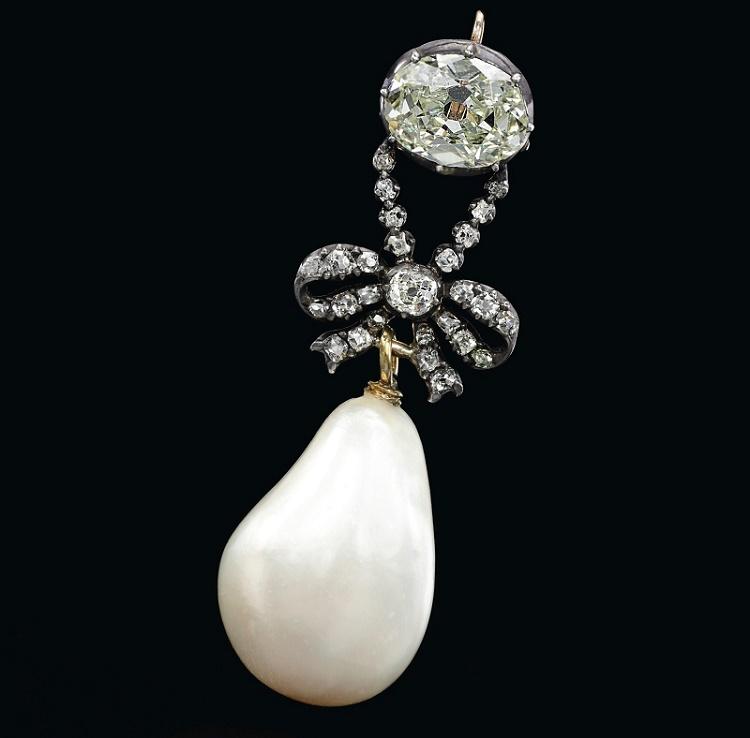
Pearls: The Queen of Gems — A Timeless Treasure of Nature and Luxury
For thousands of years, pearls have captivated royalty, collectors, and jewellery lovers around the world. Often called "The Queen of Gems," pearls are unlike any other gemstone—they are the only g...
閱讀更多