

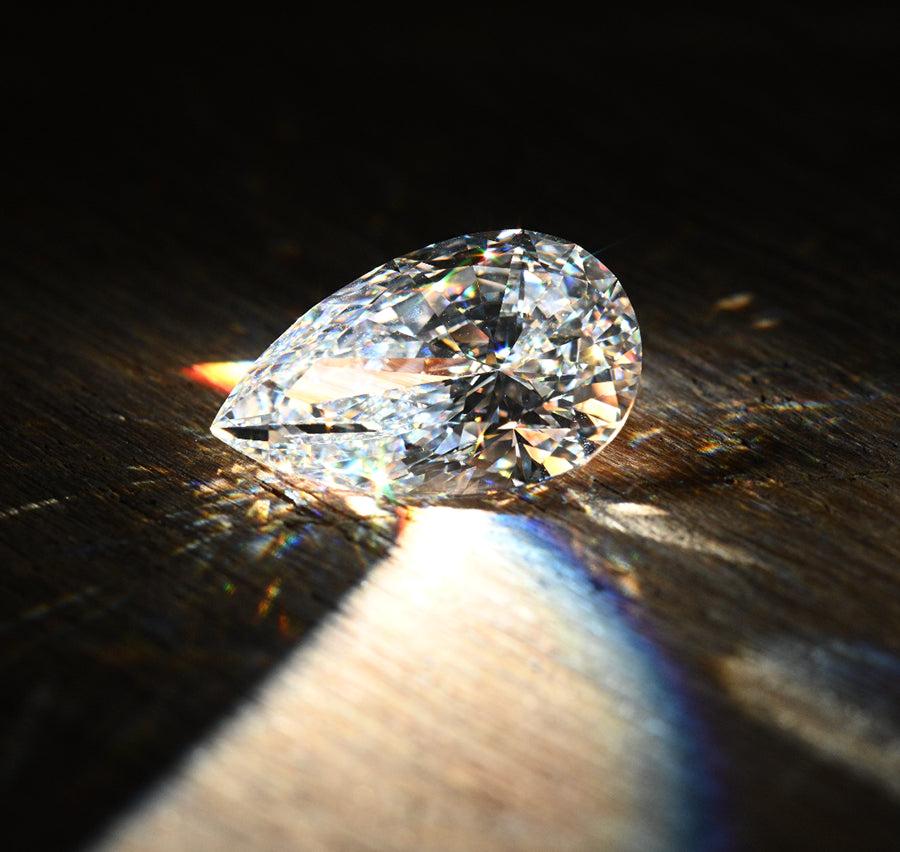
The Transformation of Diamond Cut Quality Grading: From Proportions to Human Perception
Diamond cut grading has undergone one of the most significant transformations in modern gemology. Once judged almost entirely by angles and proportions, today's leading laboratories recognize that a diamond's beauty depends on far more than mathematical precision. Modern cut evaluation combines optics, human visual perception, computer modeling, and sophisticated imaging technologies to understand how a diamond actually appears when worn.
From the earliest point-cut diamonds to AI-assisted light performance analysis, the science of cut grading has evolved through several major paradigm shifts. This article explores that fascinating journey—and why modern cut grading is far more sophisticated than ever before.

Why Diamond Cut Matters More Than Ever
Among the famous 4Cs, cut is the only quality factor directly influenced by human craftsmanship.
Even a flawless, colorless diamond can appear lifeless if poorly cut, while a well-cut stone with slightly lower clarity or color often appears noticeably more brilliant.
Cut grading helps evaluate:
-
Brightness
-
Fire
-
Scintillation (sparkle)
-
Contrast
-
Symmetry
-
Polish
-
Durability
-
Overall visual appeal
Today, laboratories such as GIA evaluate cut using extensive scientific modeling rather than relying solely on traditional proportions.
The Early Days: Mimicking Natural Diamond Crystals
The earliest polished diamonds were remarkably simple.
Rather than maximizing brilliance, early cutters attempted to preserve the natural octahedral crystal shape while retaining as much carat weight as possible.
These early "point-cut" diamonds emphasized:
-
Weight retention
-
Crystal symmetry
-
Durability
-
Natural appearance
At the time, cut quality was judged primarily by how closely the finished gem resembled a perfect natural diamond crystal.
The First Revolution: Diamonds Designed to Sparkle
As polishing technology improved during the 16th and 17th centuries, diamond cutters discovered something remarkable:
More facets created dramatically more sparkle.
This led to the development of the earliest brilliant-style cuts featuring:
-
A flat table facet
-
Additional crown facets
-
Pavilion facets designed for internal reflections
-
Increased fire under candlelight
These diamonds became the stars of Europe's grand ballrooms, where thousands of candle flames produced spectacular flashes of light.
David Jeffries' influential 1750 publication even proposed ideal proportions—including 45° crown and pavilion angles—to maximize brilliance under candle illumination.
However, economic realities soon intervened.
By the nineteenth century, cutters increasingly prioritized preserving weight over perfect proportions, producing many deep or shallow stones that looked less attractive under everyday lighting.
The Birth of the "Ideal Cut"
The next major transformation arrived in the late nineteenth century.
Boston diamond cutter Henry D. Morse began scientifically measuring diamond proportions using precision instruments.
His work eventually inspired what became known as:
-
Boston Cut
-
American Cut
-
Scientific Cut
-
Ideal Cut
Later, Marcel Tolkowsky's famous 1919 Diamond Design refined these ideas through mathematical ray tracing, identifying proportions believed to maximize light return.
For decades, this became the dominant philosophy:
Better proportions = more reflected light = more beautiful diamond.
Although revolutionary at the time, later research would reveal that this equation was only part of the story.
Why Human Vision Changed Everything
Modern research has shown that the human eye evaluates diamonds far differently than early mathematical models predicted.
Brightness is not determined solely by the amount of light returning from a diamond.
Instead, our brains interpret complex patterns created by:
-
Bright areas
-
Dark contrast
-
Virtual facets
-
Sparkle during movement
-
Dynamic changes as the diamond rotates
In other words, two diamonds returning nearly identical amounts of light can appear dramatically different simply because of how that light is organized.
This insight fundamentally changed modern cut grading.

FireScope, Hearts & Arrows, and Optical Performance
During the 1980s, Japanese researchers introduced one of the biggest innovations in diamond evaluation: the FireScope®.
Rather than measuring only proportions, FireScope allowed gemologists to visualize how light actually behaved inside a diamond.
A well-cut diamond displayed:
-
Strong red light return
-
Balanced black contrast
-
Minimal light leakage
-
Highly symmetrical optical patterns
This research eventually inspired the famous Hearts & Arrows phenomenon, now considered a hallmark of exceptional cutting precision.
Later technologies—including IdealScope® and ASET (Angular Spectrum Evaluation Tool)—expanded these concepts, enabling laboratories to evaluate not only proportions but actual optical performance.
GIA and AGS Changed Diamond Cut Grading Forever
The modern era of cut grading began in the early 2000s.
AGS Performance-Based Grading
The American Gem Society Laboratory (AGSL) introduced one of the first comprehensive three-dimensional light performance grading systems.
Instead of relying solely on proportions, AGS evaluated:
-
Brightness
-
Contrast
-
Fire
-
Light leakage
-
Dispersion
-
Symmetry
-
Durability
using sophisticated ray-tracing software and 3D models.
GIA Cut Grading
In 2006, GIA launched its own cut grading system for round brilliant diamonds.
Rather than prescribing one "perfect" set of proportions, GIA recognized that multiple combinations could produce outstanding visual performance.
Today's GIA cut grades include:
-
Excellent
-
Very Good
-
Good
-
Fair
-
Poor
This flexibility allows manufacturers to balance beauty with practical weight retention while maintaining consistently attractive diamonds.
Fancy Shapes Present a New Challenge

Unlike round brilliant diamonds, fancy shapes introduce enormous complexity.
An oval, pear, marquise, or cushion diamond may contain dozens of independent geometric variables that influence appearance.
For example:
-
Bow-tie intensity
-
Crushed-ice patterns
-
Virtual facet size
-
Light leakage
-
Pattern symmetry
-
Brightness persistence during movement
Because of these variables, modern researchers increasingly rely on detailed 3D wireframe models instead of simple proportion charts.
Current research focuses on evaluating diamonds as they move—closer to how consumers actually experience jewellery.
Beyond Mathematics: Understanding Beauty
One of the most important discoveries in recent decades is that beauty cannot always be summarized with a single numerical grade.
Two diamonds may both receive an Excellent cut grade while exhibiting distinctly different personalities:
-
Bold contrast patterns
-
Delicate crushed-ice sparkle
-
Strong directional brilliance
-
Soft balanced scintillation
Consumer preference plays an important role.
Some buyers love crisp Hearts & Arrows symmetry.
Others prefer lively crushed-ice brilliance in fancy shapes.
Modern research increasingly aims not only to determine which diamonds are well cut—but also to describe how they appear.
Collector's Perspective: Why Exceptional Cut Continues to Drive Auction Prices
While carat weight often attracts headlines, exceptional cut frequently distinguishes record-setting diamonds from ordinary large stones.
At prestigious auction houses such as Christie's and Sotheby's, collectors consistently pay premiums for diamonds that combine outstanding optical performance with exceptional color, clarity, and provenance.
This explains why seemingly similar diamonds may achieve dramatically different hammer prices despite comparable sizes. Superior craftsmanship transforms rough crystals into gemstones capable of producing extraordinary brilliance—one of the defining qualities sought by elite collectors.
The Future of Diamond Cut Grading
The future of cut grading is moving beyond static measurements toward dynamic performance.
Researchers are currently exploring:
-
Artificial intelligence
-
Dynamic light simulation
-
Human observer studies
-
Motion-based appearance analysis
-
Advanced 3D modeling
-
Pattern recognition algorithms
Rather than asking only "How much light does a diamond return?", tomorrow's grading systems aim to answer a far more meaningful question:
"How beautiful does this diamond appear when someone actually wears it?"
Choosing a Beautifully Cut Diamond
While color, clarity, and carat remain important, cut is ultimately what brings a diamond to life.
A superior cut enhances brilliance, fire, and sparkle while maximizing the visual impact of every carat. Whether selecting a classic round brilliant or a distinctive fancy shape, understanding modern cut grading helps buyers appreciate the craftsmanship behind exceptional diamonds.
Explore our Diamond Education Centre
or book a private consultation in Hong Kong to find a diamond with outstanding optical performance.
阅读更多
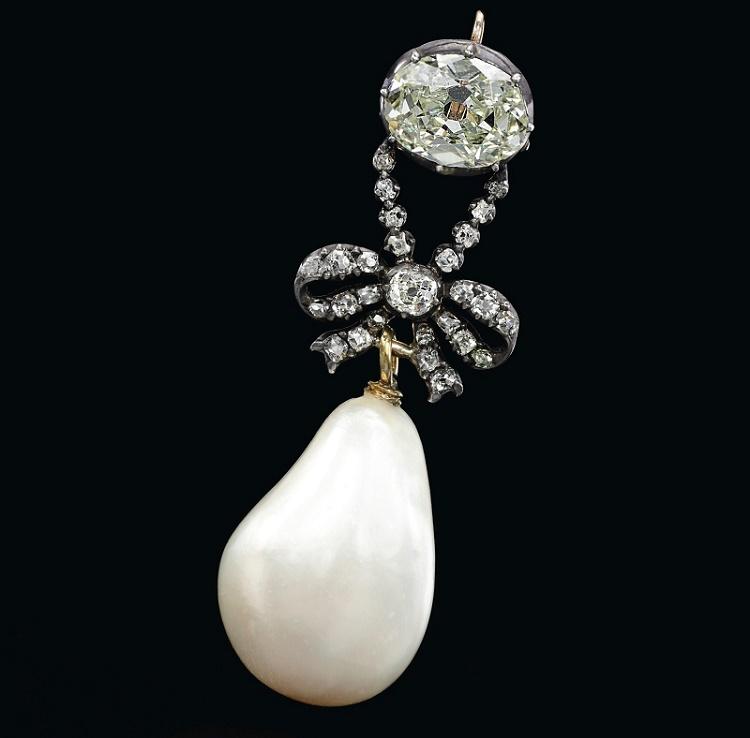
Pearls: The Queen of Gems — A Timeless Treasure of Nature and Luxury
For thousands of years, pearls have captivated royalty, collectors, and jewellery lovers around the world. Often called "The Queen of Gems," pearls are unlike any other gemstone—they are the only g...
阅读更多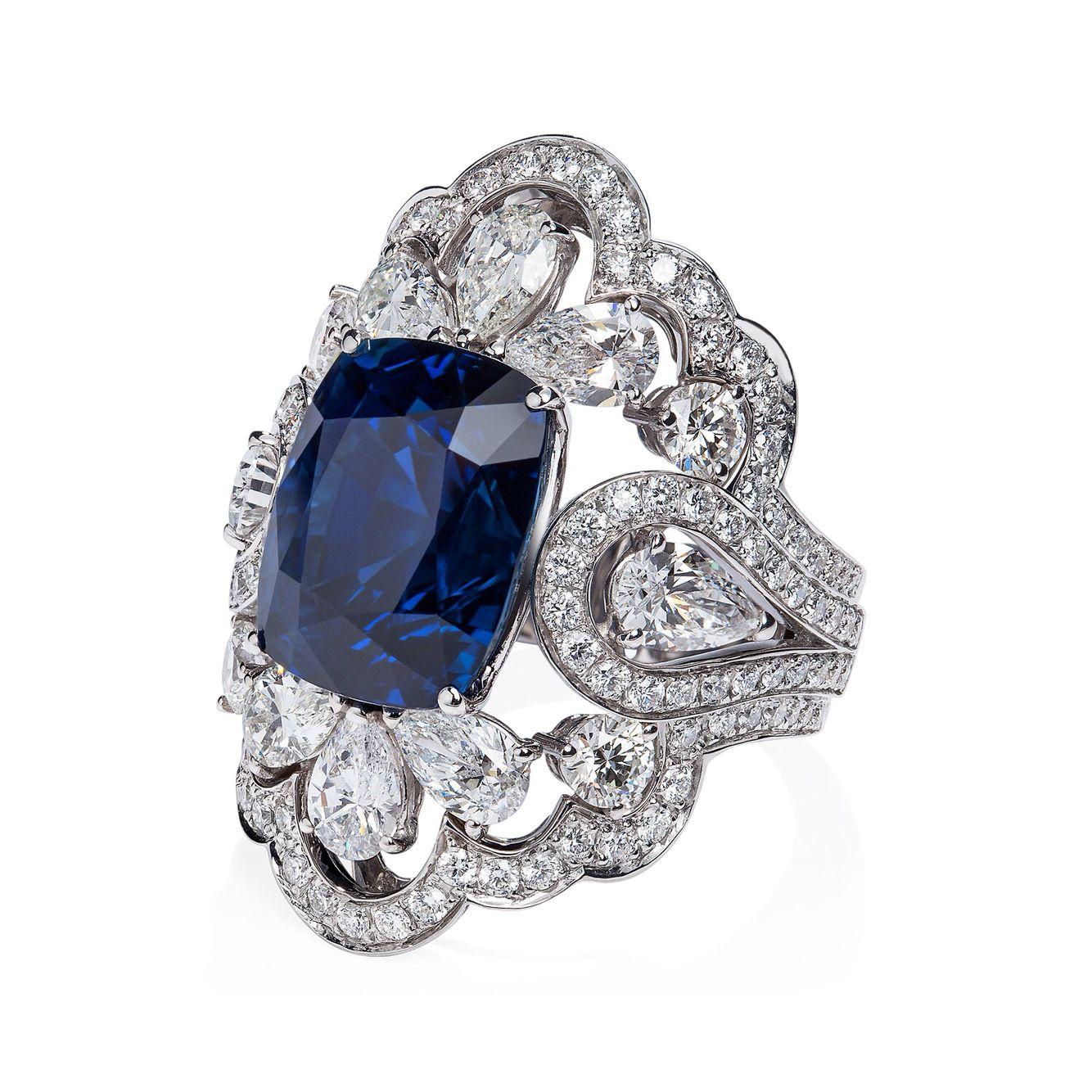
Blue or Green Gemstones With Diamonds? The Colour Choice That Changes Everything
A blue sapphire surrounded by diamonds carries a certain royal authority. A green emerald tells a different story: richer, warmer, more atmospheric, with a connection to nature, heritage and old-wo...
阅读更多