

Pearls: The Queen of Gems — A Timeless Treasure of Nature and Luxury
For thousands of years, pearls have captivated royalty, collectors, and jewellery lovers around the world. Often called "The Queen of Gems," pearls are unlike any other gemstone—they are the only gems created by living organisms. Their soft glow, natural elegance, and fascinating formation process have made them enduring symbols of purity, sophistication, and timeless beauty.
Today, cultured pearls have made these remarkable gems more accessible than ever, while exceptional natural pearls remain among the rarest treasures in the jewellery world. Behind every pearl lies an extraordinary story of biology, craftsmanship, and scientific innovation.
What Makes Pearls So Unique?
Unlike diamonds or coloured gemstones that form deep within the earth, pearls develop inside certain species of mollusks, primarily oysters and mussels.
Over time, these mollusks produce layers of calcium carbonate (aragonite or calcite) combined with organic materials through a natural process called biomineralization. Layer upon layer of nacre creates the beautiful lustre that pearls are famous for.
This unique biological origin makes pearls:
-
The world's most important organic gemstone
-
Naturally smooth and luminous
-
Exceptionally elegant for both everyday and formal jewellery
-
Available in an extraordinary range of colours, shapes, and sizes
Unlike faceted gemstones, a pearl's beauty comes not from brilliance or fire, but from its soft, glowing lustre and delicate surface reflections.
Natural Pearls vs. Cultured Pearls
One of the most common misconceptions is that cultured pearls are imitation pearls.
In reality, both natural and cultured pearls are genuine pearls. The difference lies only in how the pearl begins to form.
Natural Pearls
Natural pearls occur without human intervention. A foreign particle naturally enters the mollusk, triggering the formation of nacre over many years.
Because this process is entirely accidental, natural pearls are exceptionally rare. Before pearl cultivation was developed in the early twentieth century, they were reserved almost exclusively for royalty, nobility, and the wealthiest collectors.
Today, fine natural pearls remain among the rarest organic gemstones in existence.
Cultured Pearls
Cultured pearls are produced by carefully introducing a nucleus or tissue into the mollusk under controlled conditions.
The mollusk still performs the entire pearl-forming process naturally by depositing layers of nacre around the nucleus.
The result is a genuine pearl with the same beautiful organic composition as a natural pearl—but available in far greater quantities.
For buyers seeking exceptional beauty and value, cultured pearls have become the standard choice for fine jewellery worldwide.
The World's Most Famous Pearl Varieties

Modern pearl farming has introduced several remarkable varieties, each with its own distinctive appearance.
Akoya Pearls
Known for their perfectly round shapes and exceptional mirror-like lustre, Akoya pearls are the classic choice for elegant pearl necklaces and bridal jewellery.
South Sea Pearls
Produced primarily in Australia, Indonesia, and the Philippines, South Sea pearls are among the largest cultured pearls in the world.
Their luxurious satin-like lustre and natural white, silver, and golden colours make them highly prized by collectors.
Tahitian Pearls
Often referred to as black pearls, Tahitian pearls display an extraordinary palette of colours including charcoal, green, peacock, aubergine, and silver.
Each pearl is naturally unique, making them a favourite in contemporary luxury jewellery.
Freshwater Pearls
Modern freshwater pearls offer exceptional value and are available in countless shapes, colours, and sizes, making them ideal for both classic and fashion-forward designs.
How Gemological Laboratories Identify Pearls
Because natural and cultured pearls can appear nearly identical from the outside, advanced testing is often required to determine their origin.
For nearly a century, GIA has been at the forefront of pearl identification through extensive research and laboratory analysis.
Modern gemological techniques include:
-
Real-time X-ray microradiography
-
X-ray computed microtomography (micro-CT)
-
UV-Visible spectroscopy
-
Raman spectroscopy
-
X-ray fluorescence (XRF)
-
Laser Ablation ICP-MS
-
Photoluminescence analysis
These advanced methods allow gemologists to examine the pearl's internal structure without damaging it, providing accurate identification between natural and cultured pearls.
Pearl Treatments: Enhancing Nature's Beauty
Like many gemstones, pearls may undergo treatments to improve their appearance.
Common post-harvest processes include:
-
Bleaching to create a brighter appearance
-
Lustre enhancement (Maeshori)
-
Optical brightening
-
Colour treatments that imitate black Tahitian or golden South Sea pearls
Modern laboratories use sophisticated analytical techniques to distinguish natural pearl colours from treated ones, ensuring transparency for buyers and collectors.
When purchasing fine pearls, disclosure of any treatments is an important part of responsible jewellery practice.
Collector's Insight: Natural Pearls Continue to Command Record Prices

While cultured pearls dominate today's jewellery market, exceptional natural pearls continue to attract intense interest from collectors worldwide.
Historic necklaces, royal jewels, and rare natural pearl pieces regularly appear at major auction houses including Christie's and Sotheby's, where provenance often proves just as valuable as size.
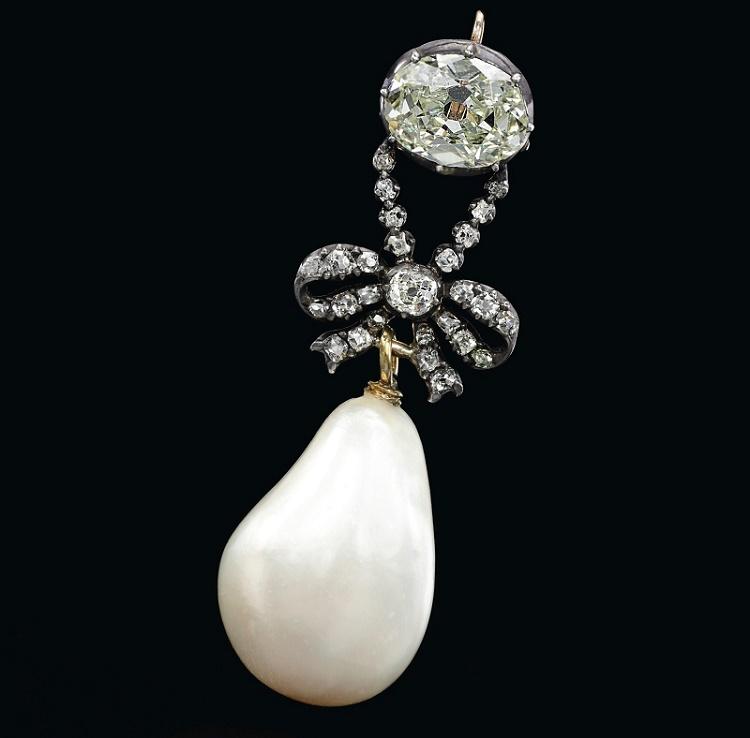
One of the most celebrated examples is Marie Antoinette's natural pearl pendant, which sold for over USD 36 million at auction—far exceeding expectations and becoming one of the most valuable pearls ever sold.
These extraordinary sales demonstrate that rarity, historical significance, and provenance continue to elevate the world's finest pearls into the highest tier of collectible jewellery.
The Future of Pearl Science
Pearl research continues to evolve alongside advances in analytical technology.
Beyond traditional gemological testing, researchers are now exploring innovative methods such as:
-
Radiocarbon dating
-
DNA analysis
-
Advanced chemical fingerprinting
-
Trace element analysis
These emerging techniques may one day provide even greater insight into a pearl's origin, age, and formation history, further enhancing transparency throughout the jewellery industry.
Discover the Timeless Beauty of Pearls
Whether admired for their understated elegance or collected for their extraordinary rarity, pearls remain among the most captivating creations in the natural world.
From classic Akoya strands to luxurious South Sea pearls and exceptionally rare natural specimens, every pearl reflects a remarkable journey that began inside a living mollusk.
Explore our Pearl Jewellery Collection,
or book a private consultation in Hong Kong to discover the perfect pearl for your collection.
阅读更多
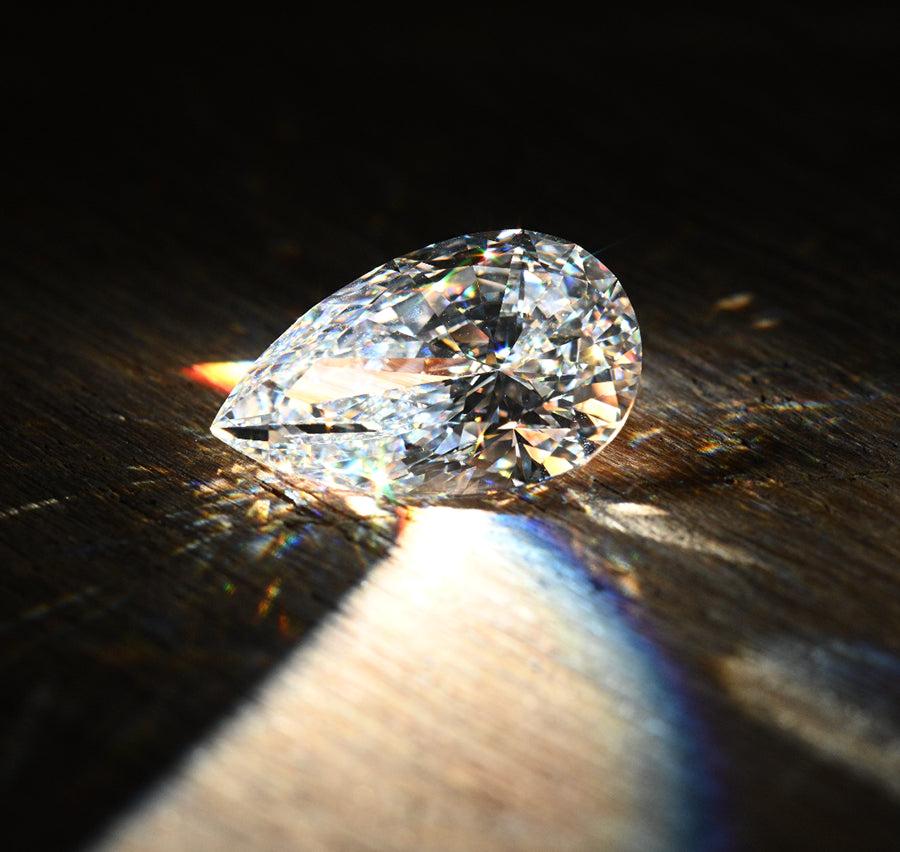
The Transformation of Diamond Cut Quality Grading: From Proportions to Human Perception
Diamond cut grading has undergone one of the most significant transformations in modern gemology. Once judged almost entirely by angles and proportions, today's leading laboratories recognize that ...
阅读更多