
Blue or Green Gemstones With Diamonds? The Colour Choice That Changes Everything
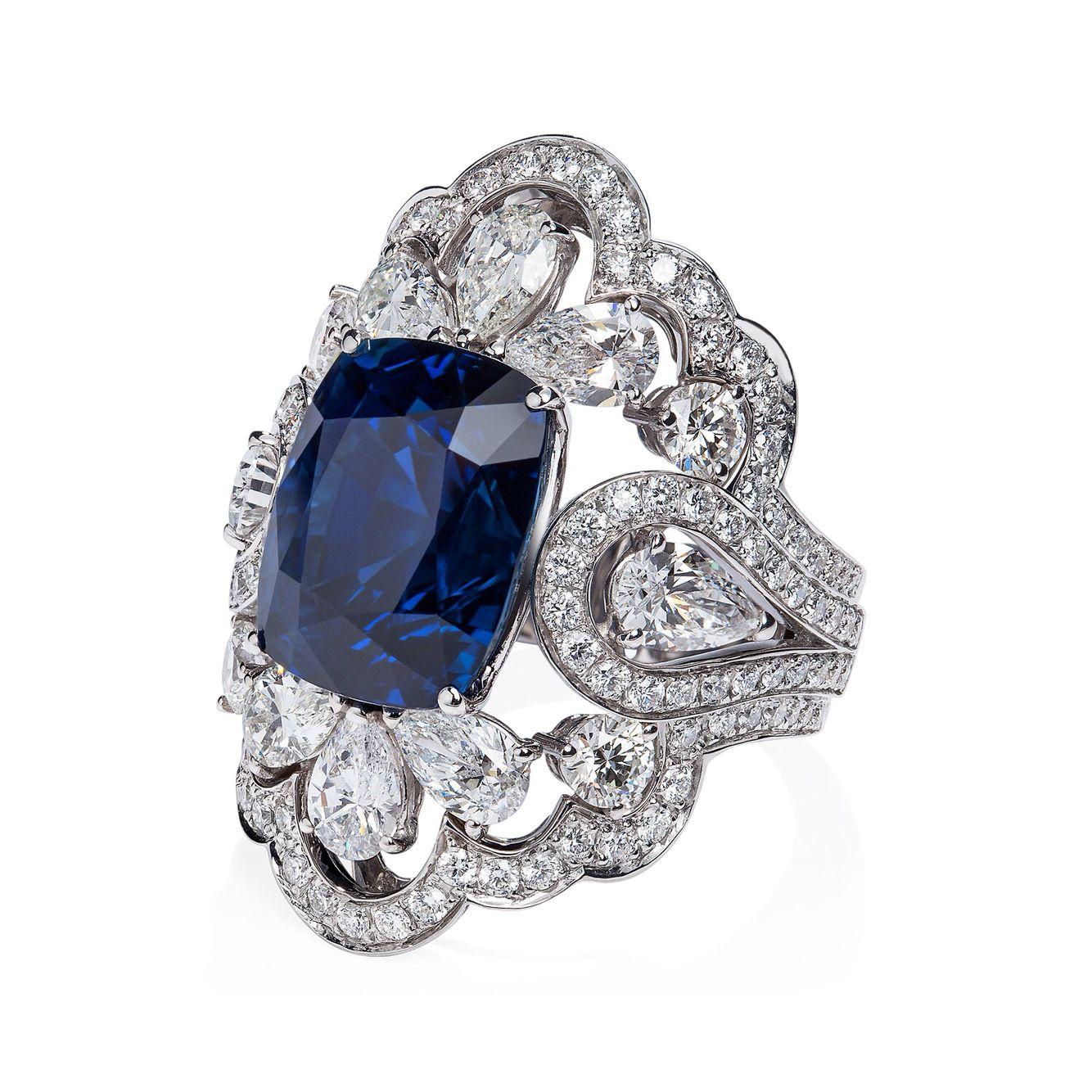
A blue sapphire surrounded by diamonds carries a certain royal authority. A green emerald tells a different story: richer, warmer, more atmospheric, with a connection to nature, heritage and old-world glamour.
That is the power of colour in diamond jewellery.
A diamond brings brilliance and movement, but a coloured gemstone determines the emotional character of the piece. Blue creates a cooler register — composed, elegant and quietly commanding. Green draws the eye inward, creating something more organic, saturated and often more distinctive.
For Hong Kong jewellery lovers, this distinction has become increasingly relevant. The region's high-jewellery market has always appreciated exceptional coloured stones, but recent auction results demonstrate just how powerful colour, rarity and provenance can become when they converge in a truly exceptional gem.
So which speaks to you more: the polished authority of blue, or the lush depth of green?

At a Glance: Blue vs. Green Gemstones With Diamonds
Blue gemstones tend to make diamond jewellery feel cool, refined and composed. Sapphire is the classic example, while aquamarine creates a lighter and more luminous interpretation. Tanzanite introduces a more mysterious blue-violet character, while blue topaz offers a brighter and more accessible expression.
Green gemstones create stronger visual contrast with diamonds. Emerald brings historical glamour and depth, while green sapphire offers a more understated and contemporary interpretation of the same colour family.
Neither is inherently better.
The more important question is what you want your jewellery to communicate.
Blue often suggests elegance, clarity and confidence.
Green suggests richness, individuality and connection to the natural world.
This is also why coloured gemstones should not be evaluated simply by comparing carat weights. GIA's educational material emphasises that coloured gemstone value involves factors including colour, clarity, cut, carat weight, rarity and market considerations.
Explore GIA's Colored Stone Essentials
The Blue Gemstone Mood: Cool Light, Royal Depth and Oceanic Clarity
Blue gemstones have an intuitive relationship with diamonds because both belong to the language of light.
The diamond flashes white.
The gemstone holds the colour.
Together, they create contrast without competing for attention.
Sapphire: The Classic Blue
Sapphire remains the definitive choice for blue gemstone jewellery.
A deep blue sapphire surrounded by diamonds has an established sense of authority. It feels formal without becoming severe, traditional without feeling dated.
Part of sapphire's appeal comes from its ability to hold strong colour while remaining remarkably versatile. A sapphire ring can be styled with platinum for a crisp, contemporary appearance or with yellow gold for a warmer, more heritage-inspired look.
Its cultural significance is equally important. Blue sapphire has become deeply associated with royal jewellery and iconic engagement rings, giving the stone an immediate sense of history.
For a buyer in Hong Kong who wants a coloured gemstone that feels unmistakably luxurious but still recognisable, sapphire is often the natural starting point.
Aquamarine: A Softer Interpretation of Blue
Aquamarine tells a completely different blue story.
Where sapphire can feel deep and regal, aquamarine is airy. Its pale blue tones suggest clear water, open skies and understated resort elegance.
Set with diamonds, aquamarine often feels lighter and more luminous than sapphire. It is still unquestionably fine jewellery, but the emotional tone is more relaxed.
This makes aquamarine particularly effective in earrings and necklaces, where its transparency can interact beautifully with diamonds around the face.
For someone who likes blue but does not want the formality associated with a deep sapphire, aquamarine offers an elegant alternative.
Tanzanite: Blue With a Hint of Twilight
Tanzanite occupies another position within the blue family.
Its colour can move between blue and violet depending on the lighting and viewing angle, giving the gemstone a more atmospheric personality.
Rather than the controlled authority of sapphire, tanzanite can feel more mysterious and expressive.
When surrounded by diamonds, those flashes of blue and violet become particularly noticeable, creating jewellery that feels distinctive without relying on excessive size.
It is an especially compelling choice for someone who wants a coloured gemstone with a story that feels less familiar.
The Green Gemstone Mood: Lush Contrast, Heritage and Natural Drama
Green gemstones behave differently with diamonds.
Blue often creates tonal harmony with diamonds. Green creates contrast.
That contrast is what makes green jewellery so memorable.
The diamond-set border brightens the gemstone. The gemstone gives the diamonds a coloured centre of gravity. Together, they create a composition that immediately draws the eye.
Emerald: The Great Romantic Green
Emerald remains the most iconic expression of green in fine jewellery.
Its appeal is not simply its colour. Emerald carries centuries of history, from ancient royal adornment to some of the world's most important private jewellery collections.
The finest emeralds can possess a saturated green that feels almost velvety rather than simply bright. Unlike diamonds, emeralds are not primarily prized for maximum brilliance. Their appeal comes from colour, transparency, character and the way the stone seems to glow from within.
This is why emerald and yellow gold can be such a powerful combination.
The gold warms the green.
The diamonds add brilliance.
The emerald provides depth.
The result is jewellery that feels rich rather than icy.
Green Sapphire: A More Unexpected Choice
Green sapphire is less immediately recognisable than emerald, and that is precisely what makes it interesting.
It belongs to the sapphire family but moves away from the traditional blue colour most buyers associate with the stone.
The result can feel cleaner and more contemporary than emerald while retaining the sophistication associated with sapphire.
Green sapphire works particularly well for buyers who appreciate coloured gemstones but want something less conventional.
Set in yellow gold, it can feel organic and warm. Set in white gold or platinum, it becomes sharper and more modern.
For an engagement ring, that distinction can be important. Emerald carries a very strong historical identity; green sapphire allows the wearer to create something that feels more personal and unexpected.
Why Colour Is Becoming More Important at the World's Top Auctions

The growing importance of coloured gemstones is not simply a fashion observation. The world's major auction houses provide some of the clearest evidence of how collectors are valuing colour, rarity and provenance.
One of the strongest examples came from Christie's Geneva Magnificent Jewels auction in May 2026.
The Ocean Dream: When Colour Becomes the Value
The 5.50-carat Fancy Vivid Blue-Green "Ocean Dream" sold for $17.3 million, setting a record auction price for a fancy vivid blue-green diamond. The stone had previously sold at Christie's Geneva in 2014 for approximately $8.5 million, meaning its latest result more than doubled its previous auction price.
What makes the result particularly interesting is that the diamond's value cannot be explained by carat weight alone.
The Ocean Dream is not one of the world's largest diamonds.
It is extraordinary because of colour rarity.
Its Fancy Vivid Blue-Green colour places it in an exceptionally narrow category of natural coloured diamonds. Christie's described it as the largest Fancy Vivid Blue-Green diamond known to exist, while GIA identified it as the largest of this colour it had graded.
This illustrates a crucial principle for anyone entering the coloured gemstone market:
In exceptional jewellery, rarity of colour can matter more than size alone.
A larger stone with a more common colour does not automatically command a higher price than a smaller stone with an extraordinarily rare colour.
Hong Kong's Collectors Are Showing the Same Appetite for Colour
The same principle is visible much closer to home.
At Christie's Hong Kong Spring 2026 jewellery sale, the Ethereal Jadeite Necklace, composed of 61 perfectly matched jadeite beads, achieved HK$200,200,000 — approximately US$25.5 million. Christie's described it as the most valuable masterpiece sold in Asia during Spring 2026.
The result is significant because jadeite occupies a very different part of the gemstone world from blue diamonds or emeralds.
Yet the same principles apply:
colour, rarity, quality, matching, provenance and cultural significance.
For Hong Kong collectors in particular, this is an important reminder that the definition of luxury jewellery extends far beyond colourless diamonds.
The most desirable jewels can be those that possess a combination of exceptional material and an exceptional story.
Provenance Is Becoming Part of the Jewellery Itself
At the very highest level of the market, collectors are not simply purchasing gemstones.
They are purchasing history.
A rare emerald with a documented provenance can become more desirable than an otherwise comparable stone without one. A historic sapphire associated with a distinguished private collection can carry an additional layer of cultural and emotional value.
This is one reason auction catalogues from houses such as Christie's and Sotheby's have become valuable sources of inspiration for contemporary high jewellery.
Their sales regularly bring together:
-
Historic private collections
-
Important coloured gemstones
-
Rare fancy-coloured diamonds
-
Jewellery from Cartier, Van Cleef & Arpels and other major maisons
-
Pieces with documented provenance
-
Exceptional stones with unusual geological or cultural stories
For the modern collector, provenance transforms a gemstone from a beautiful object into something closer to a piece of history.
Blue or Green? The Metal Changes Everything
Metal is not simply the frame around a gemstone.
It changes the colour story.
Blue + White Gold or Platinum
White gold and platinum reinforce the cool character of blue gemstones.
Sapphire becomes crisp and architectural.
Aquamarine becomes even more luminous.
Tanzanite leans further into its blue-violet character.
This combination is ideal for someone who prefers sleek, contemporary jewellery.
Blue + Yellow Gold
Yellow gold creates contrast against blue.
A deep sapphire suddenly feels warmer and more expressive. The combination can evoke vintage jewellery, Mediterranean colour palettes or old-world glamour.
It is a particularly effective choice when the wearer wants the blue gemstone to feel bold rather than restrained.
Green + Yellow Gold
This may be the most intuitive pairing of all.
Yellow gold brings warmth to emerald and green sapphire, emphasising their organic character.
Emerald becomes richer.
Green sapphire becomes more botanical.
The entire jewel feels warmer and more tactile.
Green + White Gold
White metal creates a completely different effect.
Emerald becomes sharper and more graphic. The combination can recall Art Deco jewellery, particularly when geometric diamond settings are involved.
Green sapphire can become even more contemporary in platinum or white gold, especially when the design uses clean lines and minimal detailing.
How Cut Changes the Personality of Colour

When choosing coloured gemstone jewellery, cut deserves as much attention as colour.
A gemstone's proportions influence how colour is distributed, how much light enters and exits the stone, and how the colour appears across its face.
Oval
Oval cuts can create an elegant, elongated appearance and work beautifully with sapphire and emerald.
Emerald Cut
The emerald cut creates broad, step-like reflections rather than intense scintillation. This makes it particularly compelling for stones where colour and clarity are central to the design.
Pear
Pear-shaped gemstones introduce movement and direction. They can make a coloured centre stone feel more contemporary while maintaining a strong romantic character.
Cushion
Cushion cuts tend to create a softer, more traditional appearance and can work particularly well with emeralds and sapphires when a vintage-inspired mood is desired.
The right cut therefore depends not only on the gemstone but also on the personality of the jewellery.
Explore our Pearl Jewellery Collection,
or book a private consultation in Hong Kong to discover the perfect pearl for your collection.
阅读更多
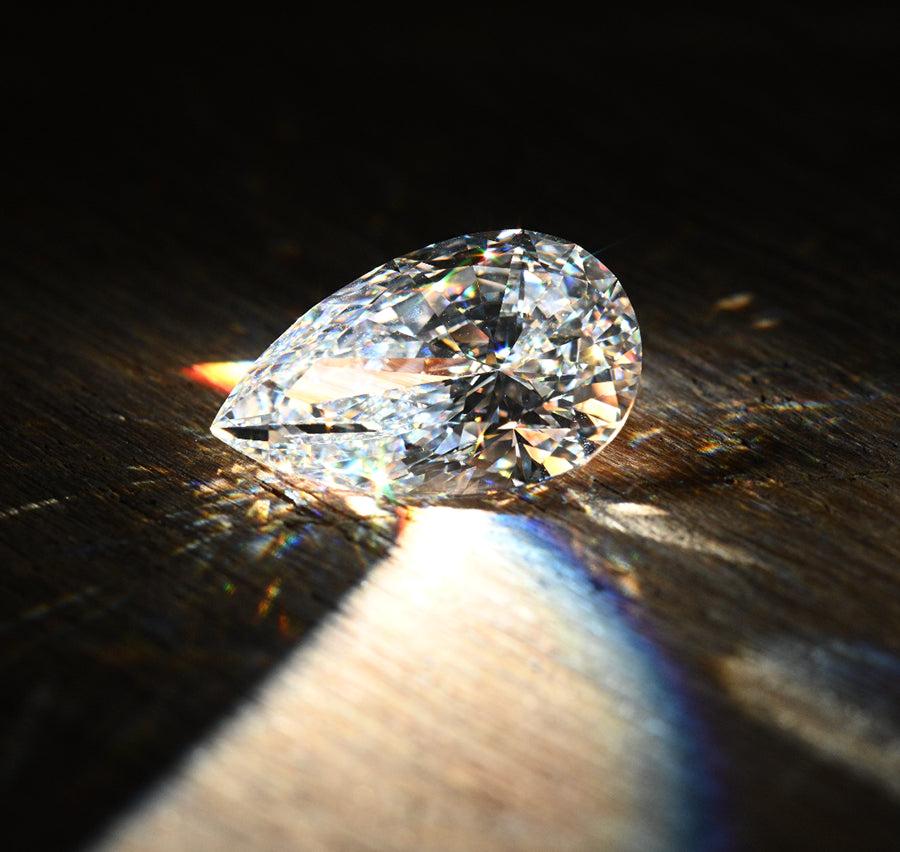
The Transformation of Diamond Cut Quality Grading: From Proportions to Human Perception
Diamond cut grading has undergone one of the most significant transformations in modern gemology. Once judged almost entirely by angles and proportions, today's leading laboratories recognize that ...
阅读更多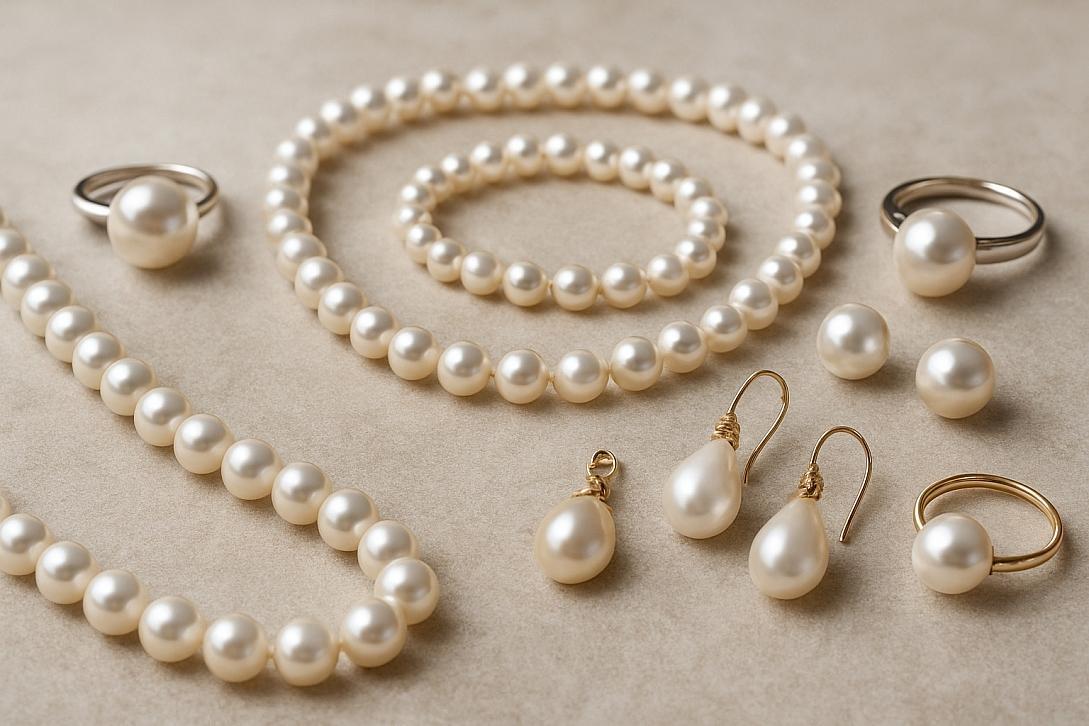
Filled Natural Hollow Heart-Shaped Pearls: When Natural Formation Meets Human Craftsmanship
Pearls are often associated with perfect spheres, soft lustre and timeless elegance. But nature rarely follows a perfect template. Some of the most fascinating pearls are irregular, baroque and hig...
阅读更多