

How to Tell if a Diamond Is Real — Simple Ways to Spot Authentic Diamonds
A diamond’s brilliance is unmistakable — but with today’s diamond simulants becoming increasingly convincing, many people wonder how to tell whether a diamond is truly real.
While only professional testing can provide complete certainty, there are several visual signs and at-home methods that can help identify whether a diamond is likely authentic.
From sparkle and setting quality to simple flashlight and fog tests, understanding these details can help you shop with greater confidence — especially when choosing an engagement ring or fine jewelry designed to last a lifetime.
How to Tell a Real Diamond by Eye

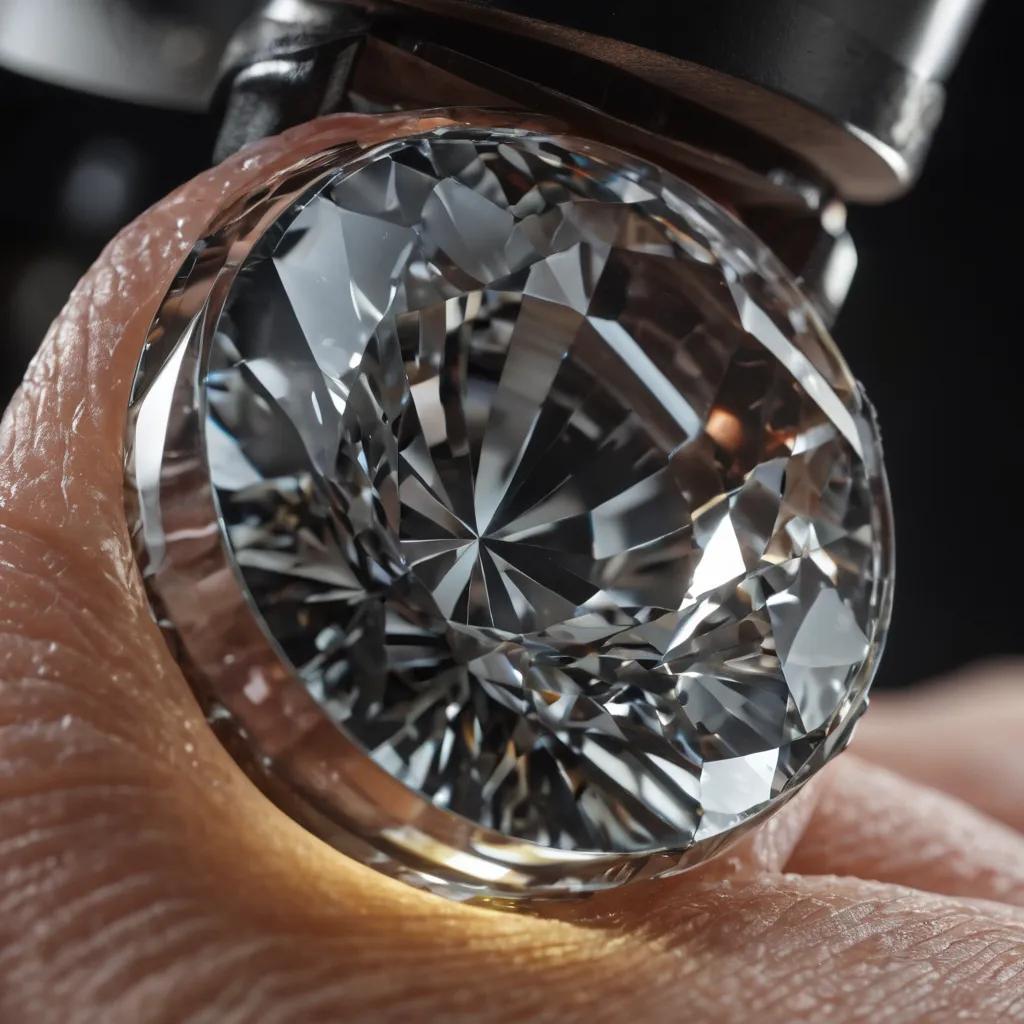
The easiest way to identify a real diamond visually is by observing how it interacts with light.
Real diamonds possess an exceptionally high refractive index, which creates:
-
Bright white brilliance
-
Crisp light reflections
-
Balanced sparkle and fire
Unlike imitation stones, authentic diamonds produce:
-
Sharp flashes of white light
-
Controlled rainbow dispersion
-
Deep dimensional sparkle
By comparison, simulants like cubic zirconia often display:
-
Excessive rainbow reflections
-
Softer brilliance
-
A more glassy appearance
Facet Sharpness Matters
Real diamonds also feature:
-
Clean, crisp facet edges
-
Precise symmetry
-
Sharp cuts and angles
Poorly cut or rounded edges can indicate imitation stones or lower-quality craftsmanship.
Natural Inclusions Can Be a Good Sign
Tiny internal imperfections — called inclusions — are common in natural diamonds and often indicate authenticity.
Perfectly flawless stones can sometimes suggest simulants rather than genuine diamonds.
Explore our collection of GIA certified diamonds or learn more through our
How to Tell if Diamond Jewelry Is Real
Diamond Rings

When examining a diamond ring, the setting itself often reveals important clues.
Real diamonds are usually mounted in:
-
Platinum
-
14K or 18K gold
-
Fine jewelry settings with secure craftsmanship
Look for hallmark stamps such as:
-
14K
-
18K
-
585
-
750
-
PT950
A genuine diamond ring should feel thoughtfully constructed with secure prongs or bezels.
Poor craftsmanship and lightweight materials often suggest imitation stones.
Diamond Earrings

Authentic diamond earrings should display:
-
Consistent brilliance between both stones
-
Matching sparkle and light performance
-
Quality precious metal posts and backs
Real diamonds create sharp flashes of white light rather than overly colourful reflections.
The overall craftsmanship should also feel substantial and refined.
✨ Looking for Certified Diamond Jewelry?
Explore our
GIA certified diamond collection
or Book a private consultation via WhatsApp
Diamond Bracelets

For diamond bracelets — especially tennis bracelets — consistency is key.
Authentic pieces should feature:
-
Uniform sparkle across all stones
-
Even stone sizes and cuts
-
Secure settings and solid clasps
When moved under light, a real diamond bracelet maintains balanced brilliance throughout the piece.
Diamond Necklaces

A real diamond necklace should display brilliance consistently across both center stones and accent diamonds.
Additionally:
-
The chain should feel appropriately weighted
-
Clasps should be secure and finely made
-
Precious metal markings should be visible
High-quality craftsmanship is often a strong indicator of authentic fine jewelry.
Best At-Home Diamond Tests
While at-home methods are not foolproof, they can provide useful initial insights.
Flashlight Test

Shine a flashlight directly onto the stone.
A real diamond reflects:
-
Bright white light
-
Sharp brilliance
-
Balanced sparkle
Fake stones often appear:
-
Less intense
-
More rainbow-heavy
-
Duller overall
Fog Test

Lightly breathe onto the stone.
A real diamond disperses heat rapidly, so fog disappears almost instantly.
If condensation lingers for more than a second, the stone may not be genuine.
Water Test

Drop a loose stone into a glass of water.
Because diamonds are dense, real diamonds usually sink immediately.
If the stone floats or remains suspended, it is likely an imitation.
Dot Test

Place the loose stone flat over a small black dot on paper.
If you can clearly see the dot through the stone, it is probably not a real diamond.
A diamond’s refractive properties scatter light too strongly to see the dot clearly.
Professional Diamond Authentication Methods

While visual inspections and at-home tests can help, professional verification remains the most reliable approach.
Loupe Examination
Jewellers use 10x magnification to inspect:
-
Natural inclusions
-
Facet sharpness
-
Symmetry and polish
Diamond Tester
Professional diamond testers measure thermal conductivity to distinguish diamonds from simulants.
Weight Comparison
Cubic zirconia often weighs more than a diamond of identical size.
Diamond Certification
The most authoritative proof of authenticity is a grading report from a trusted laboratory such as:
-
GIA
-
IGI
-
HRD
A proper certificate verifies:
-
Authenticity
-
Cut
-
Colour
-
Clarity
-
Carat weight
Learn more about GIA certified diamonds.
Why Certification Matters More Than Guesswork

Although at-home tests can provide clues, the most reliable way to purchase confidently is through certified diamonds from reputable jewellers.
At Mangrove Diamonds, every carefully selected stone is chosen for:
-
Brilliance
-
Craftsmanship
-
Authenticity
-
Long-term beauty
Whether you are choosing an engagement ring or investing in fine jewelry, certification ensures complete confidence in what you are purchasing.
Explore our certified diamond collection
or book a private consultation in Hong Kong to find the perfect diamond with expert guidance.
阅读更多
CZ vs Diamond — What’s the Difference and Which Should You Choose?
At first glance, cubic zirconia and diamonds can appear remarkably similar. Both sparkle beautifully. Both are commonly used in rings and fine jewelry. Yet beneath the surface, they are fundamental...
阅读更多
What Wedding Band Goes Best with an Oval Engagement Ring?
Oval engagement rings remain one of the most sought-after ring styles for a reason. Their elongated silhouette flatters the finger beautifully, maximizes visual size, and pairs effortlessly with a ...
阅读更多