
CZ vs Diamond — What’s the Difference and Which Should You Choose?
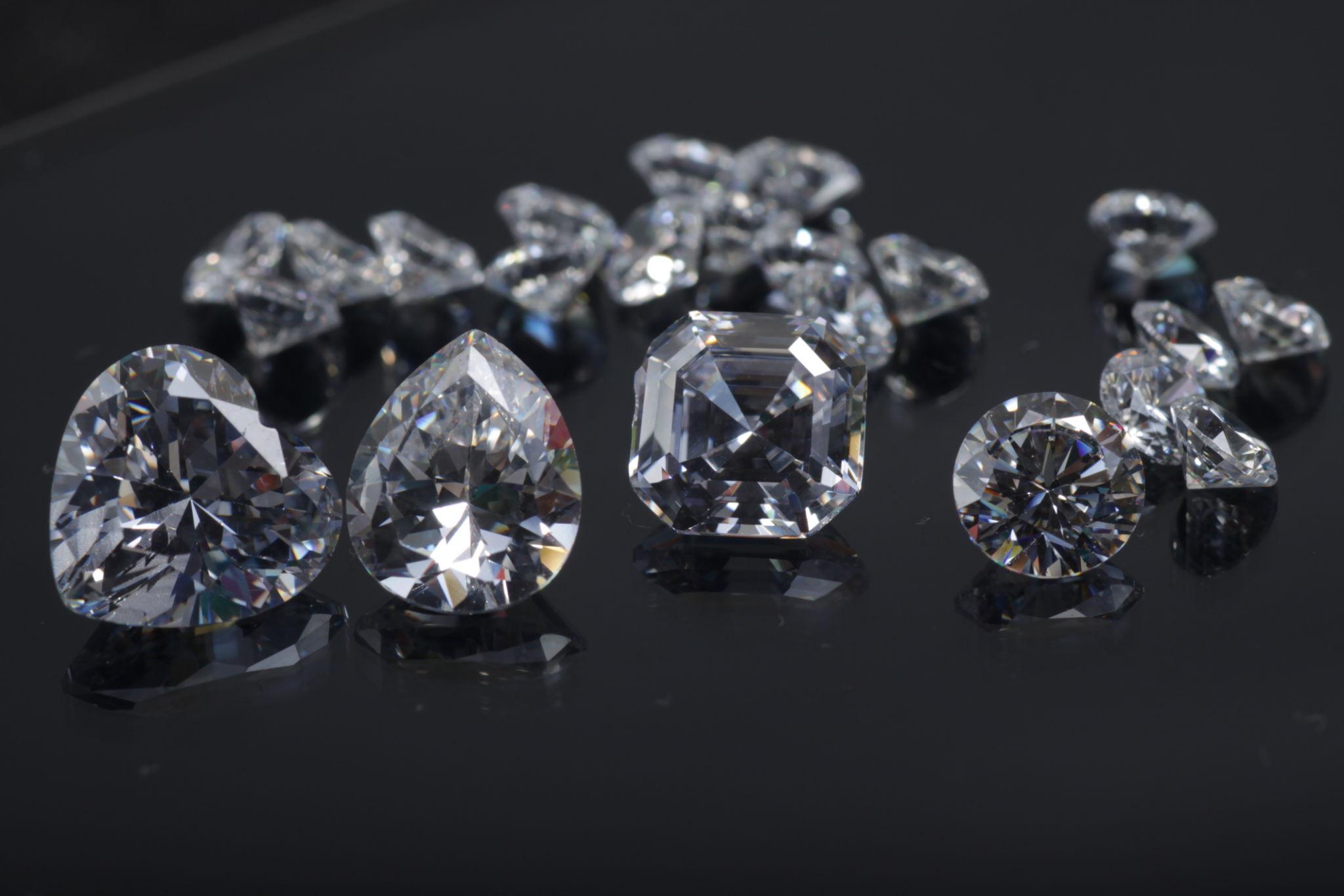
At first glance, cubic zirconia and diamonds can appear remarkably similar.
Both sparkle beautifully. Both are commonly used in rings and fine jewelry. Yet beneath the surface, they are fundamentally different in composition, durability, value, and long-term wear.
For anyone choosing an engagement ring or meaningful jewelry piece, understanding the distinction between CZ and diamonds is essential — because while they may look similar initially, they perform very differently over time.
What Is Cubic Zirconia (CZ)?

Cubic zirconia (CZ) is a man-made gemstone created from zirconium dioxide.
Developed in the 1970s as an affordable diamond simulant, CZ was designed to imitate the appearance of a diamond while remaining significantly more accessible in price.
Unlike natural or lab-grown diamonds, cubic zirconia:
-
Is not made of carbon
-
Does not share diamond’s crystal structure
-
Does not possess the same hardness or optical performance
Its appeal lies primarily in offering a diamond-like appearance at a fraction of the cost.
What Makes a Diamond Different?

Diamonds — whether natural or lab-grown — are composed entirely of carbon atoms arranged in a crystal lattice.
This unique structure gives diamonds their defining qualities:
-
Exceptional hardness
-
Brilliant light performance
-
Long-term durability
-
Timeless value
Both natural and lab-grown diamonds share the same:
-
Chemical composition
-
Optical properties
-
Physical characteristics
Explore our curated collection of GIA certified diamonds or learn more through our Diamond Education Guide.
Appearance — Diamond Brilliance vs CZ Sparkle

The visual difference between CZ and diamonds becomes more noticeable under close inspection.
Diamonds
Diamonds display:
-
Crisp white brilliance
-
Balanced fire
-
Sharp light reflection
Their sparkle appears refined and dimensional.
Cubic Zirconia
CZ tends to produce:
-
More rainbow-like flashes
-
Softer brilliance
-
A more “artificial” sparkle under certain lighting
Another distinction lies in clarity:
-
Most diamonds contain tiny natural inclusions
-
CZ stones are usually perfectly flawless
Ironically, this perfection can sometimes make CZ easier to identify.
✨ Explore Diamond Options Designed to Last
Speak with our team on WhatsApp
or Book a private consultation in Hong Kong
Durability — Why Diamonds Last Generations

One of the biggest differences between CZ and diamonds is durability.
Diamond
-
Mohs hardness: 10
-
Extremely resistant to scratches
-
Ideal for everyday wear
-
Maintains brilliance for decades
Cubic Zirconia
-
Mohs hardness: 8–8.5
-
More prone to scratching and cloudiness
-
Can lose brilliance over time
-
More vulnerable to chemicals and wear
For jewelry intended to be worn daily — especially engagement rings — durability becomes extremely important.
A diamond’s longevity is one of the reasons it remains the traditional choice for milestone jewelry.
Price — Why the Difference Is So Dramatic

Price is where cubic zirconia differs most dramatically from diamonds.
A 1-carat CZ stone may cost only a few dollars.
A 1-carat diamond, depending on:
-
Cut
-
Colour
-
Clarity
-
Certification
can range into the thousands.
However, long-term value matters:
-
Diamonds retain desirability and longevity
-
CZ often requires replacement over time as brilliance fades
For many clients, the decision becomes one of short-term affordability versus long-term investment and durability.
How to Tell the Difference Between CZ and Diamond

While CZ is designed to imitate a diamond, several details help distinguish them.
Brilliance vs Fire
Diamonds display balanced white brilliance.
CZ tends to show stronger rainbow effects.
Natural Inclusions
Most diamonds contain tiny inclusions visible under magnification.
CZ usually appears perfectly flawless.
Long-Term Appearance
Over time:
-
Diamonds maintain clarity and sparkle
-
CZ may become cloudy or dull
Understanding these differences helps buyers choose confidently based on their priorities.
When to Choose Diamond — And When CZ Makes Sense

Choose Diamond If:
-
The ring is for an engagement or milestone occasion
-
Long-term durability matters
-
You want a piece that lasts generations
-
You value craftsmanship and enduring beauty
Diamonds remain unmatched for heirloom jewelry and daily wear.
Consider CZ If:
-
You want a temporary or travel ring
-
Budget is the primary concern
-
The piece will only be worn occasionally
-
You enjoy trend-driven fashion jewelry
Both choices serve different purposes — and neither is inherently “wrong.” The best option depends entirely on lifestyle, priorities, and intention.
Luxury Is About Longevity, Not Just Appearance

While cubic zirconia can imitate the look of a diamond temporarily, diamonds offer something far more enduring:
-
Longevity
-
Rarity
-
Emotional significance
-
Timeless brilliance
At Mangrove Diamonds, we believe fine jewelry should feel as lasting as the moments it represents.
Explore our GIA certified diamond collection or book a private consultation in Hong Kong to find a piece designed to endure beautifully over time.
阅读更多
What Is Diamond Carat? — Understanding Weight, Size, and Value
When shopping for a diamond, few terms are more recognized — or more misunderstood — than carat. Many assume carat refers to the physical size of a diamond, when in reality, it measures something e...
阅读更多
How to Tell if a Diamond Is Real — Simple Ways to Spot Authentic Diamonds
A diamond’s brilliance is unmistakable — but with today’s diamond simulants becoming increasingly convincing, many people wonder how to tell whether a diamond is truly real. While only professional...
阅读更多