Moissanite vs. Diamond: What's the Difference and Which Stone Is Right for You?
As alternative gemstones become increasingly popular, one question continues to come up among engagement ring shoppers: Is moissanite the same as a diamond?
The short answer is no.
Although moissanite and diamonds can appear remarkably similar at first glance, they differ in composition, optical performance, durability, and value. Understanding these differences will help you choose the gemstone that best reflects your style, priorities, and budget.
Here's everything you need to know before making your decision.
What Is Moissanite?

Moissanite is a gemstone made from silicon carbide, a naturally occurring mineral first discovered in 1893 by Nobel Prize-winning chemist Henri Moissan.
Interestingly, the first moissanite crystals were found inside a meteorite crater in Arizona, leading to its nickname: "the gemstone born from the stars."
Natural moissanite is extraordinarily rare. Today, virtually all moissanite used in jewelry is grown in laboratories using advanced technology, allowing for consistent quality and traceable production.
Its exceptional brilliance and attractive price have made it a popular alternative for engagement rings and fine jewelry.
Is Moissanite a Real Diamond?

No. While moissanite is a genuine gemstone, it is not a diamond.
The key difference lies in their composition.
-
Natural and lab grown diamonds are composed entirely of carbon.
-
Moissanite is composed of silicon carbide.
Although they may appear similar at first glance, these different crystal structures produce noticeably different optical properties.
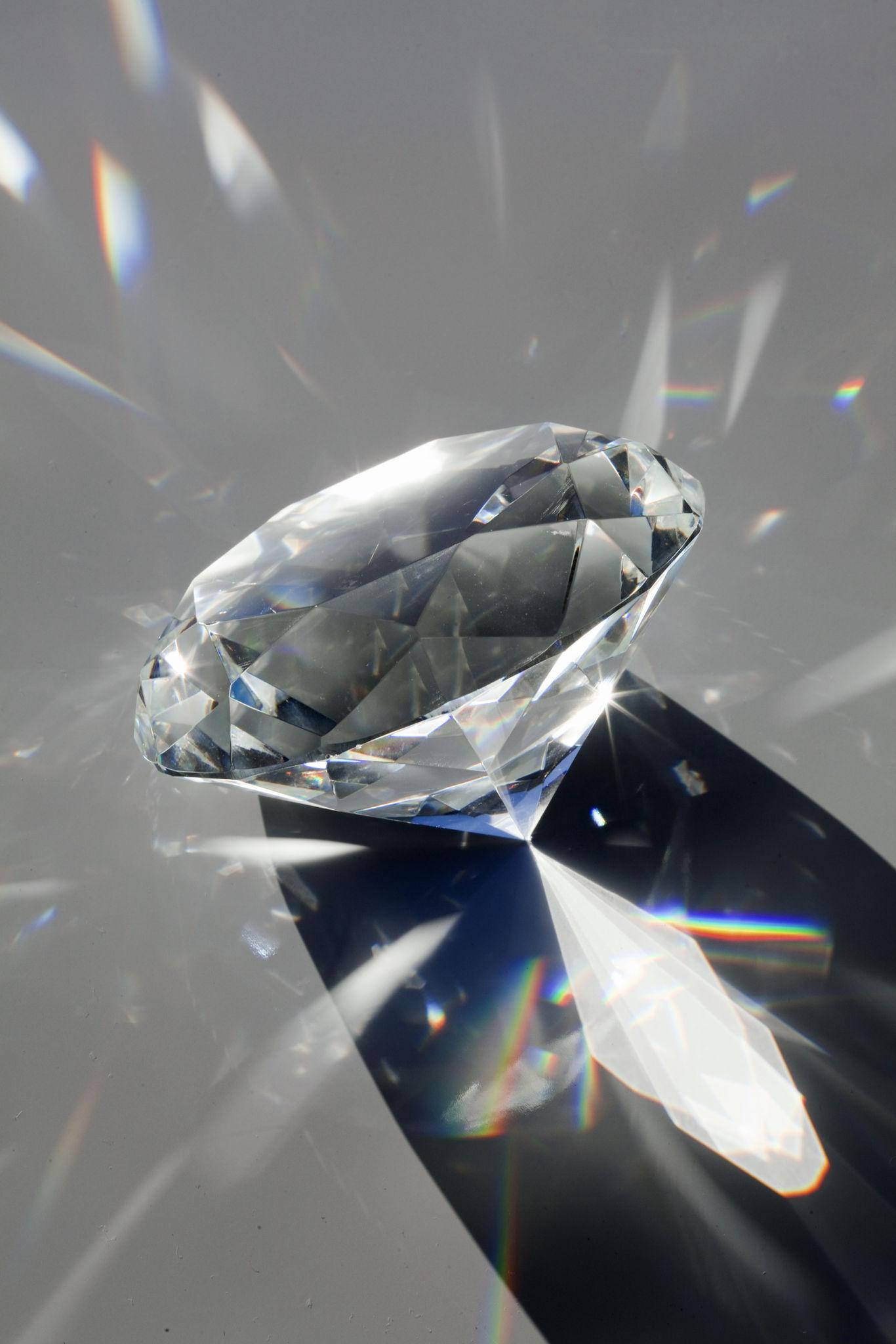
Diamonds are renowned for their balanced brilliance and crisp white sparkle, while moissanite produces more intense rainbow flashes of light.
If you'd like to understand how diamonds are evaluated, visit our Diamond Education Centre.
Diamond vs. Moissanite: How Do They Compare?

Although both gemstones are beautiful, their visual performance differs.
Brilliance
Both diamonds and moissanite reflect light exceptionally well.
However, diamonds produce a balanced combination of:
-
White light (brilliance)
-
Coloured flashes (fire)
-
Sparkling movement (scintillation)
This balance is one of the defining characteristics of a well-cut diamond.
Fire
Moissanite has a higher refractive index than diamond, producing significantly stronger rainbow flashes.
Some buyers love this dramatic "disco ball" effect, while others prefer the more natural appearance of a diamond.
Durability
Diamonds rank 10 on the Mohs hardness scale, making them the hardest known natural material.
Moissanite ranks 9.25, making it highly durable and suitable for everyday wear, though still slightly softer than diamond.
✨ Compare Stones With Confidence
Book a Private Consultation in Hong Kong
or
Chat with our diamond specialists on WhatsApp
We'll guide you through the differences between natural diamonds, lab grown diamonds, and moissanite to help you choose the perfect center stone.
Can You Tell the Difference by Looking?

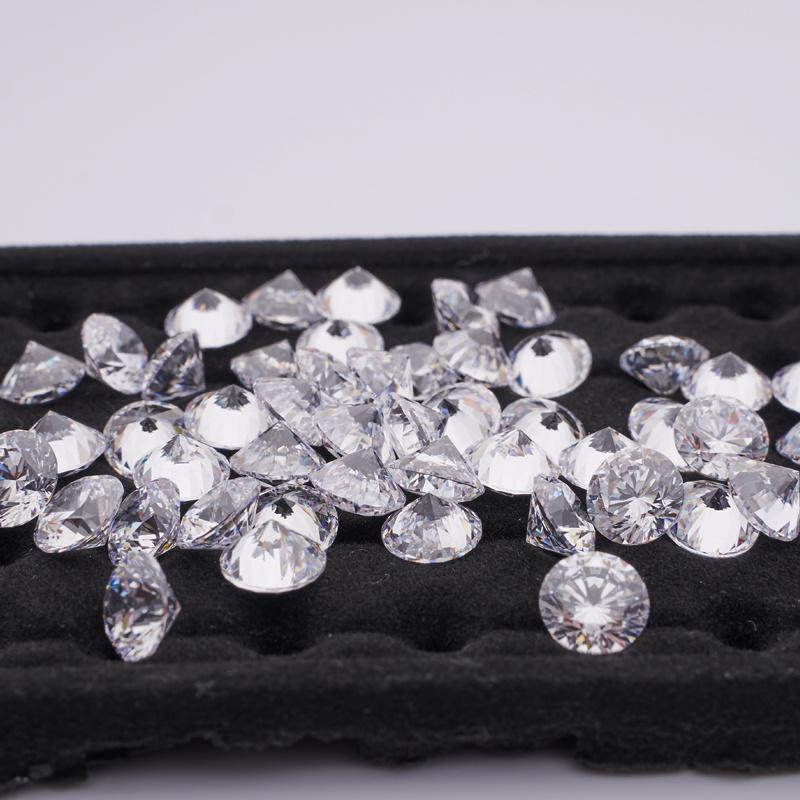
For most people, distinguishing a diamond from moissanite by eye can be surprisingly difficult.
The easiest comparison is to place two similarly sized stones side by side.
The most noticeable difference is usually the intensity of the rainbow flashes.
Larger moissanite stones often display considerably more colourful reflections than diamonds, particularly under direct lighting.
Professional gemologists can also identify moissanite by examining a feature known as facet doubling, which is not present in diamonds.
When certainty matters, professional testing remains the most reliable method.
How Is Moissanite Evaluated?

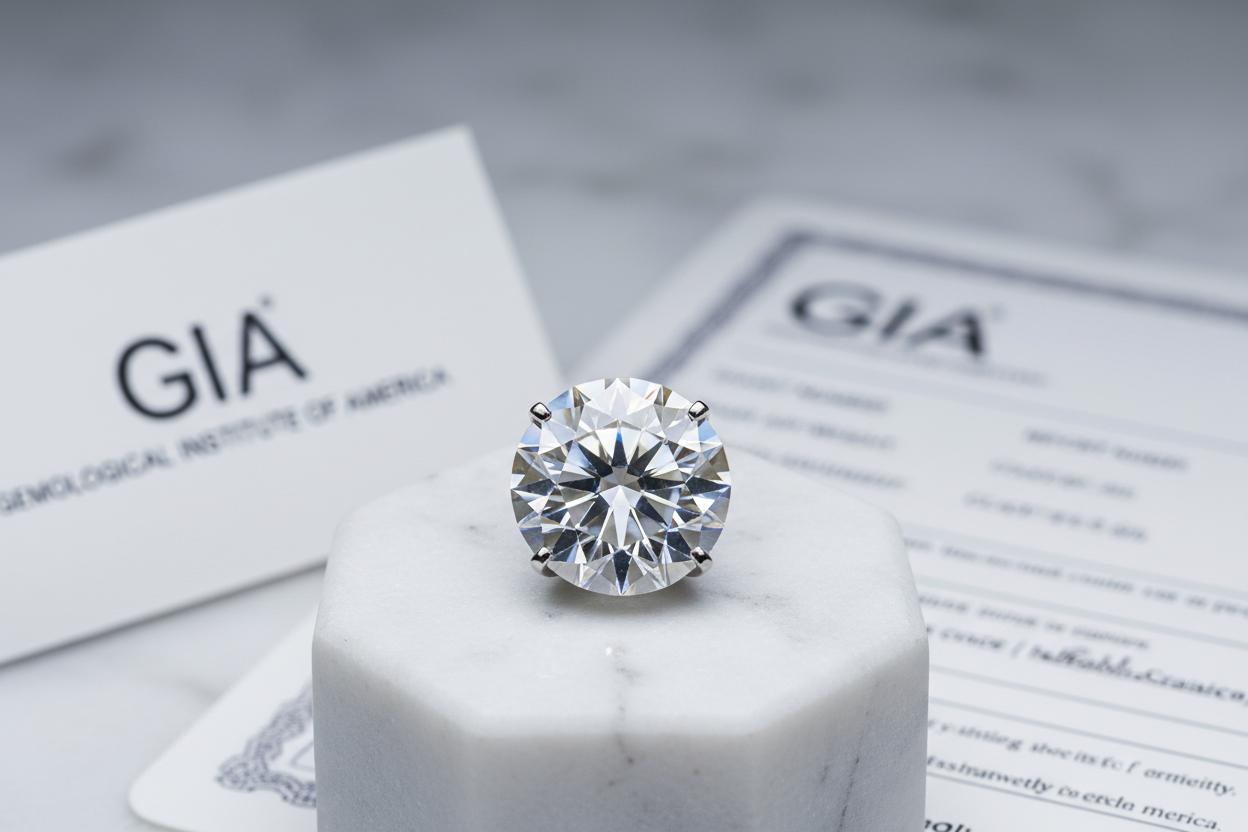
Unlike diamonds, moissanite is not graded using internationally recognised diamond grading reports such as GIA's 4Cs system.
Instead, manufacturers typically evaluate moissanite according to:
-
Cut
-
Colour
-
Clarity
Because laboratory production is highly controlled, quality variation between stones is generally smaller than with natural diamonds.
Many retailers classify moissanite into quality categories such as Premium and Super Premium, based primarily on colour.
Although certification standards differ from diamonds, choosing a reputable jeweler remains just as important.
Should You Choose Moissanite or a Diamond?
The right choice ultimately depends on what matters most to you.
Choose Moissanite if you:
-
Want a beautiful gemstone at a lower price point
-
Enjoy strong rainbow sparkle
-
Appreciate laboratory-created gemstones
-
Prefer maximizing size within your budget
Choose a Diamond if you:
-
Want a naturally rare gemstone
-
Appreciate timeless tradition
-
Prefer the classic balance of brilliance and fire
-
Value internationally recognised grading and certification
-
Are looking for a stone with enduring prestige and heritage
At Mangrove Diamonds, we believe there is no one-size-fits-all answer—only the right choice for your personal story.
Beauty Begins With Understanding
Both moissanite and diamonds offer exceptional beauty, but they represent different experiences.
Moissanite provides impressive brilliance and excellent value, while natural diamonds offer unmatched rarity, geological history, and timeless appeal.
Understanding the differences allows you to choose confidently—whether you're celebrating an engagement, marking a milestone, or investing in a piece you'll treasure for years to come.
阅读更多
Lab Grown vs. Natural Diamonds: What's the Difference and Which One Is Right for You?
As lab grown diamonds continue to grow in popularity, many buyers find themselves asking the same question: Are lab grown diamonds real? The answer is yes—they are real diamonds. In fact, lab grown...
阅读更多