

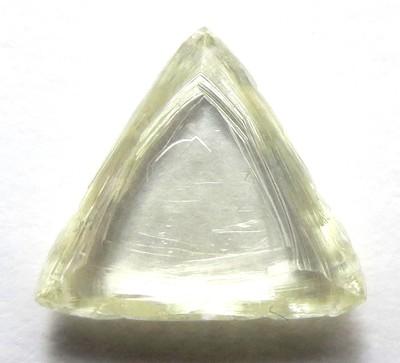
What Is a Macle Diamond? The Rare Diamond Formation Behind Many Fancy Shape Diamonds
Most diamond lovers are familiar with a diamond's sparkle, cut, and carat weight. Few, however, have ever seen the remarkable crystal structures that exist before a diamond reaches the polishing wheel.
Among the most fascinating forms of natural diamond rough is the macle diamond — a rare crystal formation prized by gemologists, diamond cutters, and collectors alike. Its distinctive triangular shape and unique growth pattern make it one of nature's most extraordinary diamond creations.
Understanding macle diamonds not only reveals the complexity of natural diamond formation but also offers a deeper appreciation for the craftsmanship behind many of today's most beautiful fancy-shaped diamonds.
What Is a Macle Diamond?

A macle diamond is a naturally twinned diamond crystal.
Unlike a standard octahedral rough diamond, which forms as a single crystal, a macle develops when two diamond crystals grow together along a shared crystal plane. This process creates a distinctive flattened triangular shape that immediately stands out from conventional rough diamonds.
The term "macle" originates from the French word for "twin," reflecting the crystal's unique structure.
In some diamond-producing regions, particularly in South Africa, macle diamonds can represent a significant portion of natural rough production. Their rarity and unusual geometry make them especially valuable to cutters seeking specific polished diamond shapes.
Why Diamond Cutters Value Macle Diamonds

Not all rough diamonds are equally suited for every cut.
Because of their flattened structure, macle diamonds often provide excellent starting material for creating:
-
Pear-shaped diamonds
-
Heart-shaped diamonds
-
Marquise diamonds
-
Trillion diamonds
-
Custom fancy-cut diamonds
Rather than fighting against the natural crystal structure, skilled cutters work with it to maximise both beauty and yield.
This is one reason why many exceptional fancy-shaped diamonds begin their journey as macle rough.
Explore our collection of Fancy Shape Diamonds
or discover how our Bespoke Jewelry Service transforms exceptional diamonds into one-of-a-kind creations.
✨ Looking for a Unique Diamond?
Chat with our team on WhatsApp
or Book a Private Consultation in Hong Kong
The Science Behind the Unique Shape

For decades, scientists believed the distinctive flat shape of macle diamonds was primarily caused by accelerated growth at areas known as re-entrant corners — locations where the two crystal sections meet.
Recent research has revealed a more complex story.
By examining both external crystal features and internal growth structures, researchers discovered that another mechanism may also play an important role. Areas known as salient corners, located opposite the re-entrant corners, appear to influence growth as well.
This finding helps explain why some macle diamonds develop flatter profiles and more complex crystal structures than previously understood.
For diamond enthusiasts, these discoveries highlight something remarkable: every natural diamond contains a unique geological history recorded within its crystal structure.
What Macle Diamonds Reveal About Natural Diamond Formation

One of the most fascinating aspects of the study was the connection between crystal shape and changing growth conditions deep within the Earth.
Researchers found that variations in carbon availability during formation likely influenced how different macle diamonds developed over time.
This means that the crystal's shape may preserve evidence of environmental changes that occurred millions — or even billions — of years ago.
Much like growth rings in a tree, internal diamond growth structures can provide clues about the conditions present during the crystal's formation.
This is one reason natural diamonds remain so compelling: each stone represents a geological journey unlike any other.
Learn more through our Diamond Education Centre
and discover how natural diamonds develop their unique characteristics.
From Rare Rough Crystal to Extraordinary Diamond

While most consumers never encounter a rough macle crystal, its influence often remains visible in the finished diamond.
Many of today's most sought-after fancy shapes owe their proportions and beauty to the unique geometry of the original rough stone.
When paired with expert planning and precision cutting, these crystals can produce diamonds with exceptional visual appeal and individuality.
At Mangrove Diamonds, we carefully source and select GIA Certified Diamonds
for their beauty, performance, and long-term value.
Whether you're searching for a timeless engagement ring or a distinctive fancy-shaped diamond, understanding the journey from rough crystal to polished gem adds a deeper layer of appreciation to every stone.
Nature's Blueprint for Beauty
Macle diamonds remind us that the story of a diamond begins long before it enters a jewelry showcase.
Their rare twin-crystal formation, unique triangular shape, and complex growth history offer a fascinating glimpse into the forces that shape natural diamonds deep within the Earth.
At Mangrove Diamonds, we believe understanding a diamond's origin is part of appreciating its beauty.
Explore our collection of GIA Certified Natural Diamonds or
book a private consultation in Hong Kong to find a diamond that reflects both nature's artistry and your personal story.
閱讀更多
Black Diamond Buying Guide — Everything You Need to Know Before Choosing One
Mysterious, unconventional, and undeniably striking, black diamonds have evolved from overlooked curiosities into one of the most distinctive choices in modern fine jewelry. Today, they are increas...
閱讀更多
Fracture-Filled Diamonds: What Every Diamond Buyer Should Know Before Purchasing
When purchasing a diamond, most buyers focus on the famous 4Cs — cut, color, clarity, and carat weight. However, another factor can significantly impact a diamond's value, durability, and long-term...
閱讀更多