

Can Strong Phosphorescence Mean a Diamond Is Lab-Grown? Not Always.
As diamond identification technology continues to evolve, gemologists are discovering that nature can sometimes surprise even the most experienced professionals.
One fascinating example involves a rare natural diamond that displayed strong blue phosphorescence—a characteristic more commonly associated with laboratory-grown diamonds. At first glance, this unusual behavior could easily have led to the wrong conclusion.
The case serves as an important reminder that while certain optical properties can provide valuable clues, no single characteristic should ever be used to determine a diamond's origin.
Here's why advanced gemological testing remains essential.
What Is Diamond Phosphorescence?

Phosphorescence is the phenomenon where a diamond continues to emit light even after the ultraviolet (UV) light source has been removed.
Unlike fluorescence—which disappears almost instantly when UV exposure ends—phosphorescence can remain visible for several seconds or even minutes.
This optical effect is relatively uncommon and depends on the presence of specific trace elements and structural characteristics within the diamond's crystal lattice.
Because strong phosphorescence has traditionally been observed in many HPHT laboratory-grown diamonds, it has become one of several features gemologists evaluate during the identification process.
Learn more about diamond characteristics through our Diamond Education Centre.
A Rare Natural Diamond That Challenged Expectations
During a recent laboratory examination, gemologists studied an exceptional 2.50-carat D Colour, VS1 clarity oval diamond that displayed unusually strong blue phosphorescence lasting for more than one minute.
At first glance, this behaviour closely resembled that of many HPHT laboratory-grown diamonds.
However, further analysis told a very different story.
Advanced testing confirmed that the stone was a natural diamond, demonstrating that phosphorescence alone cannot determine a diamond's origin.
This remarkable case highlights how nature can sometimes produce characteristics previously thought to be exclusive to laboratory-grown diamonds.
Browse our collection of GIA Certified Natural Diamonds, where every stone is independently verified for authenticity.
✨ Buy With Complete Confidence
Book a Private Consultation in Hong Kong
or
Speak with our diamond specialists on WhatsApp
Our experts will help you understand certification, diamond origin, and quality before you make your purchase.
Why One Test Is Never Enough
Although the diamond exhibited strong phosphorescence, several advanced laboratory techniques revealed important differences from laboratory-grown diamonds.
Gemologists used sophisticated analytical methods including:
-
Infrared spectroscopy (FTIR)
-
Photoluminescence (PL) analysis
-
DiamondView imaging
-
Microscopic examination of growth structures
Together, these tests demonstrated that the diamond lacked the characteristic growth patterns commonly associated with HPHT-grown diamonds.
Instead, researchers identified subtle natural trace elements and crystal features that confirmed its natural origin.
This layered approach illustrates why professional laboratories rely on multiple testing methods rather than a single visual observation.
Natural Diamonds Can Be More Complex Than We Think

One of the most interesting discoveries in this study involved the diamond's temporary response after deep ultraviolet exposure.
Researchers observed that the stone briefly displayed characteristics normally associated with Type IIb diamonds, before gradually returning to its original state.
This temporary behaviour was linked to trace amounts of boron within the crystal structure—levels so small they became detectable only under specific testing conditions.
Rather than indicating laboratory growth, this phenomenon reflects the extraordinary complexity of natural diamond formation.
Every natural diamond develops under unique geological conditions over billions of years, resulting in subtle differences that make each stone truly one of a kind.
Learn more about natural diamond formation through our Diamond Education Guide.
Why GIA Certification Matters

Cases like this demonstrate why independent certification is so important.
While certain characteristics—such as phosphorescence, fluorescence, or trace elements—can provide valuable information, none should be considered definitive on their own.
Professional laboratories evaluate a combination of:
-
Growth structure
-
Optical properties
-
Spectroscopic data
-
Internal characteristics
-
Trace element analysis
Only by considering the complete picture can experts accurately determine whether a diamond is natural or laboratory-grown.
This is why purchasing a GIA Certified Diamond provides confidence that every important characteristic has been carefully examined using internationally recognised standards.
Explore our GIA Certified Diamond Collection to shop with complete peace of mind.
Knowledge Builds Confidence
Every diamond tells a unique story.
Some stories are straightforward, while others—like this remarkable natural diamond—challenge long-held assumptions within gemology.
For buyers, the lesson is simple: appearances and individual characteristics can be misleading. True confidence comes from expert evaluation, advanced laboratory testing, and transparent certification.
At Mangrove Diamonds, every carefully selected diamond is chosen for its beauty, authenticity, and verified quality.
Whether you're searching for an engagement ring or an investment-grade diamond, book a private consultation in Hong Kong.
閱讀更多
Fracture-Filled Diamonds: What Every Diamond Buyer Should Know Before Purchasing
When purchasing a diamond, most buyers focus on the famous 4Cs — cut, color, clarity, and carat weight. However, another factor can significantly impact a diamond's value, durability, and long-term...
閱讀更多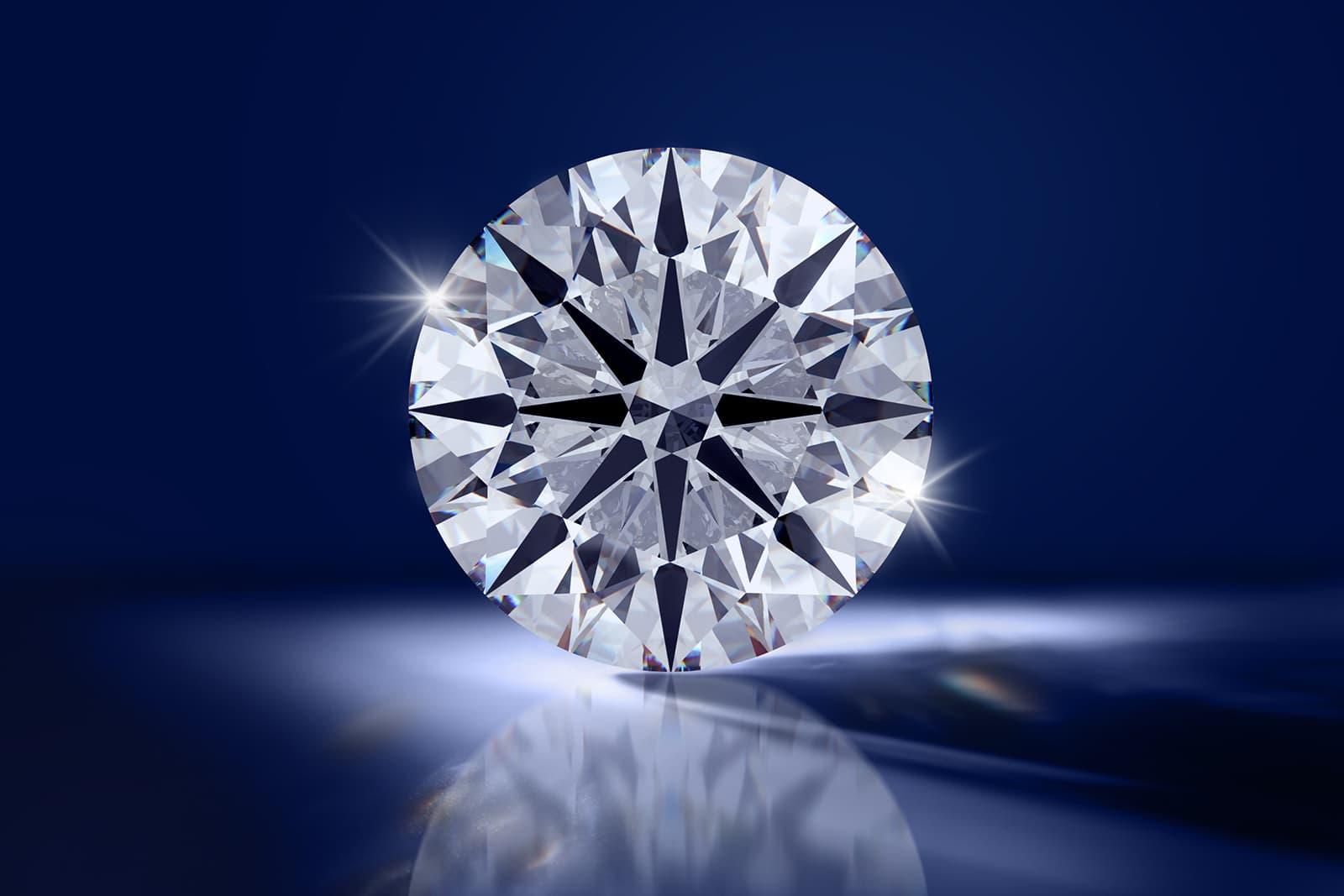
How to Tell If a Diamond Is Real: Expert Tips Every Buyer Should Know
Buying a diamond is a meaningful investment, whether you're celebrating an engagement, marking a milestone, or adding to your jewelry collection. Naturally, one of the first questions many buyers a...
閱讀更多