


Which Hand Does a Wedding Ring Go On? Ring Finger Traditions Around the World
Few jewelry traditions are as universally recognized as wearing a wedding ring on the ring finger. Yet while many people assume there is one correct way to wear an engagement ring or wedding band, traditions vary widely across cultures, religions, and countries.
From the romantic legend of the "vein of love" to modern ring-stacking trends, understanding ring placement offers fascinating insight into centuries of symbolism and evolving customs.
Whether you're preparing for a proposal, planning your wedding, or simply curious about ring traditions, this guide explains everything you need to know about engagement ring and wedding band placement around the world.
The History of the Ring Finger Tradition

The tradition of wearing rings as symbols of love dates back thousands of years.
Ancient civilizations viewed the circular shape of a ring as a representation of eternity — with no beginning and no end. The ring symbolized an unbroken bond, making it the perfect representation of lifelong commitment.
One of the most enduring legends is the concept of the "vena amoris", or "vein of love." Ancient Romans believed that a vein ran directly from the fourth finger of the left hand to the heart.
Although modern anatomy has disproven this belief, its romantic symbolism has survived for centuries and continues to influence wedding traditions today.
The earliest known engagement and wedding rings date back to approximately 3000 BCE in ancient Egypt, where couples exchanged rings made from woven reeds and leather. Later, the Romans adopted metal rings made from iron and eventually gold, creating more durable symbols of marriage.
By the Renaissance period, the left-hand ring finger had become firmly associated with marriage throughout much of Western Europe. In the 16th century, King Edward VI of England formally recognized the fourth finger of the left hand as the traditional location for wedding rings, helping establish a custom that remains widespread today.
What Hand Does a Wedding Ring Go On?
The answer depends largely on where you live and the traditions you follow.
Western Countries: The Left Hand Tradition

In many Western countries, wedding rings are traditionally worn on the fourth finger of the left hand, including:
-
United States
-
United Kingdom
-
France
-
Italy
-
Canada
-
Australia
-
New Zealand
This placement reflects the historical belief in the vena amoris and has become one of the most recognizable symbols of marriage worldwide.
Today, most engagement rings and wedding bands in these countries are worn together on the left-hand ring finger.
Eastern and Central European Traditions: The Right Hand

Many countries traditionally wear wedding rings on the right hand, including:
-
Germany
-
Austria
-
Norway
-
Hungary
-
Poland
-
Greece
-
Netherlands
-
Spain
In countries influenced by Orthodox Christianity, the right hand is often considered the hand of blessing, honor, and oath-taking.
As a result, wedding rings are commonly worn on the right ring finger as a symbol of marital commitment.
💍 Looking for the Perfect Wedding Ring?
Explore our Wedding Band Collection or
Book a private consultation via WhatsApp
Our specialists can help you find a wedding band that complements your engagement ring and personal style.
Unique Wedding Ring Traditions Around the World
India

In India, wedding symbolism extends beyond rings.
Depending on the region and cultural background, married women may wear:
-
Wedding rings
-
Mangalsutra necklaces
-
Toe rings (bichiya)
-
Traditional bridal jewelry
Ring placement varies significantly across communities and family traditions.
China
In China, ring placement may reflect the philosophy of yin and yang.
Traditionally:
-
Men may wear wedding rings on the left hand.
-
Women may wear wedding rings on the right hand.
This balance symbolizes harmony between masculine and feminine energies.
Brazil & Colombia
Many couples in Brazil and Colombia wear engagement bands on the right hand before marriage.
After the wedding ceremony, the rings are moved to the left hand, symbolizing the transition from engagement to marriage.
Middle East & Africa
Traditions vary significantly across regions.
Some cultures prefer:
-
Right-hand placement due to religious symbolism.
-
Left-hand placement influenced by Western customs.
-
Alternative jewelry traditions unique to local cultures.
What Hand Does an Engagement Ring Go On?

In most Western countries, engagement rings are traditionally worn on the left-hand ring finger.
This placement aligns with wedding ring traditions and symbolizes a direct connection to the heart.
However, customs vary worldwide:
Germany & Netherlands
Engagement rings are often worn on the left hand before marriage and moved to the right hand after the wedding.
Brazil & Colombia
Engagement rings may begin on the right hand before moving to the left after marriage.
Scandinavian Countries
Both partners frequently wear engagement rings, often on the left hand.
Engagement Ring Finger vs. Wedding Ring Finger
In most Western cultures, both rings share the same finger:
Fourth finger of the left hand
The engagement ring symbolizes the promise of marriage.
The wedding band symbolizes the marriage itself.
Wearing them together represents the journey from proposal to lifelong commitment.
However, modern couples increasingly personalize this tradition.
Some choose:
-
Engagement ring on one hand
-
Wedding band on the other
-
Different fingers entirely
-
Additional anniversary bands
-
Eternity ring stacks
There is no longer a universal rule — only personal preference.
How to Wear Your Engagement Ring and Wedding Band Together
Traditional Order

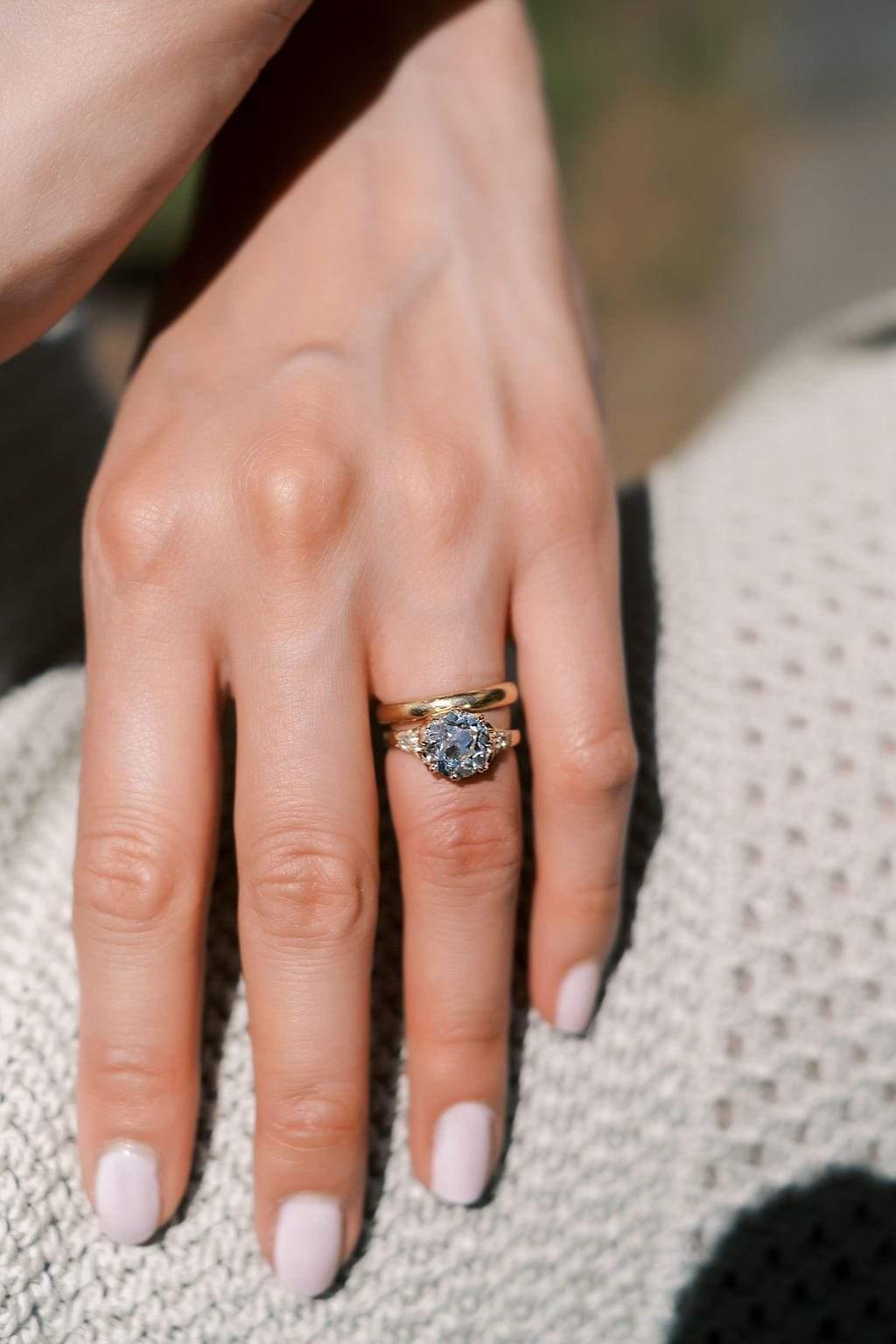
The most traditional arrangement places:
-
Wedding band first (closest to the heart)
-
Engagement ring second
This symbolizes the marriage bond being closest to the heart.
Many brides continue to follow this tradition today.
Reverse Order
Some people prefer:
-
Engagement ring first
-
Wedding band second
This arrangement may work better depending on ring design or comfort preferences.
Separate Hands
For larger engagement rings or highly detailed designs, some individuals wear:
-
Engagement ring on the left hand
-
Wedding band on the right hand
This allows each piece to stand on its own while improving comfort.
Soldered Bridal Sets
Some couples permanently join their engagement ring and wedding band together.
Benefits include:
-
Perfect alignment
-
Reduced spinning
-
Greater security
-
Symbolic permanence
Adding Anniversary & Eternity Rings
Many couples eventually add additional bands to commemorate milestones.
A common stacking order is:
-
Wedding band
-
Engagement ring
-
Eternity ring
This creates a layered bridal stack that evolves with your relationship.
Explore our Eternity Ring Collection
or browse our Diamond Wedding Bands.
Who Wears Engagement Rings and Wedding Rings?
Historically, engagement rings were primarily worn by women.
Today, traditions have become much more flexible.
Many modern couples choose to:
-
Exchange engagement rings
-
Wear matching wedding bands
-
Create custom ring traditions
-
Select complementary designs rather than identical styles
Men's engagement rings have also become increasingly popular as couples seek more equal expressions of commitment.
Modern Ring Traditions: Personal Meaning Matters Most

While the left-hand ring finger remains the most recognized location for engagement and wedding rings, traditions differ across cultures, religions, and generations.
Today, many couples prioritize:
-
Personal style
-
Comfort
-
Lifestyle
-
Cultural heritage
over strict adherence to historical customs.
Whether you wear your rings on the left hand, right hand, stack them together, or choose an entirely unique approach, the meaning behind the jewelry remains the same.
The ring is simply a symbol.
The commitment it represents is what truly matters.
Find Your Perfect Ring
Whether you're planning a proposal, shopping for wedding bands, or creating a custom bridal stack, our team can help you find a design that reflects your story.
Explore our Engagement Ring Collection
or Book a private consultation via WhatsApp today.
阅读更多
What Is a Wedding Band? A Complete Guide to Choosing the Perfect Wedding Ring
A wedding band is far more than a piece of jewelry. Exchanged during the wedding ceremony, it symbolizes commitment, partnership, and the beginning of a shared future. Unlike engagement rings — whi...
阅读更多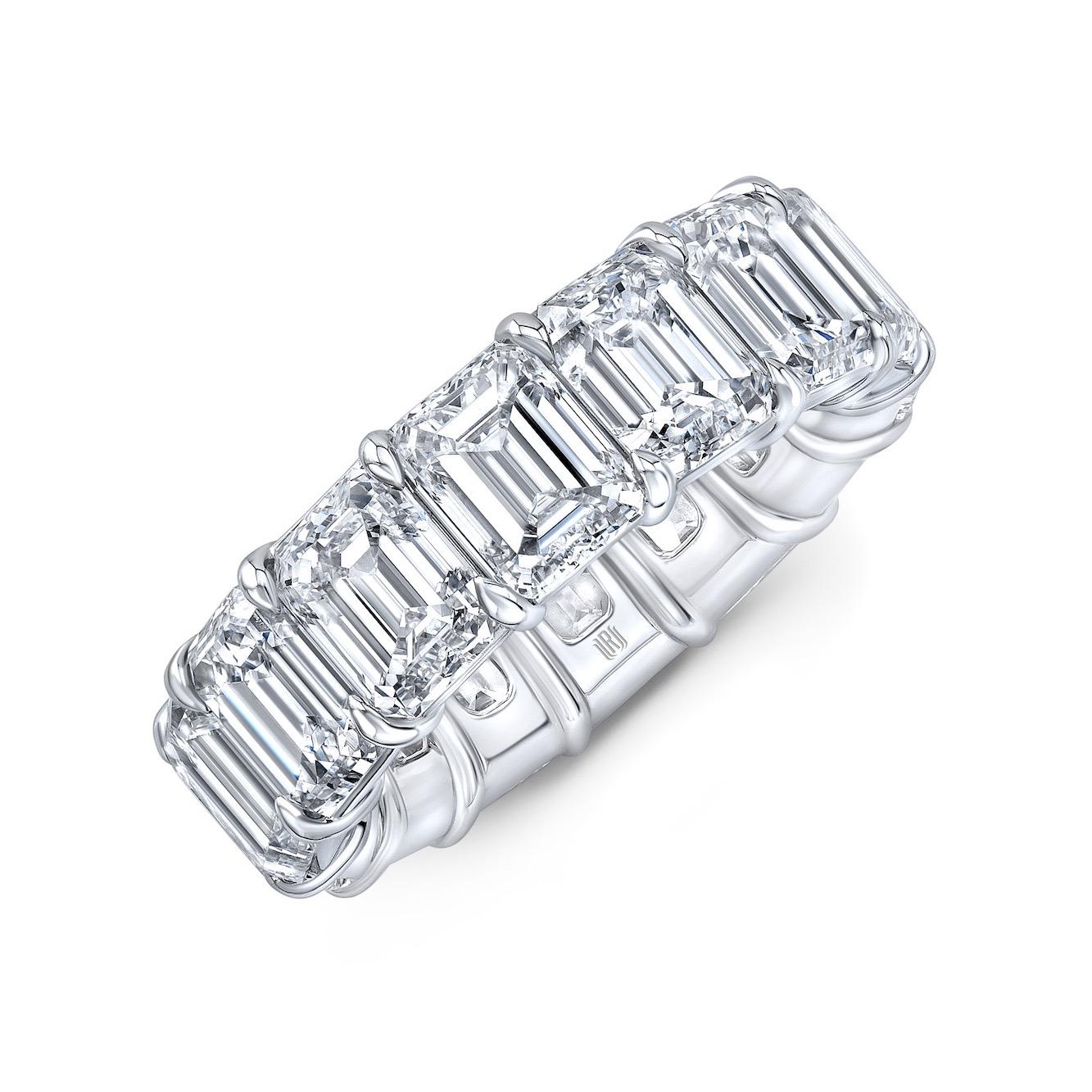
Wedding Ring Trends 2026 — The New Era of Modern Commitment
For decades, wedding bands were often viewed as the quieter counterpart to the engagement ring. In 2026, that distinction is rapidly disappearing. Today's wedding bands are no longer simply symbols...
阅读更多