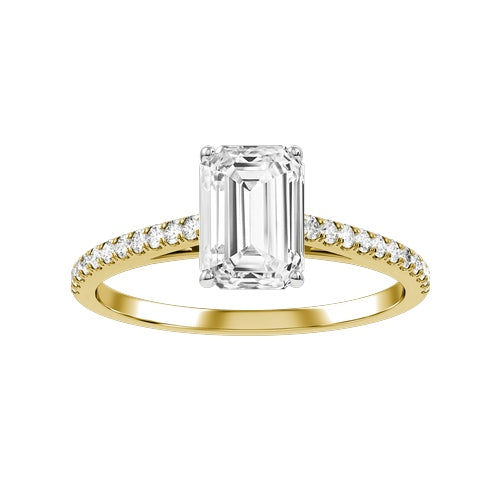
An engagement ring may appear to be a simple combination of a beautiful gemstone and a precious metal band. Yet beneath its elegant appearance lies a carefully constructed structure, with every component serving a particular purpose.
From the centre stone that captures attention to the small metal details that keep it securely in place, each part contributes to the ring's overall appearance, comfort and durability.
Understanding engagement ring anatomy is especially valuable when choosing a ring. It helps you describe the designs you love, compare different settings and ask more informed questions before making an important purchase.
Whether you are considering a timeless solitaire, a diamond halo or a custom-designed engagement ring, here are the eight essential components worth knowing.

Book a Private Consultation in Hong Kong
or
Speak with our diamond specialists on WhatsApp
The Two Main Components of an Engagement Ring
Before exploring the individual details, it helps to understand the two fundamental elements that make up most engagement rings: the centre stone and the setting.
1. The Centre Stone: The Heart of the Ring
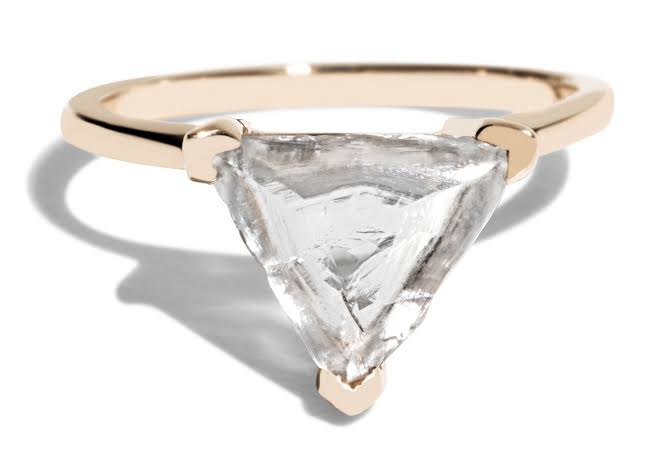
The centre stone is the focal point of an engagement ring. It is typically the most visually prominent element and often represents the most significant part of the ring's overall value.
Diamonds remain a classic choice, appreciated for their brilliance, durability and enduring symbolism. However, coloured gemstones such as sapphires and emeralds offer another way to express individuality and personal meaning.
The centre stone influences much more than the ring's appearance. Its shape, dimensions, colour and overall quality help determine the proportions and design possibilities of the entire piece.
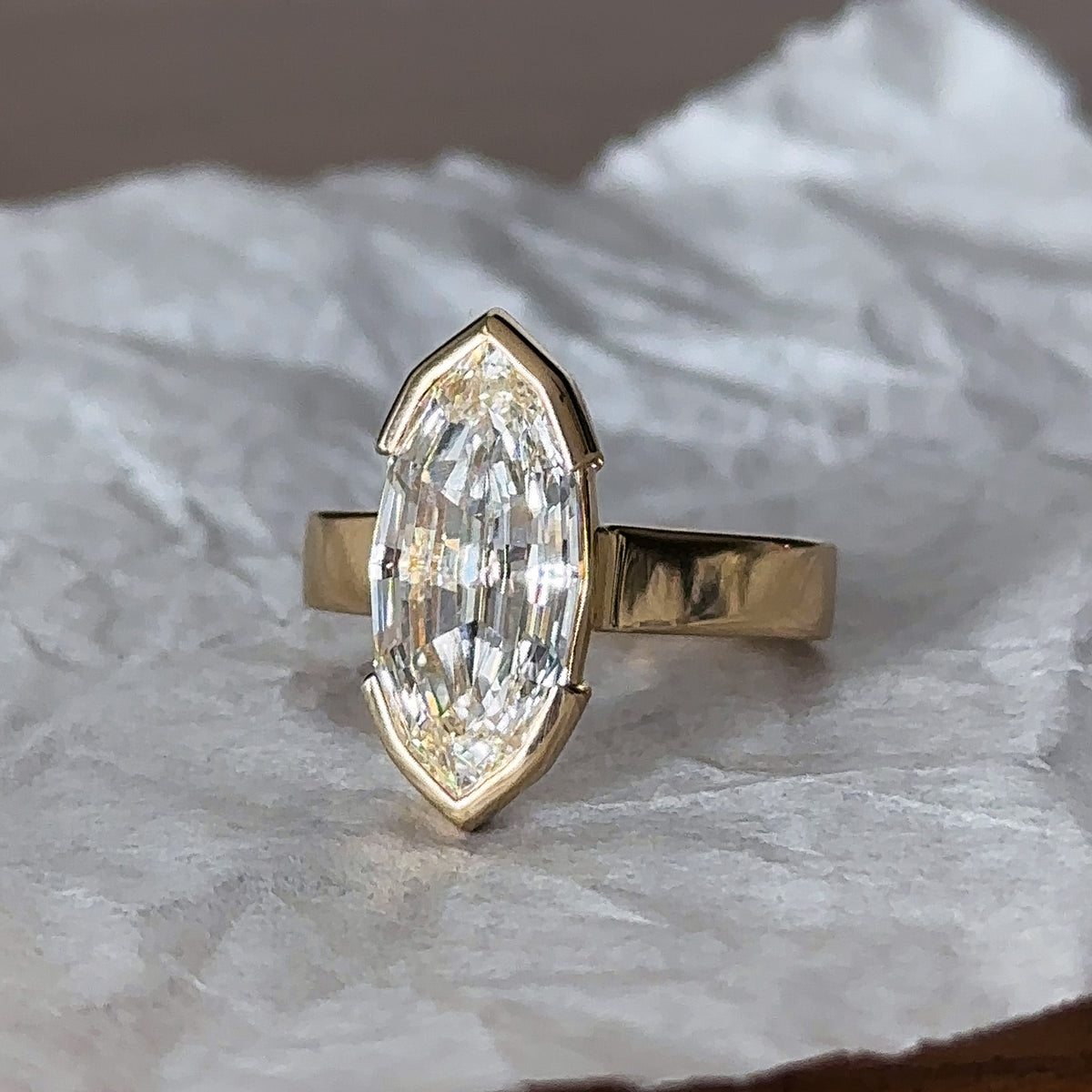
For example, an elongated oval or pear-shaped diamond can create a different visual impression from a traditional round brilliant. The choice of gemstone also influences which setting and proportions will best complement it.
2. The Setting: The Structure That Brings Everything Together
The setting is the metal framework that holds the centre stone and forms the ring's overall structure.
It includes several components, such as the head, prongs, gallery, shoulders and shank. These elements work together to support the gemstone while establishing the ring's silhouette and character.
A setting does more than secure a diamond. It determines how high the stone sits, how much of it remains visible, how the ring feels on the finger and how well it suits everyday activities.
The relationship between the centre stone and its setting is therefore essential. Even two rings featuring diamonds of identical shape and carat weight can look remarkably different because of their setting designs.

The 8 Essential Parts of an Engagement Ring
Let's explore the ring from the centre stone down to the bottom of the band.
1. Head: The Structure Holding the Centre Stone
The head is the uppermost part of the ring, positioned above the band to hold the centre stone securely. It incorporates the prongs, bezel or other metal elements responsible for supporting the gemstone.
One of its most important design characteristics is height.
A high-set head raises the centre stone above the finger, creating a more prominent profile and allowing greater exposure around the gemstone. However, this design may be more likely to catch on clothing or other objects.
A low-set head places the stone closer to the finger, producing a streamlined appearance that many people find practical for everyday wear.
The ideal head height depends on the shape and size of the centre stone, the desired appearance and the wearer's lifestyle.
Book a Private Consultation in Hong Kong
or
Speak with our diamond specialists on WhatsApp
2. Prongs: Small Details That Protect a Valuable Stone
Prongs are the small metal arms that hold the centre stone in place. They extend from the head and grip the gemstone at carefully selected points.
Four-prong and six-prong settings are among the most common configurations. The number, shape, size and placement of the prongs influence both the security of the stone and how much of its surface remains visible.
Fewer or finer prongs can create a more open appearance, allowing the gemstone to take centre stage. Additional prongs provide more points of contact, although the overall security still depends on the quality of the setting and its construction.
Because prongs experience regular contact and wear, they should be inspected periodically by a professional jeweller. A loose or damaged prong can put the centre stone at risk.
3. Gallery: The Hidden Beauty Beneath the Stone
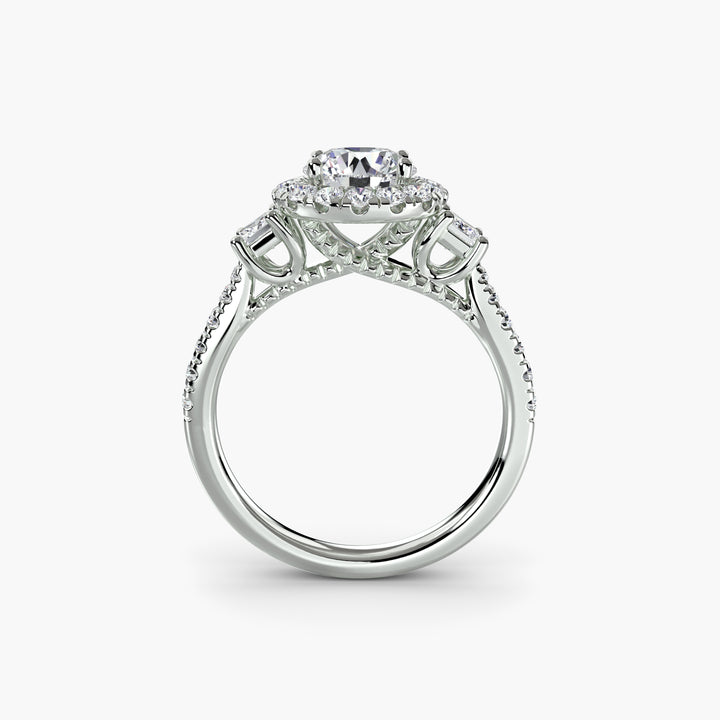
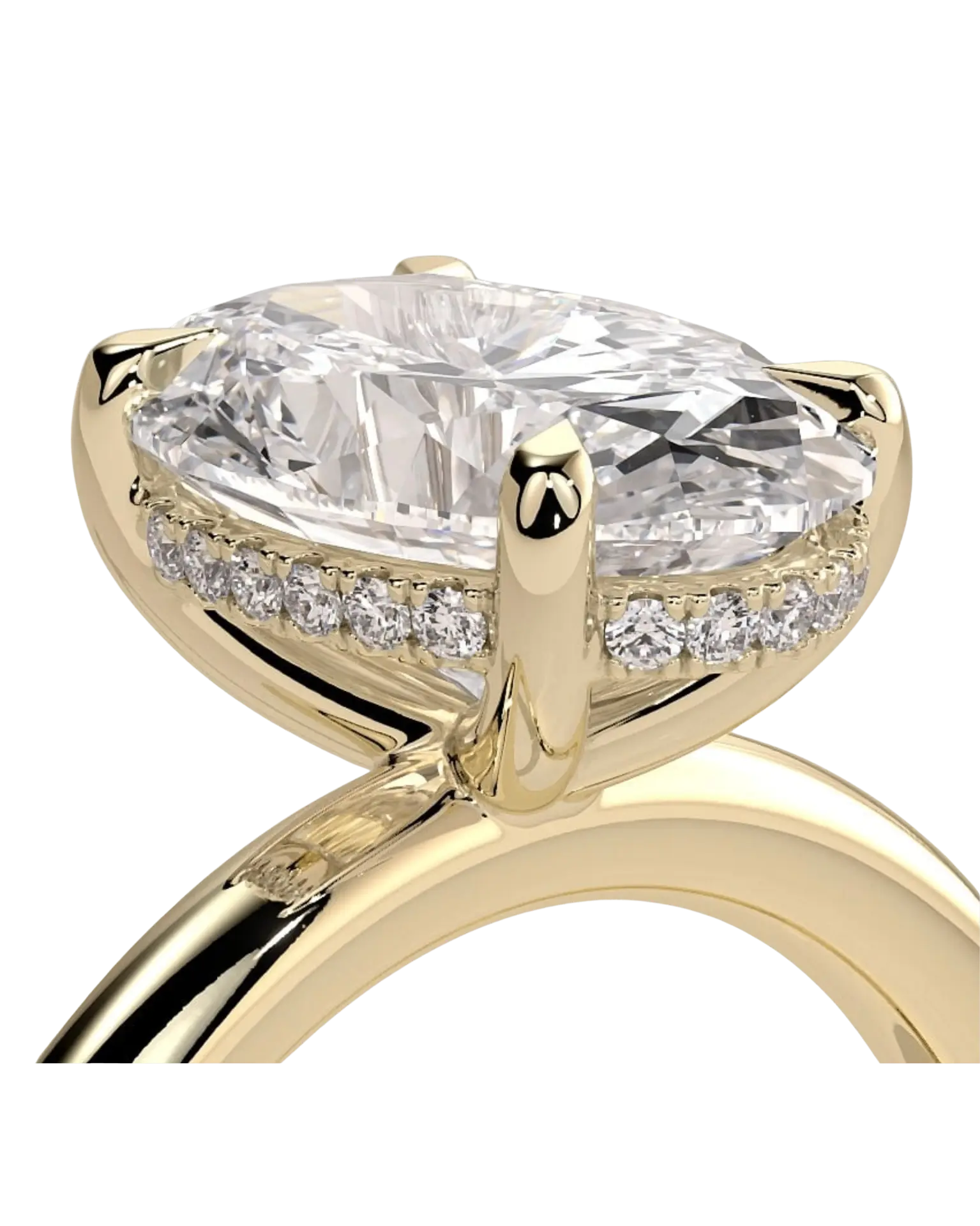
The gallery is the area beneath the centre stone, forming part of the setting's structure and side profile.
It provides support for the head while leaving space beneath the gemstone. Depending on the design, this area may feature open sections, delicate metalwork or decorative details.
Some galleries are deliberately minimal, creating a clean and contemporary appearance. Others incorporate intricate patterns or hidden design elements that are visible mainly when the ring is viewed from the side.
A thoughtfully designed gallery contributes to the ring's visual identity without distracting from the centre stone.
For buyers who appreciate craftsmanship, this is one of the details worth examining closely. Although it may not be immediately noticeable from above, the gallery can make a meaningful difference to the finished design.
4. Shoulders: Connecting the Band to the Centre
The shoulders are the upper sections of the band that rise towards the head of the ring.
They create a visual transition between the shank and the centre setting, helping establish the ring's overall proportions.
Shoulder designs can be straight, tapered, twisted or decorated with smaller accent stones. Each variation creates a different impression.
For instance, tapered shoulders can draw attention towards the centre stone, while wider or more substantial shoulders may give the ring a bolder appearance.
Even subtle differences in shoulder width and shape can change how prominent the centre stone looks when viewed from above.
5. Shank: The Foundation of the Ring
The shank, commonly known as the band, is the part of the ring that wraps around the finger.
It forms the structural foundation of the piece and has a significant influence on comfort, appearance and long-term durability.
A slender shank can create a delicate, refined silhouette, while a thicker band generally provides more metal and may offer greater structural support. The appropriate proportions depend on the overall design, metal choice and setting construction.
The shank can also have different profiles:
-
Rounded: A smooth, curved profile that offers a classic appearance.
-
Flat: A more contemporary shape with a flatter exterior.
-
Knife-edge: A defined central ridge that creates a distinctive, angular silhouette.
Choosing a shank is not simply a matter of aesthetics. Its width, thickness and proportions should work harmoniously with the centre stone and suit the way the ring will be worn.
Book a Private Consultation in Hong Kong
or
Speak with our diamond specialists on WhatsApp
6. Bridge: Supporting the Setting from Below
The bridge is a horizontal structural element beneath the head of the ring. It connects the head to the shank and helps stabilise the setting.
Beyond its functional role, the bridge can also become part of the design.
Some rings feature simple, understated bridges, while others incorporate decorative metalwork or small accent stones. These details may be subtle when viewed from above but add visual interest from the side.
When evaluating an engagement ring, examining the bridge can offer a better understanding of how the setting is constructed and how its different components work together.
7. Sizing Bar: Planning for Future Adjustments
The sizing bar refers to the section at the bottom of the shank, generally opposite the centre stone. This area is particularly relevant when a ring needs to be resized.
Finger size can change over time due to natural variations, temperature and other factors. Having a suitable section of the band for adjustment can make future resizing more straightforward.
For this reason, jewellers often recommend keeping the bottom of the shank relatively simple.
Rings featuring diamonds or elaborate detailing all the way around the band may be more difficult to resize. Depending on the design and construction, resizing may require additional work or may not be practical.
If long-term adjustability is important, it is worth discussing this detail before choosing a ring.
8. Hallmark: A Small Stamp with Important Information
The hallmark is a small stamp usually found on the inside of the ring's band.
It identifies the precious metal and its purity. Depending on the ring, it may also include a manufacturer's mark or designer identification.
For example, markings such as 750 commonly indicate 18-karat gold, while 950 is commonly used for platinum of 95% purity.
These stamps provide useful information for buyers and jewellers, particularly when the ring requires maintenance, repair or future alterations.
Although discreet, the hallmark is an important detail to check when evaluating a precious-metal ring. It should be considered alongside appropriate documentation and professional verification rather than treated as the sole proof of authenticity.
Book a Private Consultation in Hong Kong
or
Speak with our diamond specialists on WhatsApp
Why Every Component Matters When Choosing an Engagement Ring
Understanding the anatomy of an engagement ring makes it easier to evaluate a design beyond its centre stone.
Two rings may feature diamonds with similar characteristics but differ considerably in their comfort, durability and overall appearance because of their settings.
Here are three important considerations to keep in mind.
The setting influences more than appearance. The head, prongs, gallery and bridge work together to secure the centre stone and establish the ring's structure. Their construction affects how the gemstone is presented and supported.
Small details can transform the design. Shoulders, shank profiles and gallery details may seem secondary, but they contribute significantly to the ring's proportions and visual identity.
Your lifestyle should influence your choices. Head height, prong design and band thickness all deserve consideration, especially if the ring will be worn every day. A beautiful design should also feel comfortable and practical.
Bringing Every Detail Together with Custom Jewellery
An engagement ring is most successful when its centre stone, setting and structural details work in harmony.
This is where custom jewellery design becomes particularly valuable. Rather than choosing a finished ring and accepting every detail as it is, you can explore how different components work together to create a piece that reflects your preferences.
At Mangrove Diamonds, our custom jewellery service allows clients to explore gemstone and metal selections, refine design proportions and develop their ideas through CAD design before production. This process helps translate personal preferences into a considered design, with attention to the details that make the finished ring feel distinctive.
Whether you prefer a delicate solitaire, a more substantial setting or a design with intricate hidden details, understanding ring anatomy gives you a stronger foundation for making those decisions.
Explore our classic ring collection or discover how our custom jewellery service can help bring your engagement ring vision to life.
A Better Understanding of the Ring You Will Treasure
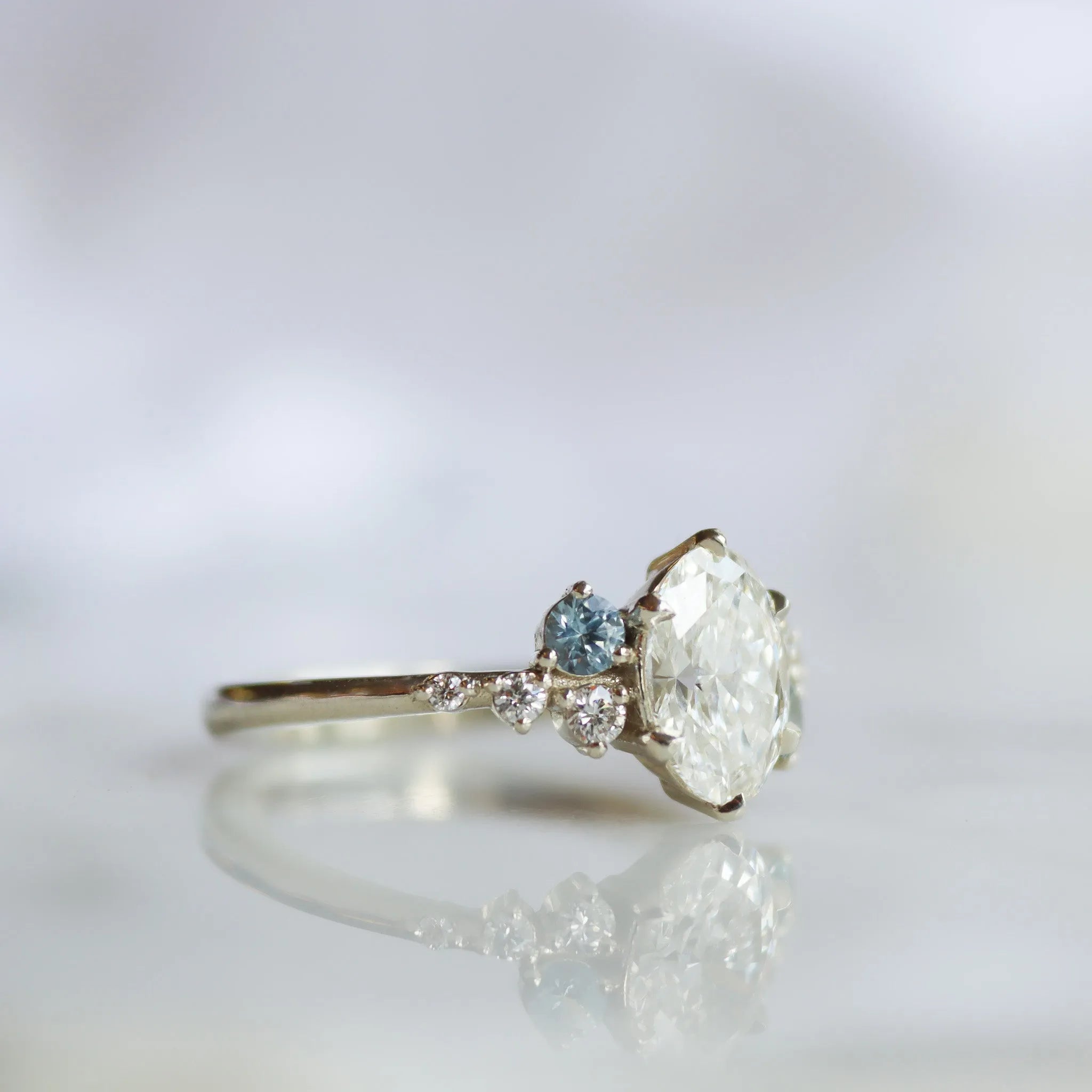
An engagement ring is more than a centre stone held by a metal band. It is a combination of carefully considered components, each contributing to its beauty, structure and everyday practicality.
Knowing the difference between the head, prongs, gallery, shoulders, shank, bridge, sizing bar and hallmark allows you to look beyond the surface and appreciate the craftsmanship behind the design.
Ultimately, the right engagement ring is not defined by one feature alone. It is the harmony between the gemstone, the setting and the small details that make the piece meaningful to the person who wears it.
Looking for an engagement ring that reflects your own story? Explore Mangrove Diamonds and speak with our team about creating a piece designed around your preferences.